
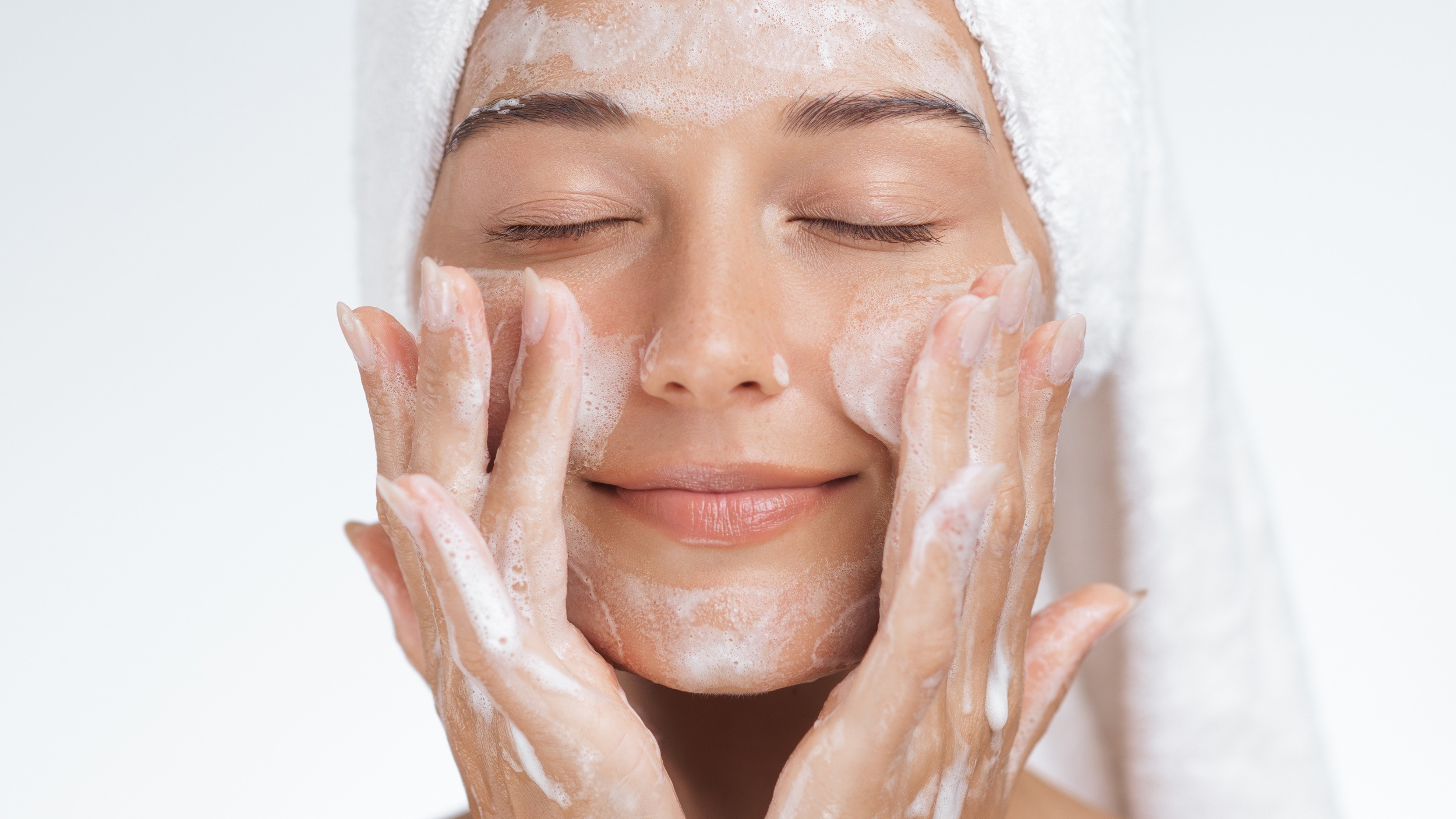
Skin texture has a way of reflecting past experiences. Acne, in particular, can leave behind marks that linger long after breakouts have settled. For many people, these scars are not dramatic at first glance, yet they subtly affect how light reflects on the skin, how makeup sits, and sometimes how confident a person feels. While some scars soften over time, others remain more visible, leading to questions about whether improvement is actually possible without harsh or overly aggressive measures.
In aesthetic clinics, conversations around scar treatment often start with hesitation. People worry about downtime, discomfort, or results that look unnatural. At the same time, there is a growing understanding that modern treatments are no longer limited to one rigid approach. Instead, care has shifted toward refining skin gradually, allowing texture to improve in stages rather than all at once. This mindset helps set expectations that feel more realistic and, for many, less intimidating.
Understanding How Professional Scar Care Works
During consultations, acne scar treatment in Singapore is often mentioned partway through a discussion about texture changes rather than as a quick solution. This is because acne scars form in different ways. Some scars sit closer to the surface, while others extend deeper into the skin where collagen support has been disrupted. Each type behaves differently and responds to treatment at its own pace.
Professional scar care usually focuses on encouraging the skin to repair itself. Instead of filling or covering scars, treatments aim to stimulate collagen production and smooth uneven areas over time. In practice, this means results are often gradual. Improvements may appear uneven at first, which can feel discouraging, but this pattern is quite common as the skin remodels itself.
Another important factor is skin type and sensitivity. What works well for one person may cause irritation for another. Therefore, treatment plans are rarely identical, even when scars appear similar on the surface.
Types of Acne Scars and Why They Matter
Understanding scar types helps explain why certain treatments are recommended. Rolling scars tend to create gentle waves in the skin, often responding well to treatments that release underlying tension and boost collagen. Boxcar scars have sharper edges and may require more targeted approaches. Icepick scars are narrow and deep, sometimes making them more challenging to treat.
Most people do not have just one scar type. Mixed patterns are common, which adds complexity to treatment planning. In these cases, a combination of techniques may be considered, although not always at the same time. Staggering treatments allows the skin to recover and reduces the risk of irritation.
Common Advanced Treatments Used in Clinics
Microneedling and Collagen Stimulation
Microneedling is frequently used to improve texture by creating controlled micro-injuries in the skin. These tiny channels trigger a healing response, encouraging collagen and elastin production. Over time, this process may soften the appearance of scars. Results tend to build slowly, often over several sessions, and patience is usually required.
Energy-Based Treatments and Lasers
Laser and energy-based devices are sometimes used to address deeper scars or pigmentation left behind by acne. These treatments work by delivering energy into specific layers of the skin, promoting renewal. Settings are adjusted carefully to balance effectiveness and safety. Unfortunately, overly aggressive use can lead to inflammation, which may worsen scarring or pigmentation, so a conservative approach is often preferred.
Subcision and Targeted Techniques
For certain scars, especially those tethered to deeper tissue, subcision may be considered. This technique involves releasing fibrous bands beneath the skin, allowing the surface to lift gradually. It is often combined with other treatments to support smoother results. Recovery can vary, and mild swelling or bruising is sometimes expected.
Why Results Are Often Gradual Rather Than Immediate
One of the more challenging aspects of scar treatment is managing expectations. Unlike surface treatments that offer instant glow, scar treatments rely on biological processes that take time. Collagen remodeling can continue for months after a procedure, meaning improvements may appear slowly and unevenly.
In addition, skin responds differently depending on age, lifestyle, and healing capacity. Some people notice early changes, while others feel progress is subtle at first. This variability does not necessarily mean treatment is ineffective. In practice, it reflects how complex skin repair can be.
Consistency and follow-up play a significant role. Treatments spaced appropriately allow the skin to recover and respond more predictably over time.
Supporting Results With Daily Care
Professional treatments are only part of the process. Daily skincare habits influence how well results are maintained. Gentle cleansing, adequate hydration, and sun protection are often emphasized repeatedly, sometimes to the point of sounding redundant.
Sun exposure, even in small amounts, can interfere with healing and make scars appear more noticeable. In addition, harsh exfoliants or frequent product changes may irritate the skin, slowing progress. In many cases, simplifying routines rather than adding more products leads to better outcomes.
When to Seek Professional Help
- Acne scars remain visible despite consistent home care
- Skin texture affects confidence or comfort in social settings
- Previous treatments caused irritation or uneven results
- There is uncertainty about which scar type is present
- New breakouts continue to leave marks or indentations
A Measured Path Toward Smoother Skin
Advanced scar treatments are not about erasing every mark. Instead, they focus on refinement. By improving texture gradually, skin often appears healthier and more even, even if minor imperfections remain. This balanced approach tends to feel more sustainable, especially for those who value natural-looking results.
In many cases, the goal shifts from perfection to progress. Small improvements add up over time, and the skin may continue to change long after treatment sessions have ended. Accepting this slower pace often leads to greater satisfaction overall.
Commonly Asked Question
Can acne scars be completely removed?
Complete removal is not always possible. Many treatments aim to soften scars and improve texture rather than eliminate them entirely.
How long does it take to see results?
Some people notice changes within weeks, but more significant improvement often develops over several months as collagen rebuilds.
Are advanced scar treatments painful?
Discomfort varies depending on the procedure. Numbing methods are often used, and most sensations are temporary.
Do scars return after treatment?
Once a scar improves, it does not usually return in the same form. However, new acne can create new scars if breakouts continue.
Is downtime required after treatment?
Downtime depends on the treatment type. Some procedures allow quick return to daily activities, while others involve short recovery periods.
Next Steps
If acne scars have been a long-standing concern, a consultation at an aesthetic clinic may help clarify which advanced options are appropriate for your skin. A personalized plan, combined with consistent home care and realistic expectations, should make it possible to work toward smoother, more even skin over time without rushing the process.