
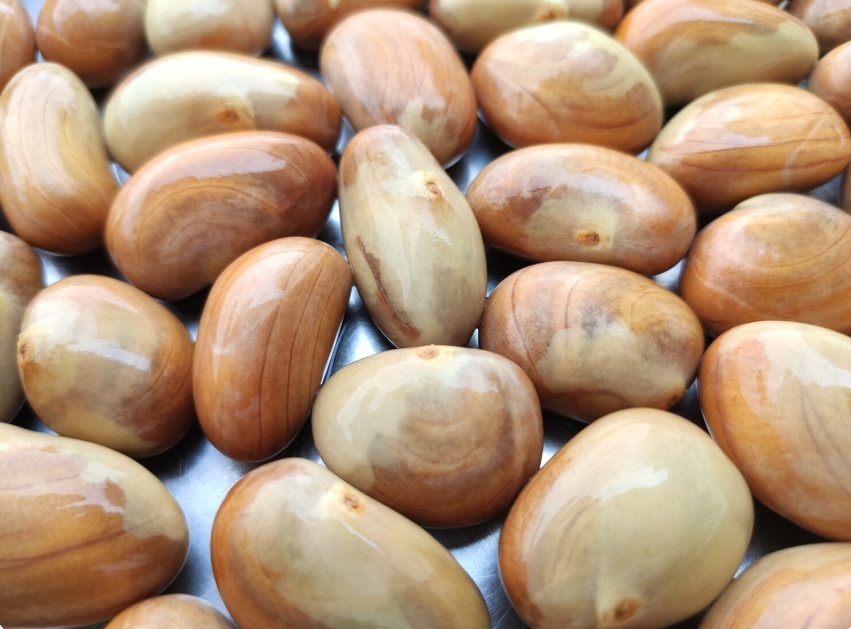
Jackfruit is known for its sweet, tropical flavor, but the seeds inside this fruit are often overlooked. Packed with nutrients, jackfruit seeds offer impressive health advantages that can support digestion, heart function, immunity, and more. Understanding the benefits of jackfruit seeds can help you add this nutritious ingredient to your diet in simple and tasty ways.
From providing fiber and protein to supplying essential minerals like iron and potassium, these seeds can be a natural way to enhance your overall health. This article will guide you through their nutritional value, uses, potential side effects, and practical ways to include them in your daily meals.
What Are Jackfruit Seeds?
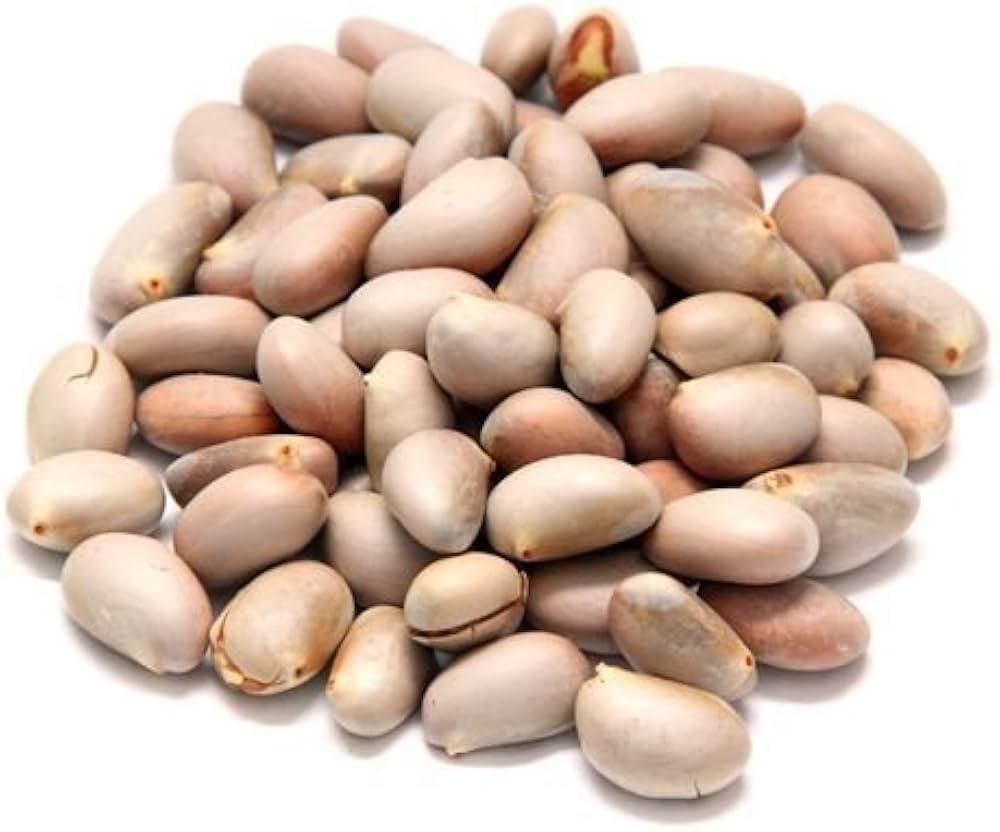
Jackfruit seeds are large, oval seeds hidden inside the fruit’s bulbs. They have a firm outer layer and a starchy interior. Typically white or light brown, these seeds become soft and edible after boiling or roasting. Some people even grind them into jackfruit seed flour, which can be used for baking or cooking.
Nutritionally, jackfruit seeds are a powerhouse. They contain protein, dietary fiber, potassium, iron, and magnesium, along with B-vitamins like B1 and B2, which help your body generate energy. This combination makes them a valuable addition to a balanced diet.
8 Health Benefits of Jackfruit Seeds
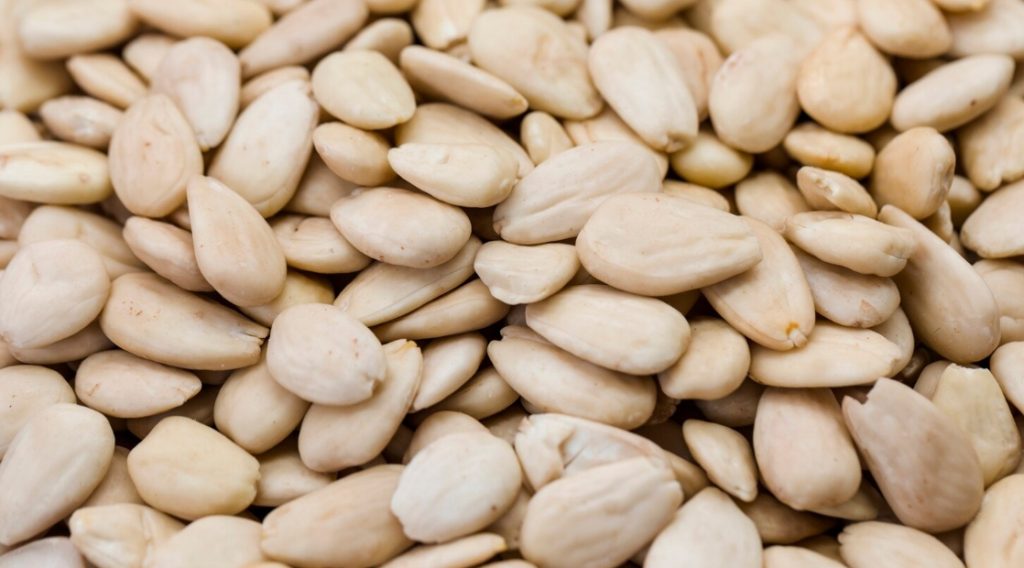
Adding jackfruit seeds to your meals regularly can make a noticeable difference in your energy and overall well-being. Their combination of nutrients makes them a natural way to support multiple aspects of your health.
1. Rich in Essential Nutrients
One of the most significant benefits of jackfruit seeds is their nutrient content. They provide protein, which helps maintain muscle and repair tissues, and fiber, which supports healthy digestion. Minerals like potassium and iron play important roles in heart function and energy levels, while B-vitamins help convert food into energy efficiently.
Including jackfruit seeds in your diet allows you to get these nutrients naturally without relying on supplements.
2. Supports Digestive Health
The high fiber content in jackfruit seeds promotes smooth digestion and helps prevent constipation. Fiber also nourishes beneficial gut bacteria, contributing to overall gut health. Eating boiled or roasted seeds regularly can support digestion, reduce bloating, and promote regular bowel movements.
Adding jackfruit seeds to soups, stews, or even lightly seasoned snacks is a simple way to increase your fiber intake.
3. Helps Maintain Heart Health
Jackfruit seeds contain potassium, which helps regulate blood pressure and maintain healthy cardiovascular function. The fiber in the seeds can also reduce LDL cholesterol levels, supporting heart health. Consuming these seeds in moderation can help you care for your heart naturally, alongside a balanced diet.
4. Aids in Weight Management
High in both protein and fiber, jackfruit seeds help you feel full for longer, making them a natural aid for weight control. Including them as snacks or in meals can reduce unnecessary eating and support healthy portion control. Roasted seeds or jackfruit seed flour in pancakes or bread can be a filling, nutritious alternative to calorie-dense snacks.
5. Packed With Antioxidants
Jackfruit seeds are rich in antioxidants, such as flavonoids and phenolic compounds, which help fight oxidative stress. Regularly consuming these seeds may reduce the risk of cell damage and support overall wellness. Antioxidants also play a role in maintaining healthy skin, hair, and overall vitality.
6. Supports Immunity
The combination of vitamin C and essential minerals in jackfruit seeds can help support your immune system. Including these seeds in your diet regularly can aid your body’s natural defenses, making it easier to fight infections and maintain optimal health.
7. Promotes Healthy Skin and Hair
The nutrients and antioxidants in jackfruit seeds can enhance skin and hair health. Vitamin A, iron, and protein help maintain skin elasticity, support hair growth, and reduce oxidative stress that can affect both hair and skin. Boiled or roasted seeds are an easy dietary way to include these benefits.
8. Helps Reduce Risk of Anemia
Jackfruit seeds are a good source of iron, which is essential for hemoglobin production and maintaining healthy red blood cells. Regular consumption of cooked seeds can help prevent anemia, improve energy levels, and reduce fatigue.
Uses of Jackfruit Seeds
Jackfruit seeds are versatile and can be used in many ways:
- Boiled or Roasted Snacks: Simply boil or roast the seeds and sprinkle with a little salt or spices.
- Soups and Curries: Add boiled seeds to soups, stews, or curries for extra nutrition.
- Jackfruit Seed Flour: Grind seeds into flour to make pancakes, bread, or even savory dishes.
- Salads and Stir-fries: Boiled seeds can be chopped and added to salads or stir-fried with vegetables.
These practical uses make it easy to include jackfruit seeds in your daily diet and enjoy their health benefits.
Side Effects of Jackfruit Seeds
While generally safe, jackfruit seeds can have some side effects if not consumed properly:
- Digestive Discomfort: Eating too many seeds can cause bloating, gas, or mild stomach upset due to their fiber and starch content.
- Allergic Reactions: Some people may be allergic to jackfruit seeds, causing itching, swelling, or digestive issues.
- Potassium Concerns: The high potassium content may interfere with certain medications for blood pressure or kidney conditions.
To avoid side effects, start with small portions, cook the seeds properly, and consult a doctor if you have existing health concerns.
How to Safely Eat Jackfruit Seeds
Jackfruit seeds should never be eaten raw due to antinutrients that can affect digestion. Boiling or roasting neutralizes these compounds, making the seeds safe and easy to digest.
Some tips for safe consumption:
- Boil seeds for 20–30 minutes until soft.
- Roast seeds lightly for a crunchy snack.
- Use jackfruit seed flour in baking or cooking.
- Start with small portions and gradually increase as your body adjusts.
Including cooked seeds regularly in soups, salads, or as snacks allows you to enjoy the health benefits of jackfruit seeds safely.
Wrapping Up
Including jackfruit seeds in your diet is a simple way to enjoy multiple health benefits of jackfruit seeds. From supporting digestion, heart health, and immunity to improving skin, hair, and energy levels, these seeds are a nutritious and versatile addition to your meals.
Whether you enjoy them boiled, roasted, or as flour in recipes, these seeds can enhance your diet naturally. Remember to eat them in moderation and consider any allergies or health conditions. Next time you cut into a jackfruit, don’t discard the seeds—use them to add nutrition, flavor, and wellness to your meals.
Frequently Asked Questions (FAQs)
Q1: Can children eat jackfruit seeds?
Yes, children can enjoy jackfruit seeds, but they should always be cooked first. Boiled or roasted seeds are easier to digest and safe for young kids. Start with small portions to ensure they tolerate them well.
Q2: How many jackfruit seeds should I eat per day?
A handful of seeds per day is generally sufficient to enjoy the benefits of jackfruit seeds. Eating too many at once may cause digestive discomfort due to their high fiber and starch content.
Q3: Do jackfruit seeds help with anemia?
Yes, jackfruit seeds are rich in iron, which supports haemoglobin production and helps prevent anaemia. Pairing them with vitamin C-rich foods can enhance iron absorption.
Q4: Can jackfruit seeds improve skin and hair?
Yes, the vitamins, protein, and antioxidants in jackfruit seeds support healthier skin and hair. Regular consumption may help maintain a natural glow, strengthen hair, and reduce oxidative stress.
Q5: Are jackfruit seeds good for weight management?
Yes, their combination of fiber and protein helps you feel full, reducing unnecessary snacking and supporting healthy portion control. Roasted seeds or jackfruit seed flour can be included in meals as a nutritious alternative to high-calorie snacks.