
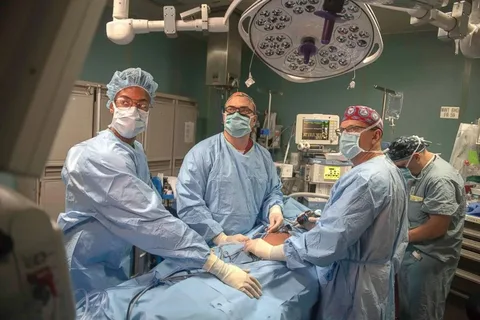
What Is a Hernia?
A hernia occurs when an organ or tissue pushes through a weak spot in the surrounding muscle or connective tissue. Hernias can develop in various areas of the body, but the most common types include inguinal hernias (groin), femoral hernias (upper thigh), umbilical hernias (belly button), and hiatal hernias (upper stomach area).
Hernias rarely heal on their own, and without treatment, they can lead to complications such as incarceration (trapped tissue) or strangulation (restricted blood flow). Surgery is typically the definitive solution for most hernia cases.
Symptoms of a Hernia
Hernia symptoms vary depending on the type and severity but commonly include:
- A visible bulge or lump near the affected area
- Pain or discomfort, especially when coughing, lifting, or bending
- A heavy or dragging sensation in the groin or abdomen
- Nausea, vomiting, or severe pain if the hernia becomes strangulated
Early detection and treatment are crucial to prevent complications and improve surgical outcomes.
Types of Hernia Surgery
Hernia surgery repairs the weakened area and prevents the protrusion of tissue. The main surgical approaches include:
Open Hernia Repair
Open repair involves making a single incision near the hernia site. The surgeon pushes the protruding tissue back into place and reinforces the muscle wall with sutures or surgical mesh. Open repair is often used for larger or more complicated hernias.
Laparoscopic Hernia Repair
Laparoscopic surgery is a minimally invasive option that uses small incisions, a camera, and specialized instruments. The hernia is repaired from inside the abdominal cavity, and mesh is often placed to strengthen the area. This approach generally results in less pain, faster recovery, and smaller scars.
Robotic Hernia Surgery
Robotic-assisted surgery is an advanced minimally invasive technique that enhances precision and control. Surgeons operate via a console, making it particularly useful for recurrent or complex hernias.
Preparing for Hernia Surgery
Preparation is key for a smooth surgical experience and recovery. Patients should:
- Discuss medical history and medications with their surgeon
- Avoid smoking to promote better healing
- Arrange for post-operative help at home
- Follow pre-surgery fasting or medication instructions
Patients who are considering weight-loss procedures, such as a gastric balloon procedure or gastric bypass surgery, should discuss any combined health concerns with their surgeon to ensure optimal safety during hernia repair.
Recovery After Hernia Surgery
Recovery time depends on the type of surgery performed:
- Open repair: Most patients resume light activities in 1–2 weeks and full activity within 4–6 weeks
- Laparoscopic/robotic repair: Return to normal activities often occurs within 1–2 weeks, with minimal post-operative discomfort
Post-operative care includes:
- Following the surgeon’s instructions for wound care
- Avoiding heavy lifting for several weeks
- Walking regularly to improve circulation and reduce the risk of blood clots
- Eating a high-fiber diet to prevent constipation and straining
Potential Risks and Complications
While hernia surgery is generally safe, some risks include:
- Infection at the incision site
- Bleeding or hematoma formation
- Recurrence of the hernia
- Chronic pain or nerve irritation
Choosing an experienced surgeon and following post-operative instructions carefully are critical for minimizing complications.
When to Seek Immediate Medical Help
Seek urgent medical attention if you experience:
- Severe pain at the hernia site
- A hard or irreducible bulge
- Nausea, vomiting, or fever
- Redness, swelling, or discharge from the incision
Prompt intervention can prevent serious complications and improve surgical outcomes.
Long-Term Outcomes and Prevention
After surgery, patients can reduce the risk of recurrence by:
- Maintaining a healthy weight
- Strengthening core muscles through gentle exercise
- Avoiding heavy lifting or straining
- Managing chronic cough, constipation, or other conditions that increase abdominal pressure
Hernia repair generally offers excellent long-term results, especially when performed at experienced surgical centers.
Conclusion
Hernia surgery, whether open or minimally invasive, is an effective solution for repairing weakened abdominal walls and preventing serious complications. Proper preparation, careful post-operative care, and lifestyle modifications can ensure a smooth recovery and long-term success.