
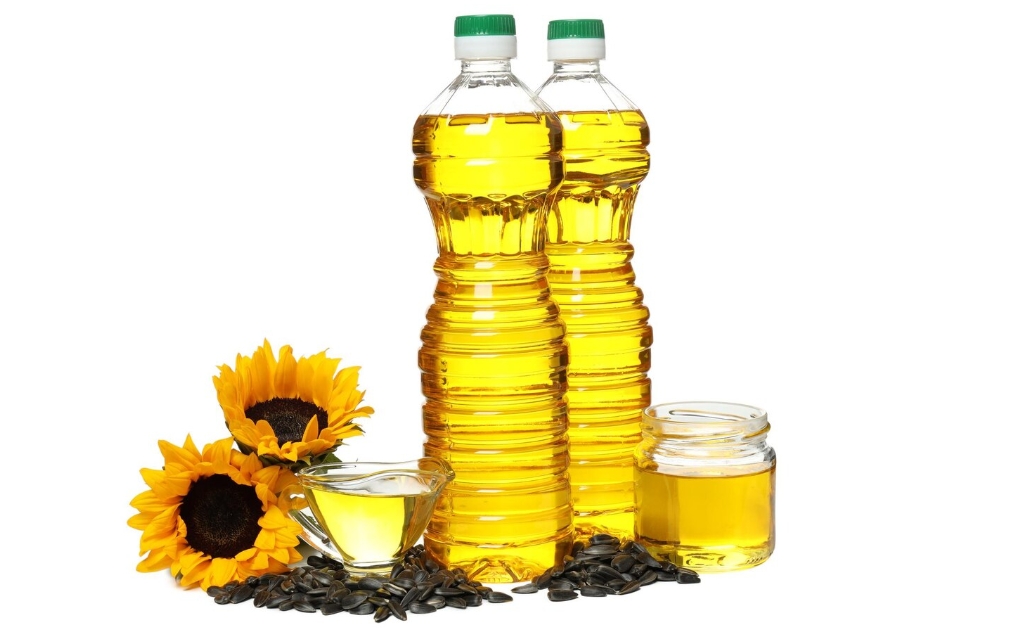
Many of you wonder, Is sunflower oil bad for you. This popular cooking oil is used in home kitchens and restaurants all over the world because of its light taste, smooth texture, and high smoke point. However, beyond its appealing flavor and versatility, there are important health considerations you should know, especially regarding your heart, stomach, and overall wellness.
By understanding both the benefits and the potential risks, you can make smarter choices about whether sunflower oil deserves a spot in your pantry and how to use it in a way that truly supports your health.
What Is Sunflower Oil?
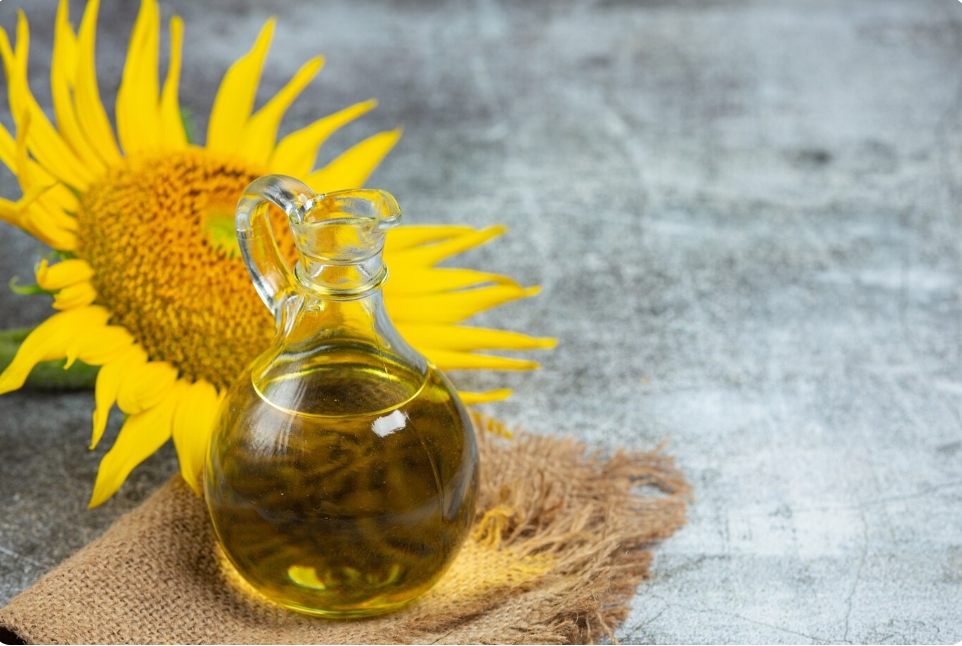
Sunflower oil is extracted from the seeds of the sunflower plant, scientifically known as Helianthus annuus. While it’s most recognized as a cooking oil, you’ll also find it in beauty products, processed snacks, and even in industrial applications.
Types of Sunflower Oil
There are several varieties of sunflower oil:
- High-oleic: Rich in monounsaturated fats, making it more stable and heart-friendly.
- Mid-oleic: A mix of monounsaturated and polyunsaturated fats.
- High-linoleic: High in polyunsaturated fats, especially omega-6 fatty acids.
These differences matter because the type of fat determines how the oil reacts to heat and how it affects your health. Sunflower oil is widely used for deep frying, stir-frying, baking, and salad dressings. Its neutral flavor makes it versatile, and its high smoke point makes it appealing to home cooks. Beyond the kitchen, it’s used in creams, lotions, and hair oils for its moisturizing properties, thanks to its high vitamin E content.
Is Sunflower Oil Bad for Your Stomach?
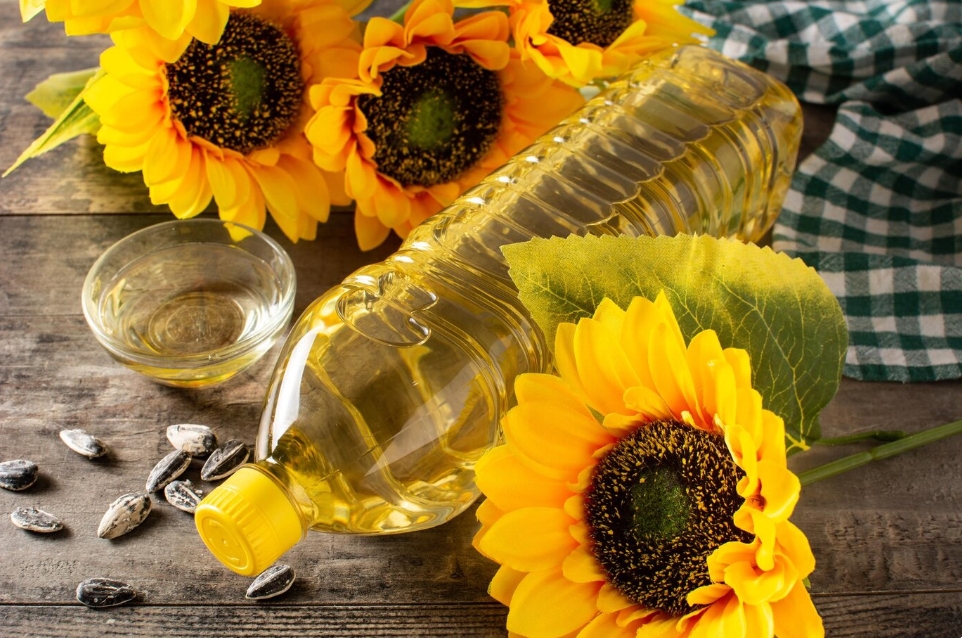
For most people, sunflower oil is safe for the stomach when consumed in moderation. It’s easy to digest and doesn’t usually cause issues when used in home cooking. However, using large amounts, especially in fried foods, can sometimes lead to bloating or discomfort.
Refined sunflower oil can irritate sensitive stomachs because it lacks natural antioxidants and might contain residues from chemical processing. If you have digestive problems, it’s better to choose unrefined, cold-pressed sunflower oil and avoid heavy, greasy dishes.
Is Sunflower Oil Bad for Your Heart?
The impact of sunflower oil on heart health depends on the type and how it’s used. High-oleic sunflower oil is considered heart-friendly because it’s rich in monounsaturated fats, which can help lower LDL cholesterol when replacing saturated fats.
However, traditional sunflower oil high in omega-6 may promote inflammation if your overall diet is already rich in processed foods. Chronic inflammation is a known risk factor for heart disease.
Using sunflower oil occasionally and balancing it with omega-3 sources can support your heart instead of harming it.
Is Sunflower Oil Bad for Your Skin?
When applied topically, sunflower oil is generally good for your skin. It’s often used in creams and lotions because it helps lock in moisture and provides vitamin E, which supports skin repair.
But when it comes to eating sunflower oil, excessive intake of omega-6 fatty acids may potentially worsen inflammatory skin conditions like acne or eczema in some people. This effect usually depends on your overall diet and how much omega-3 you consume.
If you’re dealing with skin issues, paying attention to your fat intake balance might help keep inflammation and breakouts under control.
What Is Unhealthy About Sunflower Oil?
Even though it has some advantages, sunflower oil isn’t perfect. The main issue with sunflower oil is its high omega-6 content and instability when used at high heat. When repeatedly heated, it forms compounds that may harm cells. Let’s read below to find what’s unhealthy about sunflower oil:
-
High in Omega-6 Fatty Acids
Traditional sunflower oil is loaded with omega-6 fatty acids. While these are necessary in small amounts, excess omega-6 compared to omega-3 can lead to inflammation, a possible contributor to heart disease and joint problems.
-
Oxidative Instability and Harmful Compounds
When heated at high temperatures, sunflower oil can break down and release harmful substances like aldehydes. These compounds may damage cells and are linked to chronic illnesses when consumed often.
-
Processing Methods
Refined sunflower oil undergoes heavy processing that often includes high heat and chemical solvents like hexane. This strips away natural antioxidants and may leave behind residues, reducing the oil’s health value.
-
Storage and Rancidity
Because it’s high in polyunsaturated fats, sunflower oil can spoil easily if exposed to light or heat. Rancid oil doesn’t just taste off it also introduces harmful free radicals into the body.
Benefits of Sunflower Oil
Sunflower oil can offer several benefits when used correctly and in moderation.
-
Heart-Healthy Fats and Vitamin E
High-oleic sunflower oil is a good source of monounsaturated fats, which may help lower bad cholesterol (LDL) levels when replacing saturated fats like butter. Additionally, sunflower oil is rich in vitamin E, a strong antioxidant that protects your cells and supports skin health.
-
Supports Skin and Hair
Many people use sunflower oil to hydrate dry skin and tame frizzy hair. Vitamin E helps strengthen skin barriers, and the oil’s lightweight texture makes it ideal for massages and serums.
-
Possible Cholesterol Improvement
When sunflower oil is used to replace solid fats, it may contribute to better cholesterol levels. This works best when combined with a diet that includes whole grains, vegetables, and omega-3-rich foods.
How to Use Sunflower Oil Safely
If you plan to keep sunflower oil in your kitchen, it’s important to use it wisely.
- Choose high-oleic or cold-pressed options for more stability and better nutritional value.
- Avoid using it for deep frying. Instead, use it for salad dressings or light sautéing.
- Store it in a cool, dark place to prevent oxidation.
- Balance your diet with omega-3-rich foods to offset high omega-6 intake.
Alternatives to Sunflower Oil
If you’re still unsure about is sunflower oil bad for you, consider these options:
- Extra-virgin olive oil: High in monounsaturated fats and antioxidants, great for salads and low-heat cooking.
- Avocado oil: Offers a high smoke point and a mild taste, perfect for frying or grilling.
- Coconut oil: Stable for baking but should be used moderately due to higher saturated fat content.
- Flaxseed or walnut oil: Best used raw in dressings for extra omega-3 support.
Wrapping Up
To sum it up, is sunflower oil bad for you? It depends on the type you choose and how you use it. High-oleic sunflower oil can offer benefits when used wisely, but regular sunflower oil high in omega-6 should be consumed in moderation. Focus on balance, choose high-quality oils, and remember that no single oil will make or break your health alone. By making thoughtful choices, you can enjoy sunflower oil without worry and support a healthier lifestyle.
Frequently Asked Questions (FAQs)
Q1. Is sunflower oil safe for daily cooking?
Yes, it’s safe in moderation, especially if you use high-oleic or cold-pressed types. It shouldn’t be your only cooking oil to keep fat balance healthy.
Q2. Can sunflower oil cause digestive issues?
Some people may feel bloated or uncomfortable if they consume too much, especially from fried foods. Choosing unrefined oil and lighter cooking methods can help.
Q3. Is sunflower oil good for heart health?
High-oleic sunflower oil may help improve cholesterol when replacing saturated fats. However, it should still be used in moderation.
Q4. Can I use sunflower oil for high-heat frying?
High-oleic sunflower oil is better suited for high-heat cooking because it’s more stable. Regular sunflower oil is best used at lower temperatures.
Q5. Is sunflower oil safe for skin?
Yes, it’s often used to moisturize and protect skin when applied topically. Always use pure, cosmetic-grade oil for the best results.