

The common cold and sinus infections can make even the simplest tasks feel exhausting. One of the most commonly prescribed medicines for such symptoms is the Sinarest Tablet. Known for its quick relief, this tablet helps ease nasal congestion, headache, runny nose, sore throat, and mild fever. It works by targeting multiple symptoms at once, helping you breathe easier and feel better faster. Whether it’s seasonal allergies or a sudden bout of flu, understanding sinarest tablet uses, dosage, and precautions ensures you take it safely and effectively for faster recovery and long-term well-being.
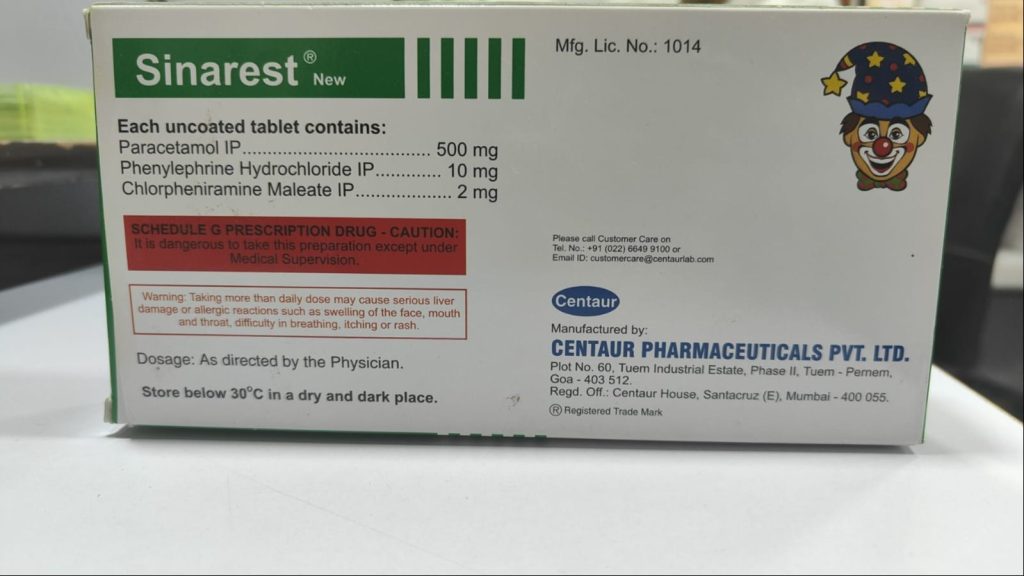
Sinarest Tablet Composition
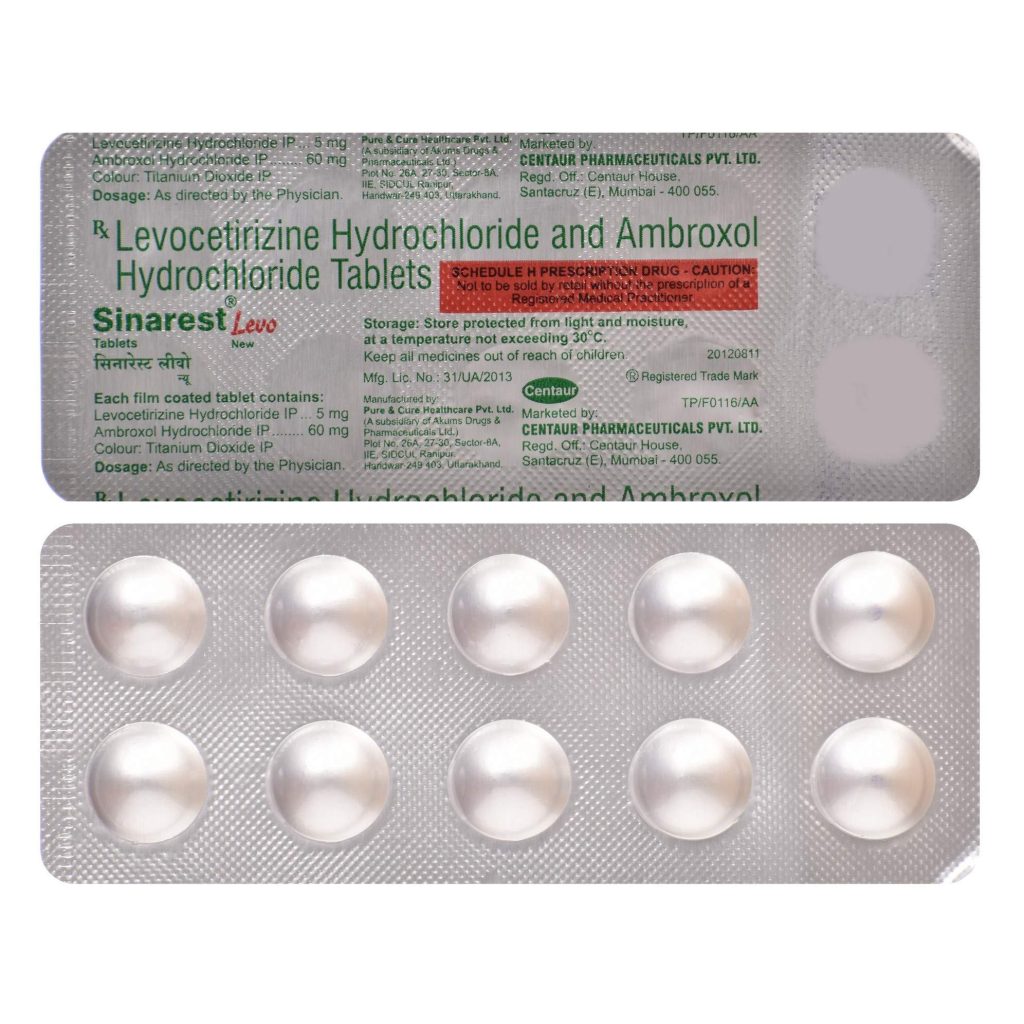
Here is what makes it work:
- Paracetamol (Acetaminophen) 500 mg – This is a pain reliever and fever reducer. It manages body aches, headaches, and the elevated temperature that often comes with a cold or flu.
- Phenylephrine Hydrochloride 10 mg – A nasal decongestant component. It shrinks the dilated blood vessels in the nasal passages and sinuses, helping to ease a blocked nose and sinus pressure.
- Chlorpheniramine Maleate 2 mg – An antihistamine. It battles allergic symptoms such as sneezing, itching, watery eyes, and a runny nose by inhibiting the action of histamine in your system.
These three work in tandem to provide cold relief, nasal congestion medicine, and allergy symptom relief. The idea is to reduce multiple symptoms with a single medicine rather than juggling separate pills. The combination is available under different brand versions (for example, “New” or “AF” versions) and is prescribed by doctors when more than one symptom is active.
Sinarest Tablet Uses
Sinarest Tablet is a widely used cold and allergy relief medicine that works on multiple symptoms at once. It helps reduce nasal blockage, headache, sneezing, and fever while improving breathing comfort.
Here are the main applications and why this medicine is used:
- Relief from common cold symptoms – When you have a runny or stuffy nose, sneezing, headache or mild fever, this tablet helps reduce the discomfort and brings relief so you can rest.
- Sinus congestion and sinusitis-related discomfort – If your sinuses feel blocked, you have sinus pain or pressure, this medicine helps clear the nasal passages and ease the sinus headache, making breathing easier.
- Allergic rhinitis and seasonal allergy symptoms – For allergies causing watery eyes, sneezing, itchy nose or throat, this tablet’s antihistamine part tackles those, while the decongestant helps with swelling of nasal tissues.
- Managing fever, body ache and headache during flu or cold – The paracetamol component helps reduce fever and relieve pain in the head, muscles or throat, which often accompany viral infections.
In summary, if you’re looking for a decongestant antihistamine combo, or a tablet that helps with sinus pain, headache, nasal blockage, fever and body ache, then understanding these uses can help you judge when it is appropriate.
Sinarest Tablet Dosage
Dosage always depends on your condition, age and medical background. Here are general guidelines:
- Adults: Usually, one tablet taken two to three times a day (after meals) with water. Your doctor will decide based on how severe your symptoms are and how you respond.
- Children: Should be given only under medical supervision. Many versions are not recommended below a certain age.
- Elderly: May need dose adjustment due to slower metabolism or other health conditions.
Important Dosage Tips:
- Take the tablet after food to reduce stomach irritation.
- Do not exceed the advised number of tablets or frequency, especially because the paracetamol component can affect your liver if overdosed.
- If you miss a dose, take it as soon as you remember, unless the next dose is near; then skip the missed one. Do not double up.
- If you feel worse or if there’s no improvement after 5-7 days, stop and consult your doctor. This tablet provides relief, but doesn’t necessarily treat the root infection or cause.
Sinarest Tablet Side Effects
Like most medicines, Sinarest Tablet can cause a few side effects. Most of them are mild and temporary, but knowing them helps ensure safe use.
Common side effects:
- Drowsiness or feeling sleepy
- Dry mouth or throat
- Mild nausea or upset stomach
- Headache or dizziness
- Restlessness or trouble sleeping
Serious side effects (rare):
- Yellowing of the skin or eyes, dark urine (possible liver issues)
- Rapid or irregular heartbeat, increased blood pressure
- Allergic reactions such as rash, swelling, or breathing difficulty
- Severe dizziness, fainting, or convulsions (need immediate medical care)
Precautions:
- Avoid alcohol it increases drowsiness and the risk of liver damage.
- Do not drive or operate machinery if you feel sleepy.
- People with liver, kidney, thyroid, heart, or eye conditions should take it only under medical advice.
Using Sinarest Tablet carefully helps minimise side effects while ensuring effective relief from cold, allergy, and sinus discomfort.
Sinarest Tablet Uses in Pregnancy
During pregnancy or if you are planning to conceive, you must be especially cautious about medicines. When it comes to “sinarest tablet uses” in pregnancy, the key information is:
- This tablet is not generally recommended in pregnancy unless your doctor explicitly prescribes it, because of limited safety data in pregnant women. Some ingredients, like phenylephrine (a decongestant), may affect blood flow and have potential impacts.
- If you have mild cold symptoms during pregnancy, safer alternatives such as saline nasal sprays, steam inhalation, and rest may be preferred.
- If the doctor decides the benefits outweigh any risks, they will monitor you and may adjust the dosage.
- If you are breastfeeding, you should also consult your doctor — parts of the medicine may pass into breast milk and cause drowsiness or other effects in the baby.
Thus, if you’re pregnant or nursing, always inform your healthcare provider before taking this tablet.
Precautions and Warnings
Before using the tablet, consider these precautionary points:
- Do not combine with other medications that contain paracetamol to avoid overdose risk.
- Avoid if you have severe high blood pressure, heart disease, severe liver or kidney disease, thyroid problems, glaucoma, or an enlarged prostate unless your doctor allows and monitors it.
- Do not exceed the recommended duration. This is for short-term relief, not long-term use.
- Tell your doctor all other medications you are taking, including OTC cold medicines, allergy pills, and herbal supplements, because interactions may occur.
- Be aware that this medicine might cause drowsiness; if you experience this significantly, avoid driving or tasks requiring alertness.
Avoid Mixing with These Medicines
Because it’s a combination medicine, interactions can occur. Some examples of meds to avoid or use with caution:
- MAO (Monoamine Oxidase) inhibitors and other antidepressants can lead to dangerous blood pressure rises when used with phenylephrine.
- Other antihistamines or decongestants combined may increase side effect risks such as sedation or increased heart rate.
- Other paracetamol-containing drugs combined may cause liver overload.
- Alcohol and sedative drugs both add to drowsiness and liver strain.
- Certain heart or blood pressure medicines, the decongestant, may interfere with cardiovascular function.
Always inform your doctor and pharmacist about all medications you take.
When to Consult a Doctor
While this medicine offers relief, there are situations when you should see your doctor:
- If your symptoms persist for more than 5 to 7 days or worsen rather than improve.
- If you develop a high fever, new symptoms like confusion or breathing difficulty, or if you suspect a bacterial infection requiring antibiotics.
- If you notice unusual side effects: yellow skin or eyes, dark urine, chest pain, rapid heartbeat, severe dizziness, or allergic reactions.
- If you’re pregnant, breastfeeding, or have chronic diseases like hypertension, diabetes, heart disease, liver/kidney condition and are taking other medications.
- In case of overdose or accidental excessive use, especially given the paracetamol component.
Timely doctor consultation ensures your condition is properly managed and prevents complications.
Frequently Asked Questions (FAQs)
Q1. What does Sinarest Tablet treat?
It is used for relief of symptoms such as runny or stuffy nose, sneezing, sinus pressure, watery eyes, headache, body ache, mild fever, essentially for cold, flu, sinus and allergic episodes.
Q2. Can I take it if I have high blood pressure?
You should be cautious or avoid it unless your doctor allows, because it contains a decongestant (phenylephrine) that may raise blood pressure.
Q3. Is it an antibiotic?
No. It is not an antibiotic. It does not kill bacteria; rather, it relieves the symptoms associated with cold, allergy or sinus disorders.
Q4. Does it make you sleepy?
Yes, the antihistamine part (chlorpheniramine) can cause drowsiness or dizziness. Avoid driving or using machinery if you feel this effect.
Q5. Can I drink alcohol while using it?
No. Alcohol increases the risk of liver toxicity (from paracetamol) and amplifies sedation. Best to avoid.
Wrapping Up
To summarise, Sinarest tablet uses centre on providing fast relief for multiple symptoms of cold, sinus congestion, allergy and mild flu-type episodes. With its blend of pain-reliever, decongestant and antihistamine, it offers multi-symptom support, but it must be used wisely. Adhering to the correct dosage, avoiding combining with other similar medicines, and paying attention to your health status are key to safe usage.
If you’re experiencing persistent or severe symptoms, or if you have underlying medical conditions (or are pregnant), always seek medical advice before using this tablet. With proper care and guidance, you can use it as a helpful tool in your short-term relief from cold, nasal congestion, allergy and sinus discomfort.
Disclaimer:
This content is for educational purposes only and is not a substitute for medical advice. Always consult your doctor before using or changing any medication, including Sinarest Tablet.