
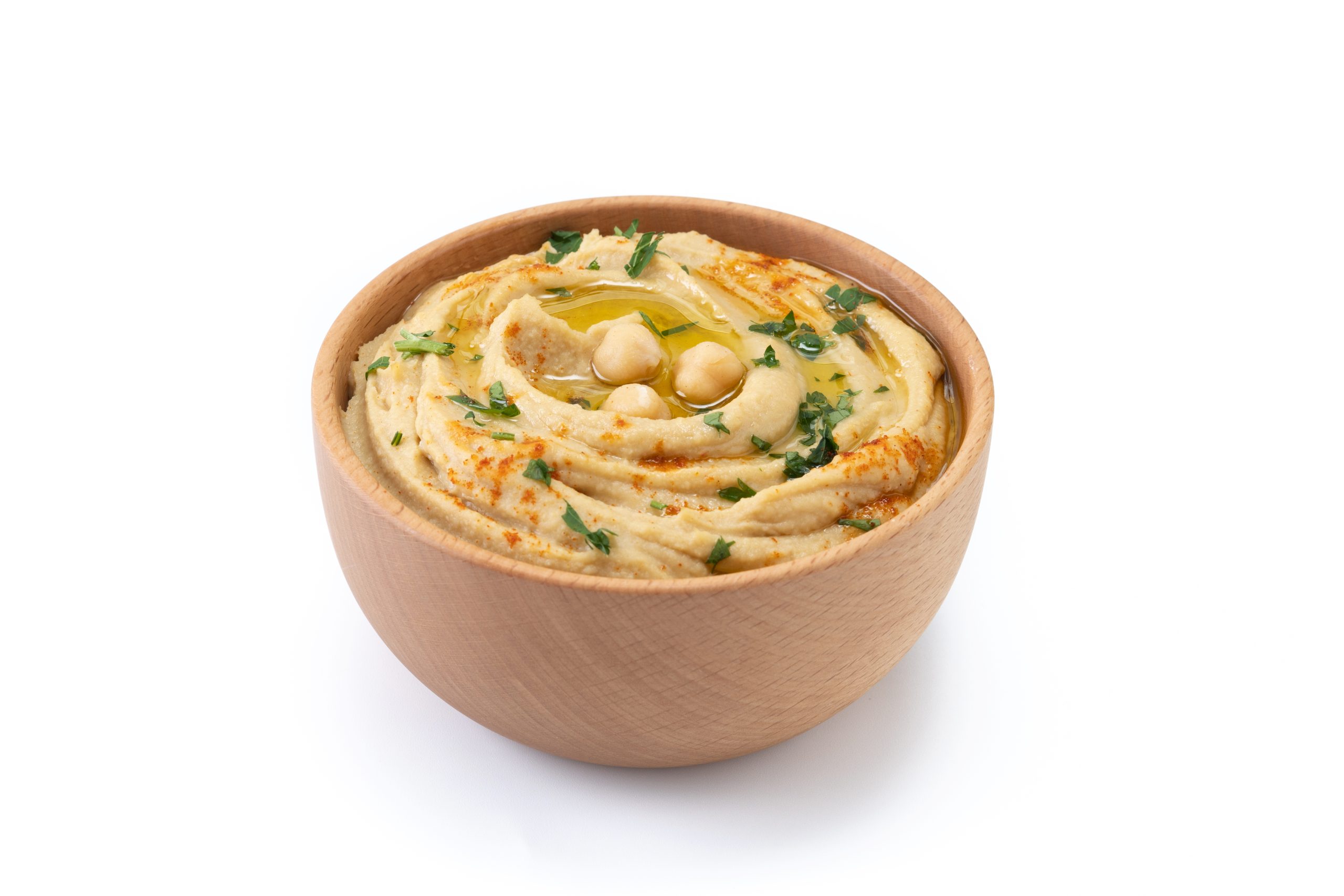
Tooth extraction is never pleasant. The patients come out with a dreadful feeling, whether we are talking about the extraction of a wisdom tooth, a molar, or any other tooth.So eating the right kind of soft foods, things gentle and rich in nutrition, constitute one of the major things in the healing process. Some may even recommend that nothing be done on that site that could cause pain or, at the very least, give it some more time to heal.
This guide lays down a basic list of 50 soft foods to eat after tooth extraction that are safe, nutritious, and easy to eat. No side stories, useless information, or unnecessary sinkers—merely ideas one can work on toward a comfortable recovery.
Why Only Soft Foods?
After the extraction, the area in the mouth is somewhat sensitive. The gums and other surrounding areas are still in the healing stages. Consuming hard and crunchy, or chewy and spicy things might bring in some discomfort and aching or could cause bleeding and infection, dislodgement of the blood clot, and hence dry socket.
Soft foods, on the other hand, prevent any such complications from happening. They are easy to chew, swallow, and digest, something that really ought to be the case after surgery.
General Food Tips Post-Extraction
Before going further into the list of 50 soft foods to eat after tooth extraction, here are a few things to keep in mind:
- Avoid using straws
- Avoid consuming hot foods; keep them at room temperature or go for cold food.
- If possible, chew from the opposite side of the extraction.
- Rinse gently with warm salt water after eating (again after the first 24 hours)
- Keep yourself hydrated; drink slowly.
50 Soft Foods for Easy Eating
Here’s the list of 50 soft foods to eat after tooth extraction, broken down into categories for easier planning:
1. Dairy Products and Protein Options
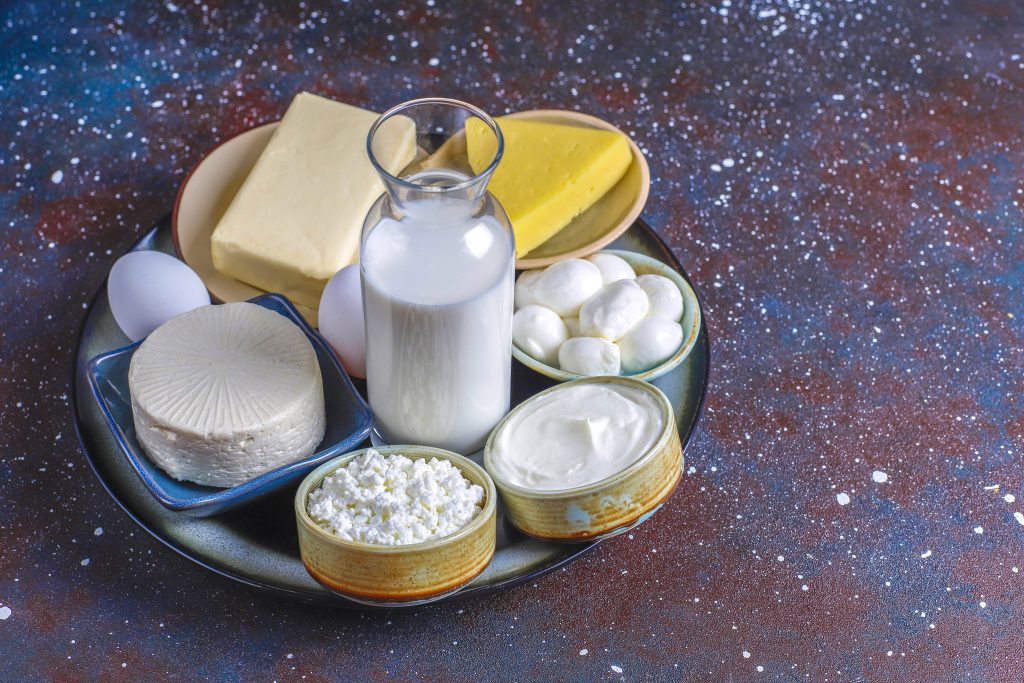
Highly proteinaceous, soft, and nurturing foodstuffs aid in tissue repair.
- Greek Yoghurt- It’s Smooth and full of Protein.
- Cottage Cheese- It is Mild and Easy to Take Into the Mouth
- Ricotta Cheese- It is Pleasantly Creamy and Light
- Plain Soft Cheese (e.g., Cream Cheese)- It is spreadable and easy to eat
- Scrambled Egg- It is smooth, fluffy, and easy to chew
- Soft-Boiled Eggs- It is runny and smooth
- Mashed Tofu- It is gentle and high in Protein
- Protein Shake (without using a straw)
- Paneer Bhurji (Soft)- If Seasoned Lightly
- Steamed Fish (Like Basa or Sole)
2.Vegetable-Based Foods
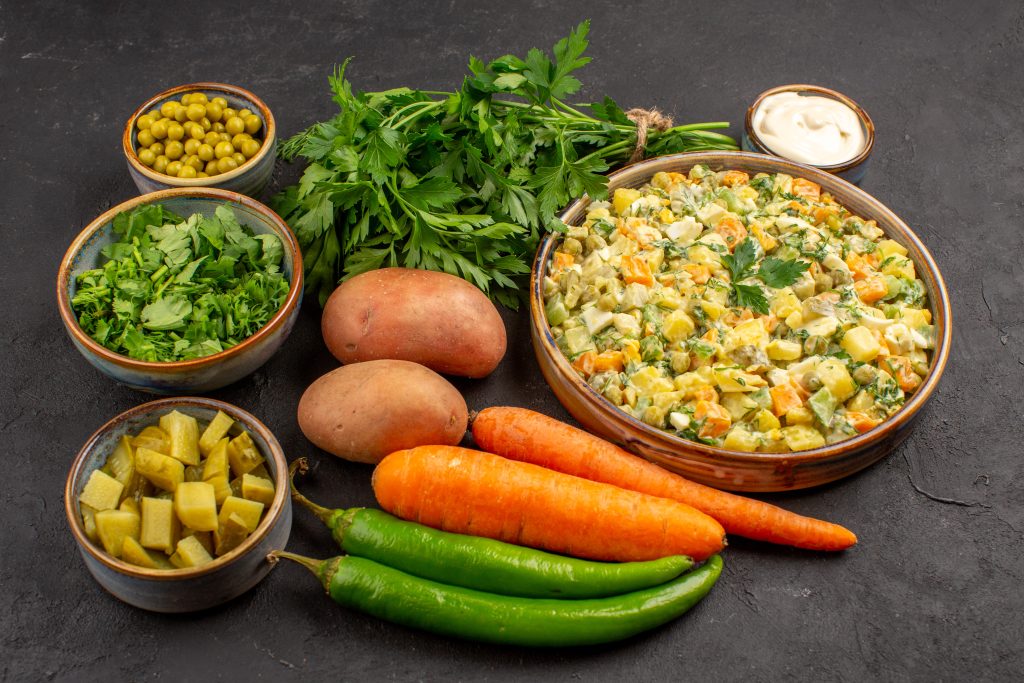
Steam or boil vegetables till they’re soft. Nothing spicy, and avoid anything rough in texture.
- Mashed potatoes.
- Carrots boiled and mashed.
- Pumpkin-applesauce.
- Boiled or steamed bottle gourd.
- Spinach steamed, finely chopped.
- Sweet potatoes mashed.
- Beetroot boiled and mashed.
- Mashed zucchini.
- Creamed corn.
- Avocado, mashed or sliced.
3. Food from fruit
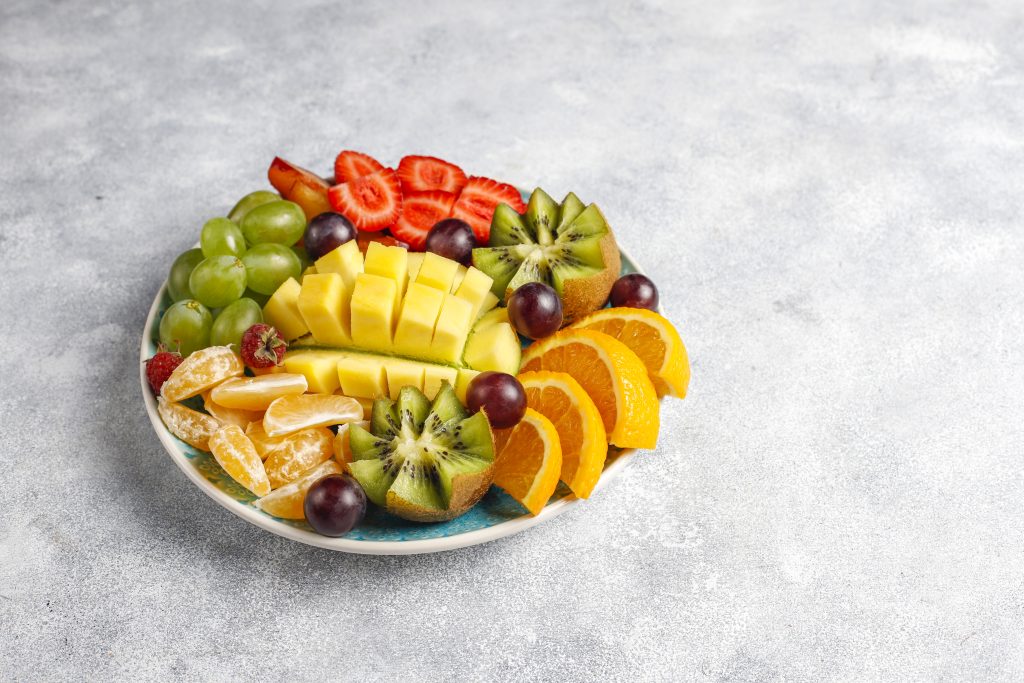
Stick to soft fruits or purees. Avoid citrus for a couple of days to avoid a stinging sensation.
- Bananas (mashed or sliced)
- Applesauce
- Stewed pears or apples
- Mango pulp
- Papaya
- Ripe kiwi (scooped)
- Chikoo/sapota (mashed)
- Watermelon (seedless, very small cuts)
- Muskmelon/cantaloupe (very ripe)
- Fruit smoothies (no seeds and no straws)
4. Grain-Based and Starch-Providing Foods
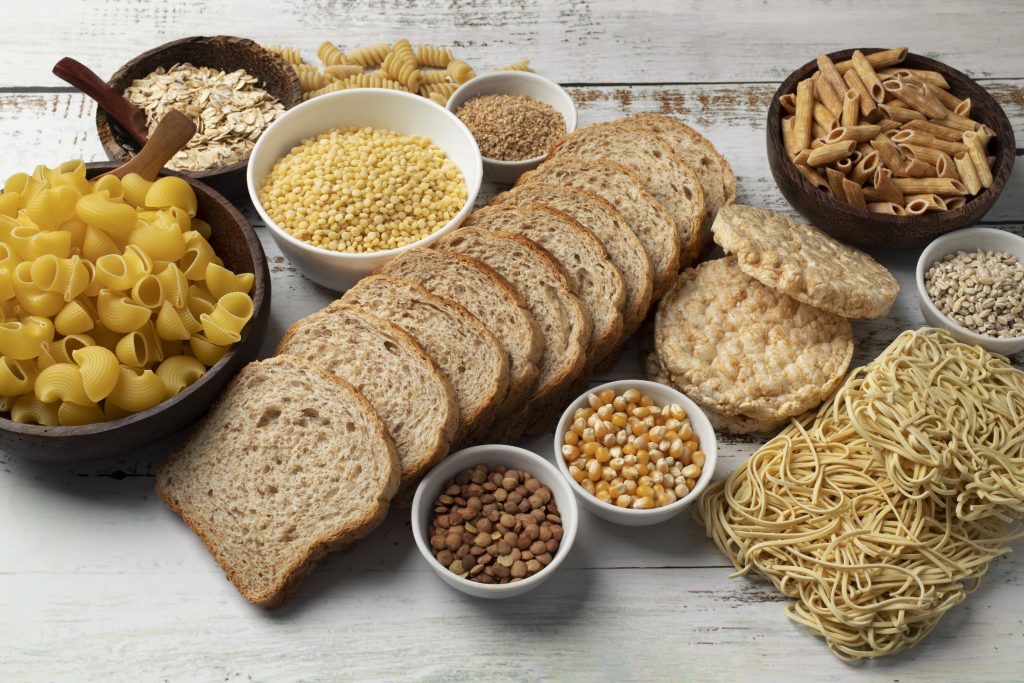
They provide carbohydrates for energy. They should, however, be soft and non-sticky:
- Oats with milk
- Semolina porridge (suji/sheera)
- Rice
- Khichdi
- Dalia
- Idli
- Upma
- Soft pasta
- White bread
- Rice noodles
5. Soups & Broths
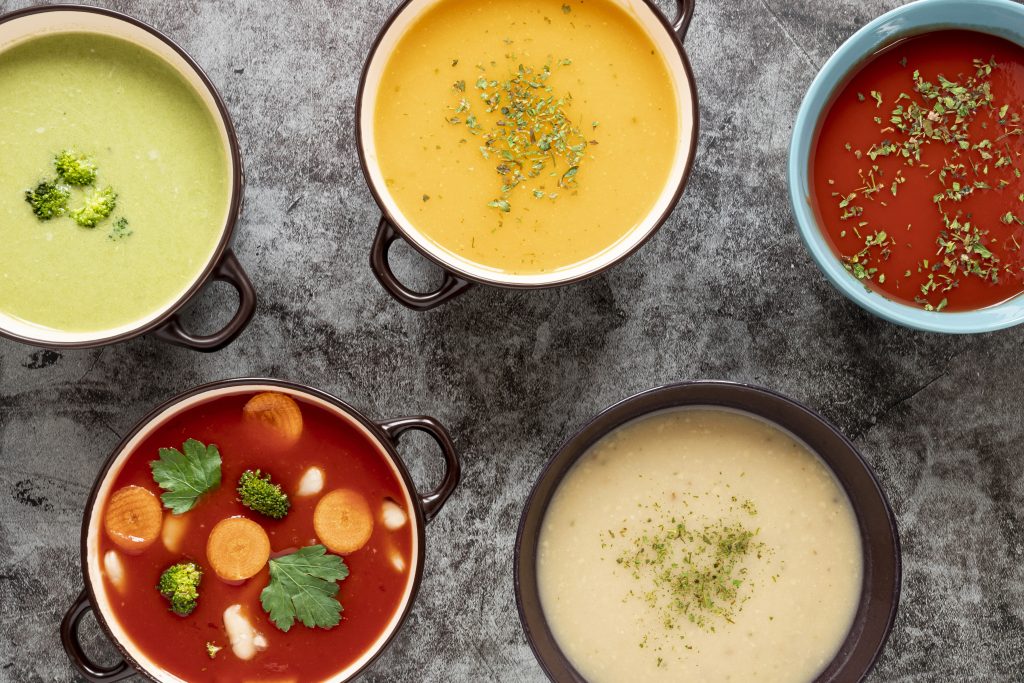
These hydrate, nourish, and soothe your mouth:
- Tomato soup
- Lentil soup
- Vegetable broth
- Pumpkin soup
- Carrot soup
- Chicken soup
- Beetroot soup
- Clear corn soup
- Spinach soup
- Khichdi water (liquid from overcooked khichdi)
How to Make Soft Foods Taste Better
A soft food diet can quickly become very dull; the textures are repetitive, and the flavours are somewhat monotonous. You can surely make the flavours more interesting while still adhering to a useful diet. Some very mild seasoning may be considered: a pinch of salt, cumin, turmeric, or very fresh herbs like coriander or basil. Stay away from chilli, vinegar, or anything too tangy for at least the first few days. Putting a little bit of ghee or olive oil will add to the flavour with a touch of nourishment. Experiment with pureeing cooked vegetables with low-sodium broth or mashing fruits with a little cinnamon or honey.
One Will Always Stay Full Without Overeating
With these 50 soft foods to eat after tooth extraction, soft foods being mostly less fibre and requiring less time for chewing, you feel bouts of hunger. To prevent overeating or frequent snacking, concentrate on balanced portions. All meals must be carbohydrates combined with proteins and good fats, such as oats with milk and peanut butter or dal with rice and ghee. Drink water in between meals that feels satisfying but is not an overburden for one’s stomach. Pace yourself while eating and enjoying your food, as it helps the body release accurate signals for fullness. Small and frequent meal portions are best when the appetite is thin.
When to Introduce Solid Food?
Considering the prescribed diet along with the gum healing outline, after 7 or 10 days, when you begin to experience no pain and find that the place is better rather than being swollen and red with active bleeding, you may already be transitioning to solids. Begin with semi-soft foods such as overcooked rice, well-steamed vegetables, soft roti dipped into dal, or soft fruits. Always chew very slowly on the opposite side of the extraction site. Crunchy or hard foods must be kept under heavy import until given the go-ahead by your dentist. If you feel discomfort or pressure, stop immediately and stay on soft foods for a few more days.
Signs to Watch Out for in Recovery:
Soft foods contribute to healing, but they cannot outright prevent some complications. Monitor how your mouth feels in this regard. Thorough and the onset of throbbing pain or foul taste and smell accompanying your mouth might be an indication of infection or dry socket; if pus formation is visible, that is; thus, immediate contact with your dentist is required. Bleeding is not considered ordinary after 48 hours. Stick to the oral hygiene instructions that have been given to you, which usually entail gentle rinsing for one day, no brushing near the wound, and no vigorous swishing. Then, in conjunction with your food choices, bones are healing through rest, hydration, follow-up care, and patient cooperation.
Conclusion
These 50 soft foods to eat after tooth extraction are considered much easier choices for meals used during healing. A proper food choice will keep the wound safe, lessen the pain, and supply nutrients for tissue growth.
Take rest and listen to what your body says. Everything should be set at its own pace, or else there could be a hang-up. And remember, this also shall pass. Take care, and soon enough, you’ll be eating your favourites again.