
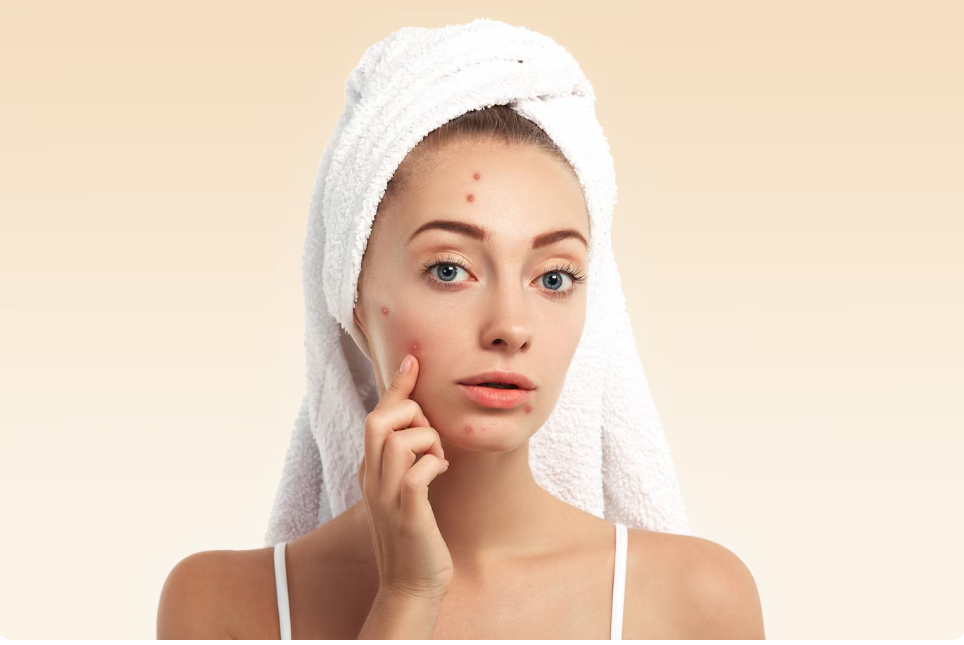
Acne is more than just a skin issue it affects your confidence, mood, and even how you feel in public. Whether you’re a teenager or an adult, breakouts don’t discriminate. The good news is that with the right habits, products, and consistency, you can see real improvement. In this article, we’ll go through 10 tips para mawala ang pimples, all based on skin science and lifestyle patterns that actually work.
Forget about overnight miracles or harsh remedies. Instead, let’s focus on tried-and-tested steps that will support healthier skin day by day.
1. Maintain Consistent Facial Hygiene
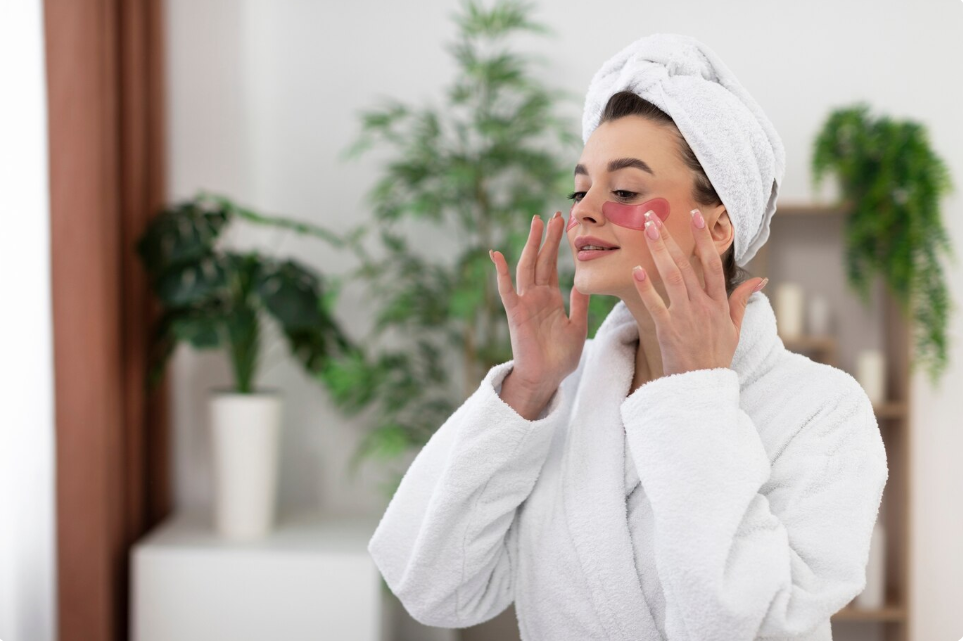
One of the most important things you can do for your skin is to keep it clean. That doesn’t mean scrubbing hard or washing five times a day. Twice is enough—once in the morning and once before bed.
Use a gentle, pH-balanced cleanser that removes excess oil, dirt, and sweat without stripping your skin. A common mistake people make is thinking the more you wash, the faster the pimples go away. But overwashing can irritate your skin and increase oil production, making it worse.
Always remove your makeup before going to sleep. Even non-oily makeup can clog pores if left overnight. Consider using micellar water or a gentle oil cleanser to get every bit off.
2. Choose Non-Comedogenic Products
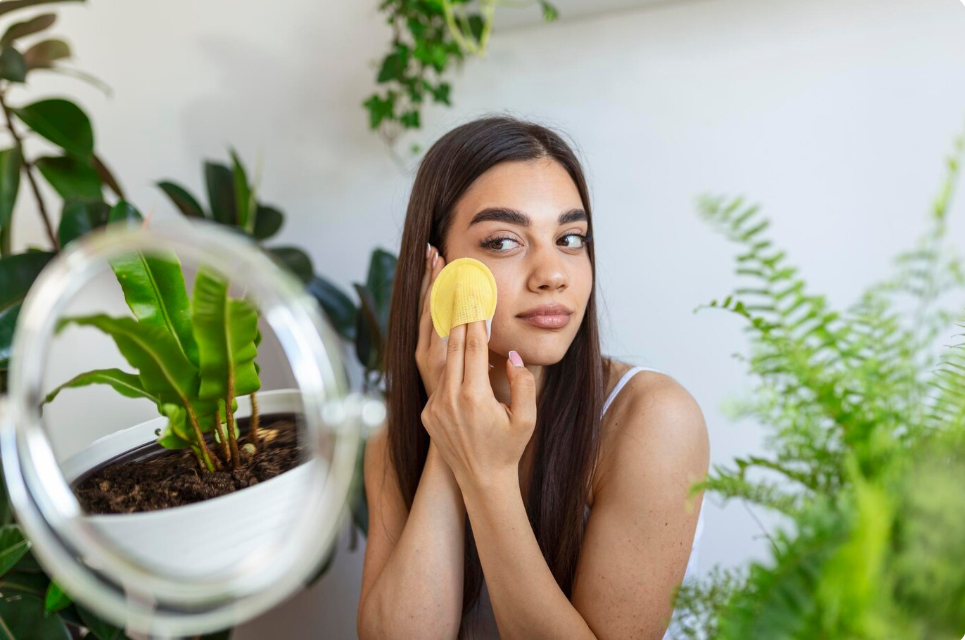
If you’re serious about preventing acne, look at your skincare and makeup labels. Products that are non-comedogenic are specifically designed not to block your pores. That means they’re less likely to cause whiteheads, blackheads, and other types of pimples.
This applies to moisturizers, sunscreens, and even hair care products that might come in contact with your skin. People with oily or acne-prone skin should opt for gel-based or water-based products that feel light and absorb quickly.
Heavy creams and scented products can sometimes irritate the skin or cause breakouts. So the next time you shop, check the label—not just for the brand but for the ingredients that suit your skin type.
3. Use Acne-Fighting Ingredients Like Salicylic Acid and Benzoyl Peroxide
If you’re still dealing with regular pimples despite following a skincare routine, consider adding active ingredients. Salicylic acid helps exfoliate your skin and unclog pores, while benzoyl peroxide kills acne-causing bacteria.
You don’t need both at once—start with one and monitor how your skin responds. These treatments are available in face washes, spot creams, and gels. Start with lower concentrations to avoid irritation, especially if you have sensitive skin.
Remember to moisturize, even if your skin feels oily. Active treatments can dry out your skin, and dryness can actually trigger more oil production. A balanced approach is key here.
4. Don’t Touch or Pick Your Pimples
It’s tempting, we get it. But touching your face, picking pimples, or trying to pop them often makes things worse. Your hands carry bacteria that can infect the area, leading to more redness and swelling—or even permanent scars.
Instead, apply a spot treatment and leave it alone. If a pimple is painful and inflamed, apply ice to reduce swelling (we’ll get to that next). Let your skin heal at its own pace without interference. This one habit alone can save you from long-term damage.
5. Use Ice to Calm Red, Swollen Pimples
If you wake up with a large, throbbing pimple, ice is your friend. It won’t make the acne disappear instantly, but it can shrink the swelling and lessen the redness.
Wrap an ice cube in a soft cloth and press it gently on the area for a few minutes. Repeat two to three times a day if needed. Don’t apply ice directly on the skin, as that can cause frostbite or irritation.
This is especially helpful for cystic acne or those under-the-skin pimples that take longer to surface.
6. Eat a Skin-Friendly Diet
What you eat doesn’t just affect your body—it affects your skin too. Processed sugar, dairy, and greasy food can trigger acne in many people. Try to avoid white bread, pastries, sugary sodas, and excessive fast food.
Instead, fuel your body with nutrient-rich foods. Leafy greens, fruits like berries and oranges, and omega-3 fatty acids from fish or flaxseeds are all great choices. Drinking green tea is also linked to reduced inflammation, and it’s packed with antioxidants that benefit your skin.
Eating clean won’t “cure” acne alone, but it creates a healthier base for your skin to function well.
7. Manage Stress the Smart Way
Stress releases cortisol—a hormone that increases oil production and inflammation in your skin. Ever noticed how you break out more during exams or tight work deadlines? That’s not a coincidence.
Make time for calming activities. Whether it’s 15 minutes of meditation, listening to music, doing yoga, or just walking, stress management is essential. Even laughing helps! Find something that relaxes your mind and stick with it.
It’s not just about your mental health—it’s about creating an internal environment where your skin doesn’t react badly.
8. Prioritize Quality Sleep
Sleep is your body’s way of healing and restoring balance. Poor sleep throws off your hormone levels, increases stress, and slows down skin recovery. All of these contribute to more breakouts.
Aim for 7 to 9 hours of uninterrupted sleep each night. Avoid screens for at least 30 minutes before bedtime, and sleep on clean pillowcases to prevent bacteria from transferring to your skin.
A consistent sleep schedule doesn’t just keep your skin calm—it boosts your mood and keeps your immune system in check too.
9. Drink Enough Water Every Day
Hydration may not be a cure-all, but it helps your body flush out toxins and keeps your skin functioning properly. Dry skin can lead to more oil production, which contributes to clogged pores.
Aim for at least 8 glasses of water a day. If that feels like too much, start slow and increase gradually. Water-rich fruits like cucumbers and oranges can help if you don’t want to drink plain water all the time.
Hydrated skin looks smoother, heals faster, and has fewer flare-ups.
10. Consult a Dermatologist for Persistent Breakouts
If you’ve tried all the above tips for weeks and your acne still doesn’t improve, it’s time to see a skin specialist. You may have hormonal acne, fungal acne, or other skin conditions that need medical treatment.
Dermatologists can prescribe stronger topical solutions, oral medications, or even therapies like chemical peels and light treatment. Don’t rely on internet hacks or guesswork—get a professional plan tailored to your skin.
Taking this step shows that you’re serious about fixing the issue, not just covering it up.
10 Tips Para Mawala ang Pimples Overnight
Need to calm a breakout fast? While you can’t completely erase a pimple overnight, some quick remedies can reduce swelling, redness, and visibility by morning. Here are 10 tips para mawala ang pimples overnight:
- Ice the Area – Wrap ice in a cloth and press on the pimple for 2–3 minutes to reduce swelling.
- Use Benzoyl Peroxide – Apply a small amount of spot treatment to kill bacteria and shrink the pimple.
- Try Tea Tree Oil – Dab diluted tea tree oil with a cotton swab to fight inflammation.
- Apply a Pimple Patch – Hydrocolloid patches absorb gunk and flatten pimples overnight.
- Use a Clay Mask – Spot treat with clay to dry out oil and clear pores.
- Honey Dab – Raw honey has antibacterial properties—apply a thin layer before bed.
- Aloe Vera Gel – Soothes irritation and supports healing while you sleep.
- Green Tea Toner – Cool brewed green tea can calm skin and reduce redness.
- Sulfur Cream – Helps dry out active pimples quickly; use as a spot treatment.
- Don’t Touch It – The less you touch, the faster it heals—hands off!
These quick tips work best when combined with a regular skincare routine. For lasting results, follow the full 10 tips para mawala ang pimples consistently.
Final Thoughts
There’s no overnight fix for acne, but consistent care makes a big difference. The key is finding what works for your skin and sticking with it no matter how small the results may seem at first.
These 10 tips para mawala ang pimples aren’t just skincare tricks. They’re a roadmap to understanding your body, your habits, and your skin’s unique signals. Make a few changes, be patient, and you’ll start noticing improvements.
Clearer skin is possible. It starts with commitment, awareness, and a little bit of patience just like anything else worth achieving.
Frequently Asked Questions (FAQs)
Q1. How fast do these tips work for acne-prone skin?
Results vary, but with consistent care, most people notice improvement within 2 to 4 weeks. For severe acne, it may take longer and require dermatologist guidance.
Q2. Can I use all 10 tips para mawala ang pimples at once?
You can gradually build them into your routine, but avoid overwhelming your skin. Start with the basics cleanser, moisturizer, and one treatment then add more as needed.
Q3. Are natural remedies like honey and tea tree oil really effective?
Yes, for mild acne, they can help reduce inflammation and bacteria. But they’re best used alongside proven treatments like salicylic acid or benzoyl peroxide.
Q4. Is diet really connected to acne?
In many people, yes. High sugar, dairy, and greasy foods may worsen acne. A clean, nutrient-rich diet helps improve overall skin health.
Q5. When should I see a dermatologist?
If your acne doesn’t improve after following these tips for 4–6 weeks, or if you have painful cystic breakouts, it’s best to consult a dermatologist for customized treatment.