
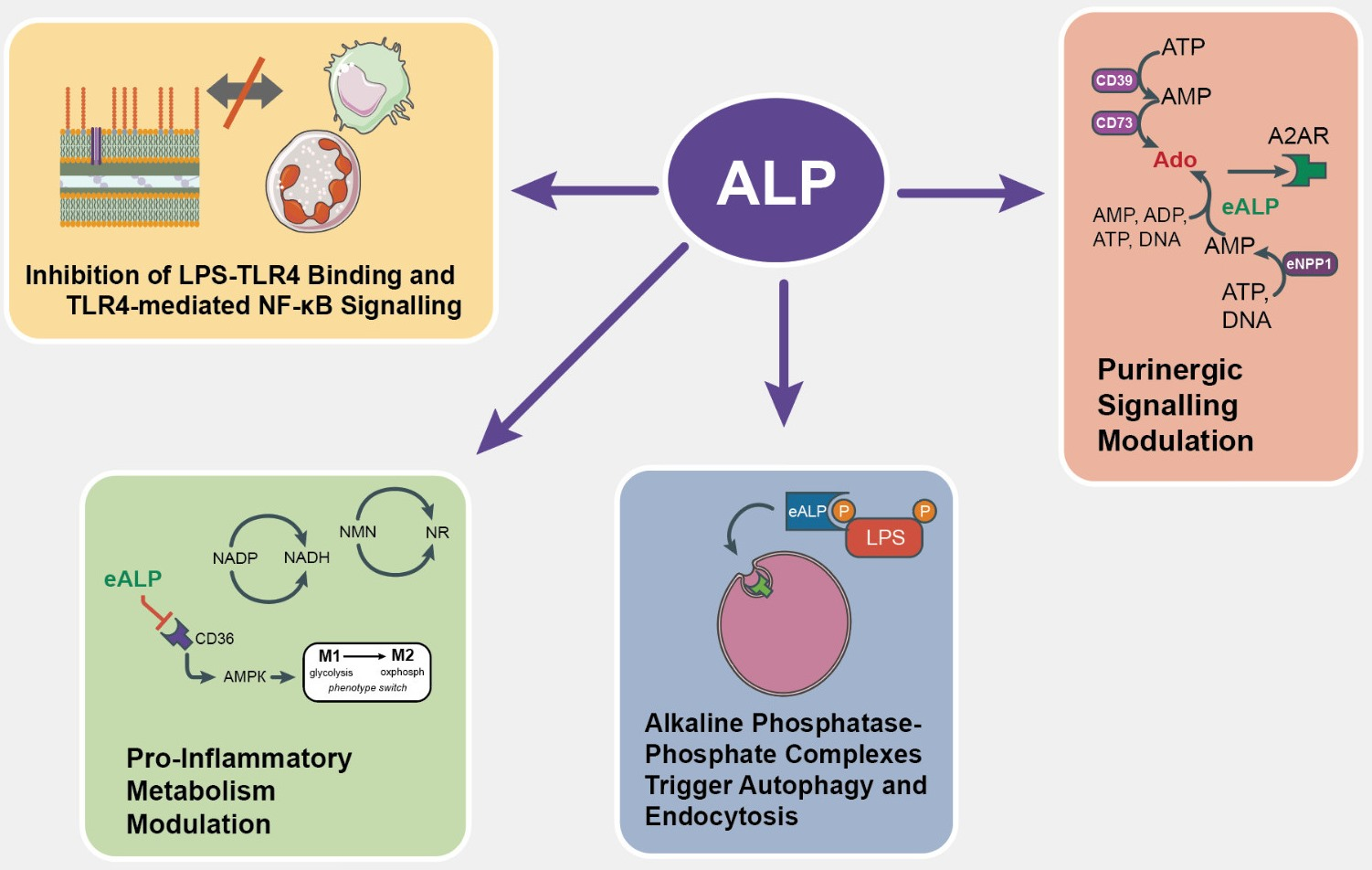
Your blood test report just came in, and one number stands out—alkaline phosphatase (ALP). You might see that it’s higher or lower than normal, but it’s not always clear what that means or what you should do next. ALP is an enzyme found in your liver, bones, and digestive system, and unusual levels could be a sign that something needs attention.
Many people want to know what level of alkaline phosphatase is dangerous. A small change usually isn’t a big deal, but a very high or very low level might point to a health problem that should be checked further.
This article will explain ALP in simple terms. You’ll learn what a normal level looks like, what can cause changes, and when you should be concerned. Whether your result is a little off or much higher than expected, this guide will help you understand what it could mean.
What Is Alkaline Phosphatase?
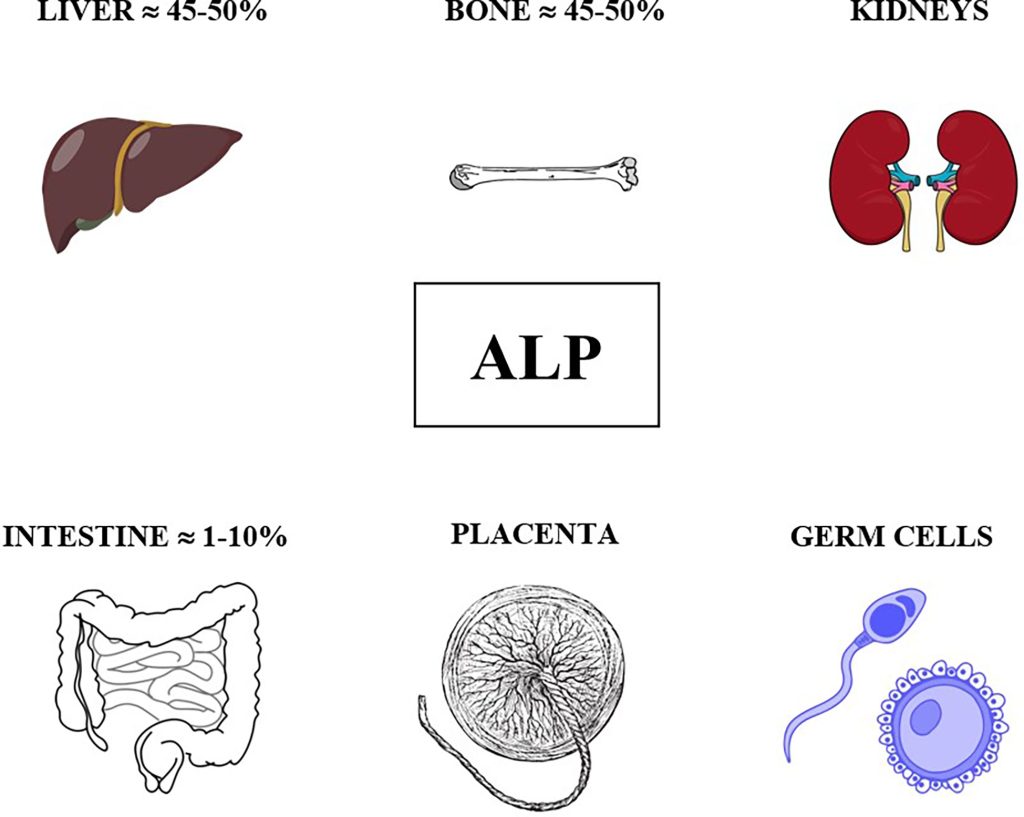
Alkaline phosphatase (ALP) is an enzyme that plays a crucial role in several important processes within your body. It’s involved in breaking down proteins and supports the proper functioning of your liver, bones, kidneys, and digestive system. This enzyme is found in nearly every tissue, but it’s most concentrated in your liver and bones.
In your liver, ALP helps move substances through the bile ducts, a network of channels that carry bile, a digestive fluid that aids in fat breakdown. In bones, ALP is produced by cells that help rebuild bone tissue. That’s why ALP levels are naturally higher in children and teens who are still growing, or in adults healing from a fracture.
When your doctor checks your ALP level, it’s usually as part of a liver function panel or a bone health evaluation. If your level is too high or too low, it can be a clue that something in your body needs closer attention whether it’s your liver, your skeleton, or something else.
What Level of Alkaline Phosphatase Is Dangerous?

So, what level of alkaline phosphatase is dangerous? While mild increases are often harmless, a level above 500 U/L in adults usually raises concern and requires further evaluation. Similarly, if your level is above 1,000 U/L, it’s typically considered serious and may point to significant liver or bone disease.
However, these numbers can vary depending on the individual. A reading of 300 U/L might be normal for someone recovering from a bone injury but alarming for someone without any known issues. That’s why doctors don’t look at ALP in isolation.
If your ALP level is flagged as high and you also have symptoms such as fatigue, yellowing of the skin or eyes (jaundice), nausea, or bone pain, it’s important to follow up quickly. Additional blood tests, imaging, or a referral to a specialist might be needed to find out what’s going on.
Alkaline Phosphatase Normal Range by Age
Alkaline phosphatase levels aren’t the same for everyone. They change based on your age, gender, and even your life stage. For example, children and teenagers naturally have higher ALP levels because their bones are growing. Pregnant women also see elevated levels due to the enzyme being produced by the placenta.
Here’s a typical breakdown of ALP levels by age:
| Age Group | Normal ALP Range (U/L) |
| Infants (0–12 months) | 100 – 470 |
| Children (1–9 years) | 145 – 420 |
| Teens (10–15 years) | 100 – 350 |
| Adults (16–50 years) | 44 – 147 |
| Seniors (51+ years) | 56 – 119 |
| Pregnant Women | Up to 2–4 times higher than adult normal |
It’s important to remember that lab results can vary slightly based on the equipment used and the method of testing. That’s why it’s always best to interpret your levels with help from a healthcare provider who understands your medical history.
What Level of Alkaline Phosphatase Is Dangerous in Pregnancy?
During pregnancy, it’s normal for ALP levels to rise, especially in the third trimester. The placenta produces its own form of ALP, so numbers two to four times higher than the standard adult range may still be considered normal.
That said, there are limits. Levels consistently over 1,000 U/L in pregnant women may need closer monitoring. This could point to issues such as liver stress, preeclampsia, or other complications related to the liver or gallbladder. Symptoms like nausea, persistent itching, abdominal pain, or dark urine should not be ignored.
If your doctor sees an unusually high ALP level during pregnancy, they may order further tests like liver function panels or bile acid tests to rule out conditions like intrahepatic cholestasis of pregnancy (ICP). While ALP alone doesn’t confirm a problem, it’s a piece of the puzzle worth watching.
Causes of Low Alkaline Phosphatase
Low ALP levels are less common but can also signal health issues that need attention. A number below the normal range doesn’t always mean you’re sick, but extremely low values should not be overlooked.
Nutrient deficiencies are a leading cause of low ALP. If you’re not getting enough zinc, magnesium, or vitamin B6, enzyme production may slow down. An underactive thyroid (hypothyroidism) can also result in lower ALP levels. In some people, chronic malnutrition or certain genetic conditions may also play a role.
Older adults, especially those who are frail or have conditions like anemia, may be more likely to experience low ALP. The condition known as hypophosphatasia, a rare genetic bone disorder, can also lead to severely low levels.
What Level of Alkaline Phosphatase Is Dangerous Low?
When ALP levels drop below 20 U/L in adults, it is generally considered too low. At this point, your body might not be producing enough enzyme to support healthy bone and liver function.
Symptoms of dangerously low ALP can include fatigue, bone pain, brittle bones, and delayed healing. These signs are especially important in people with a history of malnutrition or chronic illness. Your doctor may suggest tests to check for zinc deficiency, thyroid levels, or genetic disorders if your ALP is this low.
It’s also important to evaluate whether the low ALP is part of a broader pattern. Other test results and symptoms will guide the diagnosis.
Diagnosing the Underlying Cause
Identifying why your ALP is out of range often requires more than one test. Your doctor might order:
- ALP Isoenzyme Test: Determines where the ALP is coming from (liver, bones, etc.)
- Liver Function Tests: Includes ALT, AST, and bilirubin levels
- Vitamin and Mineral Panels: Checks for deficiencies in zinc, magnesium, and vitamin B6
- Imaging Tests: Such as ultrasound or X-rays for liver and bone evaluation
- Thyroid Tests: To rule out hypo- or hyperthyroidism
Only when multiple test results are reviewed together can a clear diagnosis be made. That’s why it’s crucial not to panic over a single abnormal value.
Wrapping Up
Understanding what level of alkaline phosphatase is dangerous helps you make sense of your blood test results. While small changes might not mean much, very high or low levels could point to problems with your liver, bones, or overall health.
The key is not to jump to conclusions based on numbers alone. Your symptoms, other test results, and medical history all play a role. If something doesn’t feel right, always follow up with your doctor. With the right care, most conditions linked to ALP changes can be managed effectively.
Frequently Asked Questions(FAQs)
Q1. Can exercise affect ALP levels?
Yes. Intense physical activity, especially strength training or endurance workouts, can temporarily increase ALP levels due to bone and muscle stress.
Q2. Is high ALP always serious?
Not always. High ALP can be normal during periods of growth, healing, or pregnancy. It becomes concerning only when accompanied by symptoms or other abnormal test results.
Q3. What foods help maintain healthy ALP levels?
Eating a balanced diet rich in zinc, magnesium, and vitamin B6 can support healthy enzyme levels. Foods like eggs, nuts, leafy greens, lean meat, and whole grains are good options.
Q4. Should I fast before an ALP test?
In most cases, fasting is not necessary for an ALP test. However, if other blood tests are scheduled at the same time, your doctor may advise fasting.