

When it comes to shoulder training, the rear deltoids often get overlooked, yet they are essential for strong and balanced shoulders. Incorporating rear delt exercises into your routine helps improve posture, prevent injuries, and strengthen the upper back. These exercises specifically target the posterior deltoids, helping to counteract the effects of prolonged sitting, forward-leaning postures, and muscular imbalances caused by focusing too much on front and side delts. Including rear delt work in your routine ensures overall shoulder symmetry and functional strength.
Why You Should Prioritize Rear Delt Training
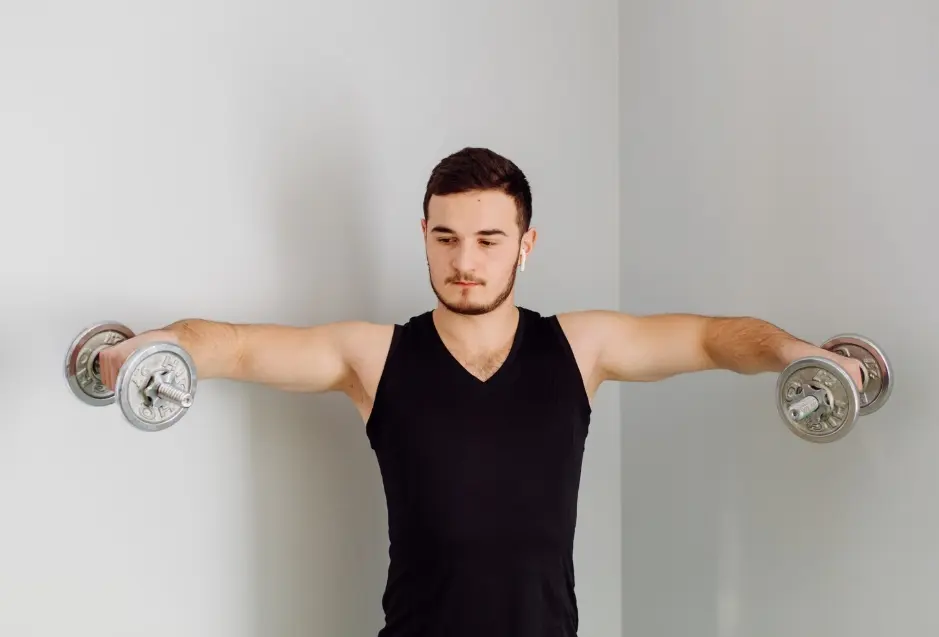
Rear delts play a crucial role in shoulder function, stability, and aesthetics. Neglecting them can result in rounded shoulders, weakness, and muscular imbalances. Prioritizing these muscles ensures your shoulders are strong, balanced, and less prone to injury.
-
Improved Posture
Weak rear delts contribute to rounded shoulders and a forward-leaning posture. Strengthening these muscles helps pull your shoulders back, supporting a more upright stance and reducing the risk of upper back and neck pain.
-
Enhanced Shoulder Stability
Posterior deltoids are essential for stabilizing the shoulder joint during pressing, pulling, and overhead movements. Strong rear delts make everyday activities and workouts safer, reducing the likelihood of shoulder injuries.
-
Balanced Shoulder Development
Focusing solely on front and side delts can create aesthetic and functional imbalances. Training rear delts ensures proportional development across all three deltoid heads, improving symmetry and upper body strength.
-
Better Athletic Performance
Rear delts contribute to pulling, throwing, and rotational movements. Strengthening them enhances athletic performance in sports like swimming, tennis, rowing, and baseball by providing more power and control.
-
Reduced Risk of Overuse Injuries
Neglected rear delts can lead to compensations in other muscles, increasing strain on the rotator cuff, traps, and neck. Regular rear delt training helps distribute loads evenly, preventing overuse injuries and chronic shoulder discomfort.
Rear Delt Exercises with Dumbbells

Dumbbells are versatile and allow controlled movements that isolate the rear delts effectively. They also help correct strength imbalances between shoulders while improving posture and upper back strength.
- Bent-Over Dumbbell Reverse Fly: Hinge at the hips with a slight bend in your knees, hold dumbbells, and raise your arms out to the sides while squeezing your shoulder blades.
- Single-Arm Dumbbell Row: Place one knee and hand on a bench for support and row a dumbbell toward your hip, keeping your elbow at 90 degrees for maximum rear delt activation.
- Incline Dumbbell Reverse Fly: Lie face down on an incline bench and lift the dumbbells outward with controlled motion, isolating the posterior delts.
- Seated Dumbbell Rear Lateral Raise: Sit on a bench, hinge slightly forward, and lift the dumbbells out to the sides until shoulder level, focusing on squeezing the rear delts at the top.
These exercises strengthen the rear delts, improve shoulder balance, and enhance overall upper body stability.
Rear Delt Exercises at Home
Training your rear delts at home is possible with minimal equipment or just bodyweight exercises. These movements strengthen the posterior deltoids and improve posture, making them perfect for those without gym access.
- Resistance Band Face Pulls: Attach a band at face height and pull toward your face, squeezing the shoulder blades.
- Bodyweight Reverse Flyes: Hinge at your hips and lift your arms outward, keeping tension on the rear delts.
- Inverted Rows: Use a sturdy table or bar to pull your chest upward, focusing on engaging the posterior delts.
- Quadruped Rear Delt Raises: Start on all fours and lift one arm to the side at shoulder level, keeping the elbow slightly bent. This isolates the rear delts using only bodyweight.
Rear Delt Exercises with Cable
Cable exercises provide constant tension, effectively targeting the rear delts while minimizing involvement from larger back muscles.
- Cable Face Pulls: Pull the rope attachment toward your face, keeping elbows high for proper rear delt engagement.
- Cable Reverse Flys: Pull the cables outward at shoulder height with a slight bend in the elbows.
- Single-Arm Cable Rear Delt Raise: Pull a single cable handle across your body and raise to shoulder height.
- Cable High Row: Using a rope or handle attachment, pull from high to mid-chest while keeping elbows flared to fully engage the posterior delts.
Top Rear Delt Exercises to Incorporate
Incorporating a variety of movements ensures full posterior delt activation for strength, symmetry, and stability.
- Reverse Pec Deck Machine: Provides constant tension, isolating the rear delts effectively.
- Incline Rear Delt Row: Minimizes involvement of larger back muscles for focused posterior delt work.
- Face Pulls: Strengthens rear delts, traps, and rhomboids to improve posture.
- Dumbbell Upright Rows with Wide Grip: Lift dumbbells toward the upper chest with elbows flared outward to engage rear delts alongside traps and shoulders.
Rear Delt Workout Routine Plan
A structured routine ensures your posterior delts receive adequate stimulus for growth and strength. Combining dumbbells, cables, and bodyweight movements provides a comprehensive workout.
Warm-Up:
- 5-10 minutes of light cardio (jogging or cycling)
- Dynamic shoulder stretches (arm circles, band pull-aparts)
Workout:
- Bent-Over Dumbbell Reverse Fly – 3×12-15 reps
- Face Pulls – 3×12-15 reps
- Incline Rear Delt Row – 3×10-12 reps
- Reverse Pec Deck Machine – 3×12-15 reps
- Single-Arm Dumbbell Row – 3×10-12 reps per arm
Cool Down:
- 5-10 minutes of shoulder and upper back stretches
- Foam rolling to release muscle tension
Tips for Effective Rear Delt Training
Optimizing rear delt exercises requires attention to form, consistency, and progressive overload. Proper technique ensures maximum muscle engagement while minimizing injury risk.
- Prioritize controlled form over heavy weights
- Focus on the mind-muscle connection to feel the rear delts working
- Gradually increase weight or reps to challenge the muscles
- Train rear delts 2-3 times per week consistently
- Allow adequate recovery to prevent overtraining
Common Mistakes to Avoid
Even small errors can reduce the effectiveness of rear delt exercises or lead to injuries. Being aware of common mistakes can help you train safely and effectively.
- Using Too Much Weight: Lifting heavy weights without proper control shifts focus from rear delts to larger muscles.
- Skipping Warm-Up: Failing to warm up increases the risk of shoulder strain and poor activation.
- Overtraining: Frequent sessions without rest can hinder recovery and muscle growth.
- Poor Technique: Incorrect posture, flared or tucked elbows, or rapid movements reduce effectiveness and may cause shoulder discomfort.
- Neglecting Mind-Muscle Connection: Not focusing on the posterior delts can lead to other muscles compensating, limiting results.
Frequently Asked Questions (FAQ)
Q1: How often should I train rear delts?
- 2-3 times per week, allowing at least 48 hours between sessions for recovery.
Q2: Can I target rear delts with bodyweight exercises?
- Yes, exercises like inverted rows and quadruped rear delt raises effectively engage posterior delts.
Q3: Are rear delt exercises suitable for beginners?
- Start with light weights or resistance bands, focusing on proper form.
Q4: Should I include rear delt exercises in every workout?
- 2-3 times per week is sufficient for balanced development.
Q5: What are signs of overtraining rear delts?
- Persistent soreness, fatigue, and reduced performance indicate overtraining; ensure adequate rest.
Wrapping Up
Incorporating rear delt exercises into your training routine is essential for strong, balanced shoulders, improved posture, and a well-developed upper back. Targeting these often-overlooked muscles ensures symmetry, reduces injury risk, and enhances overall shoulder function. Focus on proper form, challenge yourself progressively, and allow sufficient recovery to maximize the benefits of your rear delt training.