
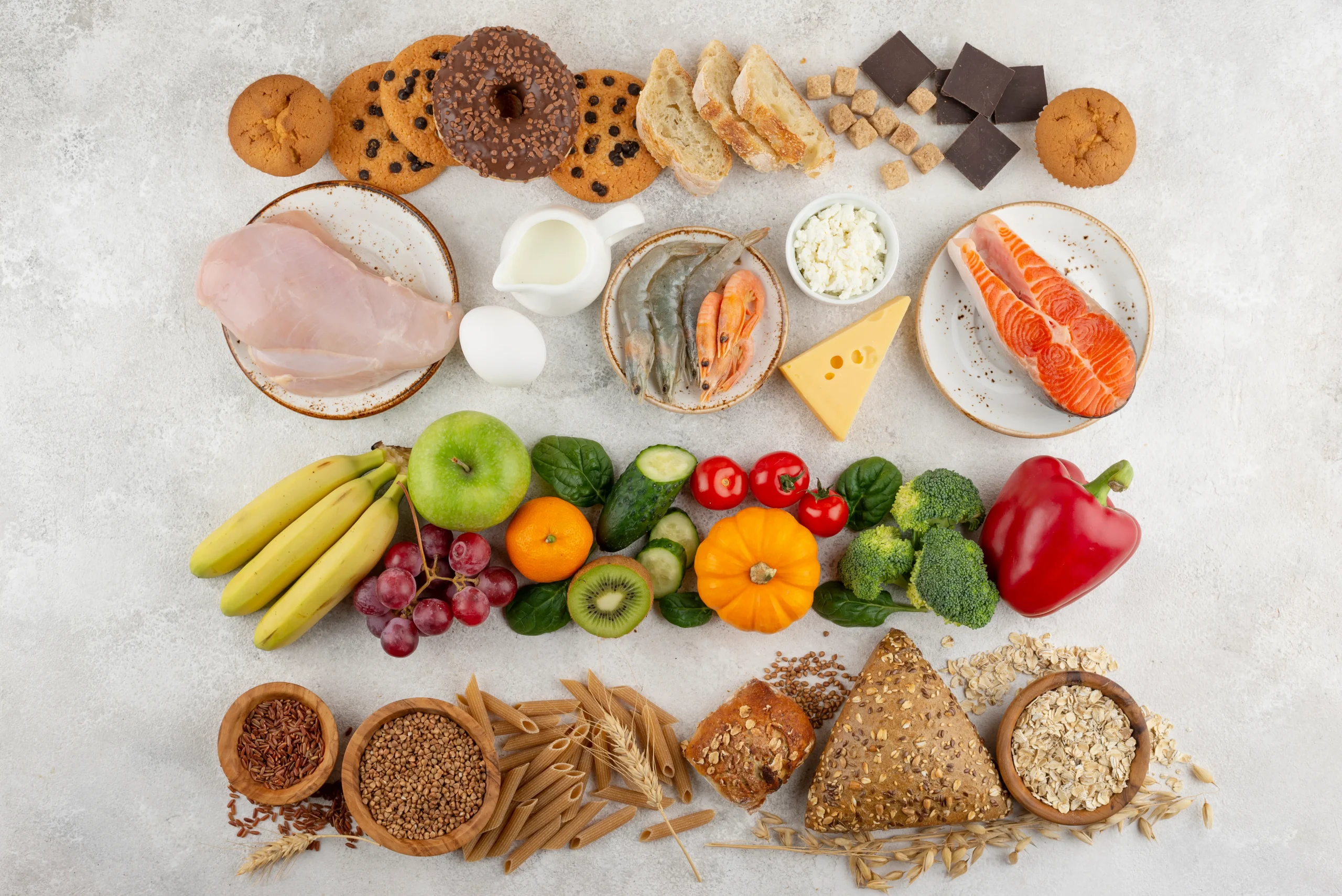
Living with diverticulitis requires careful attention to your diet to ease symptoms and prevent flare-ups. Diverticulitis happens when small pouches in your colon, called diverticula, become inflamed or infected, causing pain, bloating, and digestive issues. Following dietary advice from trusted sources like the NHS can provide clear guidance on managing this condition effectively.
This article highlights the 7 foods to avoid with diverticulitis NHS recommends, helping you make informed choices during flare-ups. You’ll also find information on vitamins to avoid, a simple NHS diet sheet, and lifestyle tips to support your digestive health.
What is Diverticulitis?
Diverticulitis develops when diverticula, small bulges in the wall of your large intestine, become inflamed or infected. These pockets can form when the lining of your colon weakens, often due to low fiber intake or chronic constipation.
Symptoms usually include abdominal pain (especially on the lower left side), fever, nausea, and changes in bowel habits. Since diverticulitis affects your digestive system, what you eat can significantly influence how well you feel and how quickly you recover.
Understanding which foods cause irritation or worsen inflammation helps you manage your diverticulitis more effectively.
Why You Need to Watch Your Diet with Diverticulitis
Your digestive system becomes sensitive during diverticulitis flare-ups, so certain foods can worsen inflammation or cause discomfort. Fiber is essential for colon health, but during active symptoms, some types of fiber or hard-to-digest foods might make things worse.
The NHS and other health experts recommend avoiding foods that can irritate the colon lining or get stuck in diverticula. By following a proper diverticulitis diet, you help reduce inflammation and prevent further attacks.
Making informed food choices plays a vital role in managing your symptoms and protecting your gut.
7 Foods to Avoid with Diverticulitis (NHS Guidelines)
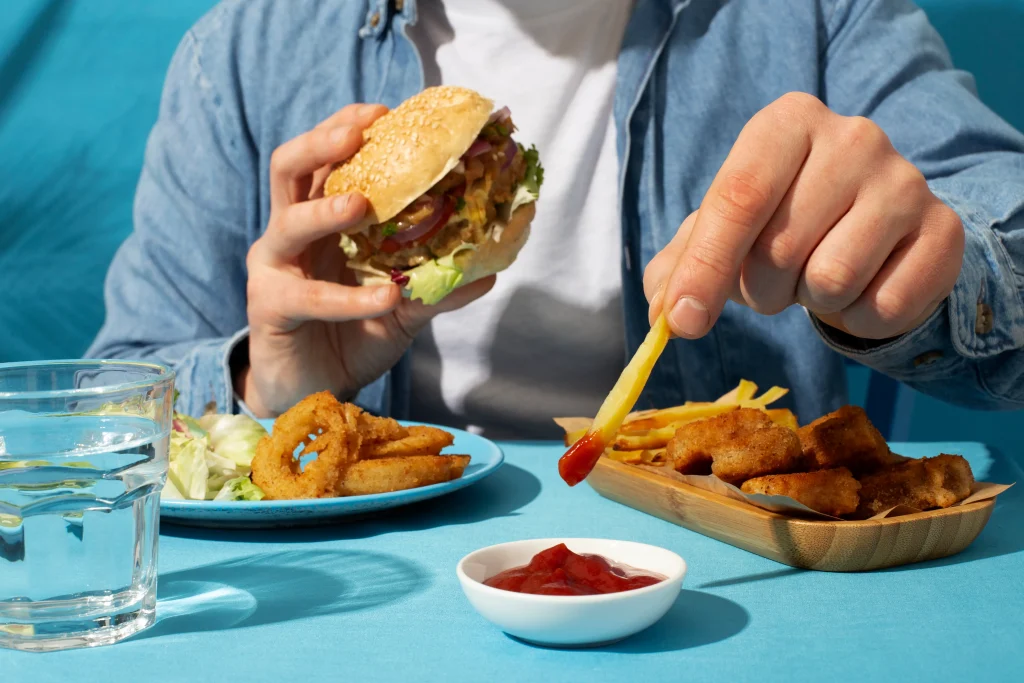
To help you better manage your condition, here are the 7 foods to avoid with diverticulitis NHS suggests. Steering clear of these foods during flare-ups can ease symptoms and promote healing.
1. Nuts and Seeds
Nuts and seeds, while healthy in general, may irritate your colon during diverticulitis. Their tiny pieces can get trapped in the diverticula and cause pain or inflammation. Avoid almonds, sunflower seeds, flaxseeds, and others until your symptoms improve.
2. Popcorn
Popcorn kernels are difficult to digest and can lodge in the colon’s small pouches. The NHS specifically advises against eating popcorn during flare-ups, as it may worsen pain or cause further irritation.
3. Red Meat
Red meat is often hard to digest and linked to increased gut inflammation. Cutting back on beef, pork, and lamb during symptoms can reduce digestive discomfort. Instead, try lean proteins like chicken, fish, or plant-based sources.
4. Fried and Fatty Foods
Deep-fried foods and those high in fat slow digestion and can trigger bloating or discomfort. Avoid fried chicken, fast food, and oily snacks while recovering from diverticulitis to give your gut a break.
5. Processed Foods
Processed foods typically contain additives, preservatives, and little fiber. These factors don’t support a healthy gut environment and may contribute to constipation or flare-ups. Minimize intake of ready-made meals, processed meats, and salty snacks.
6. Dairy Products (For Some People)
Though dairy doesn’t affect everyone with diverticulitis, some people experience worsened symptoms due to lactose intolerance or sensitivity. Monitor your reaction to milk, cheese, and yogurt, and avoid dairy if it causes pain or bloating.
7. Spicy Foods
Spicy dishes and hot sauces can irritate the lining of your digestive tract during inflammation. It’s best to limit or avoid spicy foods while your colon is healing.
Foods That Help Manage Diverticulitis Symptoms
After your flare-up settles, gradually add these foods to support healing and prevent future issues:
- Cooked Vegetables – Soft, cooked veggies like carrots, zucchini, and squash are easier to digest and gentle on your colon.
- Peeled Fruits – Fruits without skin such as bananas, apples (peeled), and pears provide fiber without irritating your gut.
- Whole Grains – Foods like brown rice, oats, and whole wheat bread add beneficial fiber to keep your digestion regular.
- Legumes – Beans, lentils, and peas offer fiber and nutrients but should be introduced slowly to avoid gas.
- Probiotic-Rich Foods – Yogurt, kefir, and fermented vegetables support healthy gut bacteria and reduce inflammation.
- Plenty of Fluids – Water is essential for digestion and softening stool. Herbal teas and clear soups are also good options.
Add these foods slowly and watch how your body responds. This careful approach helps maintain a healthy digestive system and aligns with NHS advice.
NHS Dietary Tips for Diverticulitis Management
| Stage | Recommended Foods | Foods to Avoid | Notes |
| During Flare-Up (Acute Phase) | – Clear broths (chicken, vegetable)
– Jelly (without fruit pieces) – Plain tea or coffee (without milk) – Water and clear fluids |
–Clear broths (chicken, vegetable)
– Jelly (without fruit pieces) – Plain tea or coffee (without milk) – Water and clear fluids |
Low-fiber/liquid diet to rest the bowel and ease symptoms. |
| Recovery Phase | – Soft, low-fiber foods:
• Bananas • White bread or toast • Cooked vegetables (carrots, zucchini, peeled potatoes) • Plain rice or pasta • Eggs |
– Nuts and seeds
– Popcorn – Spicy foods – Red meat – Processed foods |
Gradually add soft foods as symptoms improve, still avoiding irritating foods. |
| Maintenance Phase (After Recovery) | High-fiber foods:
• Whole grains (brown rice, oats, whole wheat bread) • Fresh fruits (with skin, if tolerated) • Raw and cooked vegetables • Legumes (lentils, beans) • Nuts and seeds (if tolerated) |
– Limit fried, fatty, and processed foods
– Monitor dairy and spicy foods based on tolerance |
Aim for a balanced, fiber-rich diet to prevent flare-ups and support colon health. |
Additional Tips:
- Drink plenty of water throughout all stages to keep stool soft.
- Avoid caffeine and alcohol during flare-ups as they may irritate your gut.
- Always introduce new foods slowly, one at a time, to monitor tolerance.
- Consult your healthcare provider or dietitian for personalized advice.
Vitamins to Avoid with Diverticulitis
When managing diverticulitis, you should be mindful of certain vitamins and supplements that might irritate your digestive system. For example, high doses of vitamin C can cause stomach upset or diarrhea, which may worsen your symptoms.
Iron supplements often cause constipation or digestive discomfort and should be taken only under medical supervision during flare-ups.
Before starting any vitamin or mineral supplements, discuss them with your healthcare provider to ensure they are safe and suitable for your condition.
Lifestyle Tips Alongside Diet
Diet alone isn’t enough to control diverticulitis. Managing stress is important because stress can increase gut sensitivity and inflammation. Activities such as meditation, walking, or hobbies that help you relax can improve your digestive health.
Regular exercise helps keep your bowels moving regularly and reduces pressure on your colon. Aim for gentle activities like yoga, swimming, or daily walks.
Always keep in contact with your doctor about symptoms or dietary changes. Personalized advice ensures you receive the best care for your condition.
Wrapping Up
Understanding the 7 foods to avoid with diverticulitis NHS guidelines, is a crucial step in managing your symptoms and preventing future flare-ups. By steering clear of nuts, popcorn, red meat, fried foods, processed items, dairy (if sensitive), and spicy foods, you give your colon the chance to heal properly.
Combining dietary changes with healthy habits such as regular exercise, stress management, and hydration further supports your gut health. Always consult your healthcare provider before making significant diet or supplement changes.
With mindful choices and guidance from trusted sources like the NHS, you can manage diverticulitis effectively and improve your quality of life.
Frequently Asked Questions (FAQs)
Q1. Can I eat nuts if I have diverticulitis?
Avoid nuts during flare-ups as they may irritate the colon. You can try reintroducing them once symptoms improve.
Q2. Is popcorn really bad for diverticulitis?
Yes, popcorn can lodge in diverticula and worsen symptoms, so it’s best avoided during flare-ups.
Q3. How long should I avoid these foods?
Avoid these foods during active symptoms and gradually reintroduce them as your doctor advises.
Q4. Are there any safe spicy foods I can eat?
Mild spices may be tolerated after recovery, but avoid heavily spiced meals during flare-ups.
Q5. Can I eat dairy during diverticulitis flare-ups?
If dairy causes symptoms like bloating or pain, avoid it and discuss alternatives with your healthcare provider.