
You wake up with a mild cough, maybe a slight fever, and a bit of fatigue. It feels like a normal cold, so you ignore it. Days pass, and instead of getting better, the cough lingers and your energy drops. At some point, you start thinking about what’s really going on, and questions like how long does walking pneumonia last begin to cross your mind.
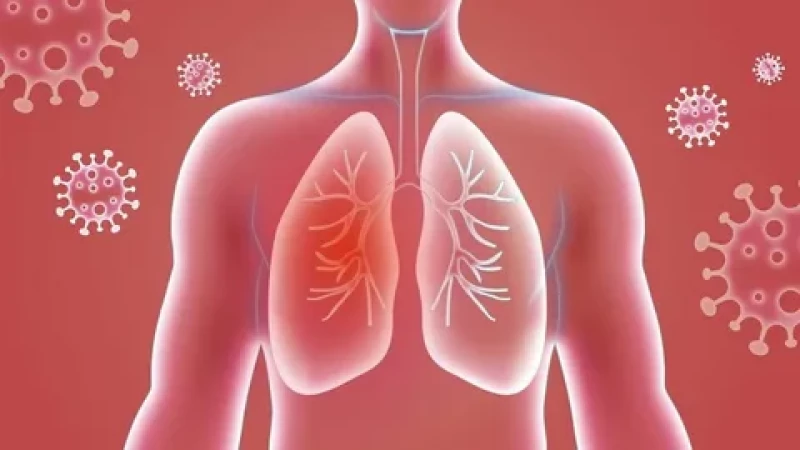
Walking pneumonia is a mild but persistent lung infection that doesn’t always force you to rest. You may continue your daily routine, which makes it easy to overlook in the beginning. However, even though it feels less serious than traditional pneumonia, it can stay in your system for weeks if not managed properly.
Understanding the timeline, symptoms, and recovery process helps you make better decisions about your health. Once you know what to expect, you can avoid delays in treatment and recover more smoothly.
What Is Walking Pneumonia?
Walking pneumonia, also called atypical pneumonia, is a milder form of pneumonia that affects the lungs without causing severe symptoms right away. Unlike typical pneumonia, you may not feel extremely sick, which is why many people don’t realize they have it.
This condition is most commonly caused by the bacteria Mycoplasma pneumoniae, though viruses can also contribute. It spreads through airborne droplets, making it easy to catch in crowded spaces like schools, offices, and public transport.
What makes walking pneumonia different is its slow onset. Instead of sudden severe symptoms, it builds gradually. You may start with what feels like a minor cold, only to notice that it refuses to go away. This slow progression is the reason many cases go untreated in the early stage.

How Long Does Walking Pneumonia Last?
If you’re experiencing ongoing symptoms, it’s natural to ask how long does walking pneumonia last. While there isn’t a one-size-fits-all answer, there is a general pattern most people follow.
Typically, symptoms last between 1 to 4 weeks, but full recovery can take up to 6 weeks or even longer in some cases. The most persistent symptom is usually the cough, which may continue even after other signs disappear.
One important thing to understand is that walking pneumonia doesn’t hit your body all at once. It develops slowly and fades gradually. This means you may feel slightly better one day and still deal with lingering symptoms the next.
Understanding the Recovery Timeline
During the first week, symptoms are mild and easy to ignore. You might feel tired, have a sore throat, or notice a light cough. Many people assume it’s just a seasonal illness.
By the second and third weeks, the infection becomes more noticeable. The cough becomes more frequent, your chest may feel uncomfortable, and fatigue increases. You might still function normally, but you don’t feel completely well.
From the third week onward, your body begins to recover. Fever subsides, energy slowly returns, and the cough starts to reduce. However, it’s common for the cough to linger as your lungs continue healing internally.
Symptoms That Affect Recovery Time
Walking pneumonia symptoms are often mild but long-lasting, which makes them easy to underestimate. Common symptoms include:
- Persistent dry cough
- Low-grade fever
- Sore throat
- Headache
- Ongoing fatigue
In some cases, you may also notice mild chest tightness or discomfort while breathing deeply.
The most frustrating part is the lingering cough. Even after you start feeling better, the cough may stay for weeks. This happens because your lungs need time to repair after the infection.
What Affects How Long Walking Pneumonia Lasts?
Several factors influence your recovery time, and understanding them can help you heal faster.
- Immune system strength: Your immune system strength plays a major role. If your immunity is strong, your body can fight the infection more efficiently. If not, symptoms may last longer.
- Severity of the infection: The severity of the infection also matters. Some cases are very mild, while others are more persistent and require medical treatment.
- Early treatment: It is another key factor. If you start antibiotics on time (for bacterial cases), recovery is usually shorter. Delayed treatment can allow the infection to linger.
- Daily Habits: Your daily habits also impact recovery. Poor sleep, stress, and lack of proper nutrition can slow healing. On the other hand, rest, hydration, and a balanced diet support faster recovery.
Is Walking Pneumonia Contagious?
Yes, walking pneumonia is contagious and spreads through respiratory droplets. When an infected person coughs, sneezes, or even talks closely, the infection can pass to others.
You may be contagious even before symptoms appear, which makes it easy to spread unknowingly. If untreated, you can remain contagious for several weeks.
To reduce the risk of spreading:
- Cover your mouth and nose while coughing
- Wash your hands frequently
- Avoid close contact, especially in crowded places
- Stay home when symptoms are active
Even though it is milder than regular pneumonia, taking precautions is important to protect others around you.
Can You Die from Walking Pneumonia?
In most cases, walking pneumonia is not life-threatening. Healthy individuals usually recover without serious complications.
However, it can become more serious for certain groups:
- Older adults
- Young children
- People with weak immune systems
- Individuals with chronic conditions
If left untreated, it can lead to complications such as worsening lung infection or breathing difficulties. While rare, these situations highlight the importance of not ignoring symptoms.
How to Test for Walking Pneumonia
Diagnosis usually starts with a physical check-up. A doctor listens to your lungs and evaluates your symptoms.
If needed, further tests may include:
- Chest X-ray to confirm infection in the lungs
- Blood tests to identify the cause
- Throat swab or PCR test to detect bacteria
Testing is especially important if symptoms last longer than expected or do not improve with time. Proper diagnosis ensures you receive the right treatment.
Treatment and Recovery Tips
Treatment depends on the cause of the infection. For bacterial walking pneumonia, doctors usually prescribe antibiotics. Along with that, supportive care helps manage symptoms.
At home, you can support recovery by:
- Taking proper rest
- Drinking warm fluids like soups and herbal tea
- Using steam or a humidifier to ease breathing
- Eating nutritious meals
Avoid pushing yourself too hard during recovery. Your body needs time and energy to heal fully.
When Should You See a Doctor?
It’s easy to ignore mild symptoms, especially when they don’t disrupt your routine much. But if they stick around or start getting worse, it’s time to take them seriously. Waiting too long can delay recovery and make things harder on your body.
You should consider seeing a doctor if:
- Your symptoms last more than two to three weeks without improvement
- You feel shortness of breath or chest discomfort
- Your fever becomes high or doesn’t go away
- The cough gets worse instead of better
- You feel unusually weak or drained even after rest
Getting checked early doesn’t just confirm what’s going on—it also helps you recover faster and avoid complications.
Walking Pneumonia vs Regular Pneumonia
Walking pneumonia and regular pneumonia may sound similar, but they feel quite different when you experience them.
Walking pneumonia is usually mild. You can still move around, go to work, and manage daily tasks, even though you don’t feel completely well. The symptoms come on slowly and tend to last longer.
Regular pneumonia, on the other hand, hits harder. Symptoms like high fever, severe chest pain, and difficulty breathing appear quickly. Because it feels more serious, people often seek treatment sooner, which can sometimes lead to faster recovery.
The tricky part with walking pneumonia is that it doesn’t feel urgent. That’s why many people delay treatment, which often leads to a longer recovery period.
To make the difference clearer, here’s a simple comparison:
| Feature | Walking Pneumonia | Regular Pneumonia |
| Severity | Mild | Severe |
| Onset of Symptoms | Gradual | Sudden |
| Daily Activities | Usually continue | Mostly restricted |
| Common Symptoms | Dry cough, mild fever, fatigue | High fever, chest pain, breathing difficulty |
| Recovery Time | Longer (weeks) | Shorter with early treatment |
| Hospitalization | Rare | Often needed in serious cases |
Conclusion
If you’ve made it this far, you likely have a clearer idea of what to expect from this condition. A common concern people have is how long does walking pneumonia last, and the answer isn’t always exact. For most, symptoms improve within a few weeks, but it’s completely normal for a cough or fatigue to linger beyond that.
What matters most is how you respond early on. Paying attention to small changes in your body, getting enough rest, and seeking medical advice when needed can make a noticeable difference in your recovery. Even though walking pneumonia feels mild at first, it shouldn’t be ignored if symptoms continue.
Give your body the time it needs to heal. With the right care and a bit of patience, you can recover fully and get back to your routine without unnecessary setbacks.
Frequently Asked Questions (FAQs)
Q1.How long does walking pneumonia last in adults?
In most cases, symptoms last between 1 to 4 weeks, but full recovery can take up to 6 weeks. A dry cough may continue even after you start feeling better.
Q2.Can walking pneumonia go away on its own?
Yes, mild cases can improve without antibiotics. However, proper treatment can speed up recovery and reduce the risk of complications, especially if the infection is bacterial.
Q3.Why does the cough last so long after walking pneumonia?
The cough lingers because your lungs are still healing. Even after the infection clears, the airways remain sensitive, which can cause a persistent cough for a few weeks.
Q4.Is walking pneumonia contagious for a long time?
Yes, it can be contagious for several weeks, especially if untreated. You may spread it even before symptoms appear, so taking precautions is important.
Q5.Can you continue daily activities with walking pneumonia?
You may be able to carry on with light activities, but it’s not recommended. Rest is important for recovery, and continuing normal routines can slow down healing.