
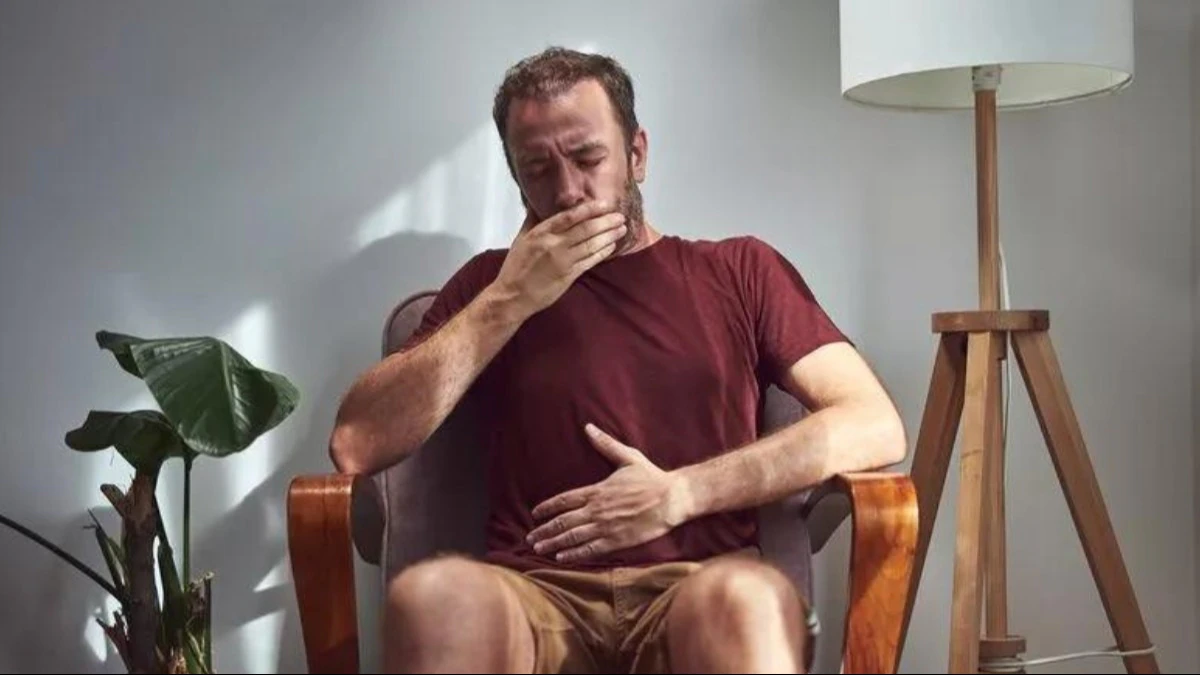
Sulfur burps are a type of burping that comes with a strong smell similar to rotten eggs. They usually happen when hydrogen sulfide gas builds up in your digestive system due to food breakdown or gut imbalance. Many people feel worried when this condition starts suddenly and often search for how long do sulfur burps last to understand whether it is serious. In most cases, it is temporary and linked to diet, mild infection, or digestion issues. However, the duration can vary from a few hours to a few days depending on the cause and your overall gut health.
What Are Sulfur Burps?
Sulfur burps are burps that carry a strong smell similar to rotten eggs. This smell comes from sulfur-containing gases produced in the gut during digestion. When food breaks down in your stomach and intestines, certain bacteria release hydrogen sulfide gas, which causes this odor. They are not a disease on their own but a symptom of an underlying digestive imbalance or irritation.
Along with the bad smell, you may also notice other signs such as bloating, stomach pressure, or mild cramping. Some people also report nausea or loose stools when sulfur burps are linked to infection or food intolerance. The intensity can change throughout the day depending on meals and digestion speed.

Why Do Sulfur Burps Happen?
Sulfur burps usually happen when something in your digestive system is not working smoothly. It can be related to what you eat, how your gut functions, or even an underlying stomach issue.
1. Digestive System Imbalance
When your gut bacteria are not balanced, digestion becomes slower and less efficient. This allows food to ferment longer than usual, producing more gas. That gas often contains sulfur compounds, which leads to foul-smelling burps.
Poor digestion or low stomach acid can also make the situation worse.
2. Food-Related Triggers
Certain foods increase sulfur gas production. Eggs, meat, garlic, onion, dairy, and high-protein meals are common triggers. Eating too fast or overeating can also overload your digestive system, leading to more gas buildup.
Carbonated drinks may add extra pressure in the stomach, making burps more frequent.
3. Infections and Medical Causes
Sometimes sulfur burps are linked to stomach infections like gastroenteritis or food poisoning. These infections disturb gut bacteria and increase gas production. Conditions like IBS (irritable bowel syndrome) or food intolerance can also lead to repeated episodes.
How Long Do Sulfur Burps Last?
The duration of sulfur burps depends mainly on what is triggering them in your body. In most situations, they do not last long and improve once digestion gets back to normal.
In most cases, sulfur burps last a few hours to around 2–3 days. If the cause is something you ate, the symptoms usually fade once your digestive system clears the food. However, if the root cause is an infection or ongoing digestive issue, the duration can be longer.
If sulfur burps are caused by diet, they often disappear within a day. When linked to stomach infections, they may last 2–5 days depending on recovery speed. In chronic digestive problems, the symptoms can come and go over time instead of fully stopping.
Your diet plays a major role in recovery. Hydration level, gut health, and how quickly your body processes food all affect how long symptoms last. Medications or probiotics may shorten the duration by restoring balance in the gut.
How Long Do Sulfur Burps Last on Ozempic
Ozempic can affect digestion in a way that makes sulfur burps more noticeable, especially in the beginning. Since the medication slows stomach emptying, food stays in the digestive tract for a longer time, which increases gas formation and leads to foul-smelling burps. This is a common early side effect for many users and is usually temporary as the body adjusts.
When starting Ozempic, sulfur burps may appear within the first few weeks. Each episode can last a few days, particularly during dose increases or adjustments. For many people, the intensity gradually reduces as the digestive system adapts, often within 2–8 weeks of consistent use.
The duration can vary based on factors like dosage strength, how quickly the dose is increased, and daily eating habits. Heavy, oily, or high-protein meals may make symptoms last longer, while smaller and lighter meals can help reduce discomfort. Individual digestion speed and sensitivity to the medication also play an important role.
In most cases, sulfur burps become less frequent over time once the body adjusts to Ozempic. With mindful eating habits and better food choices, the issue usually settles and becomes easier to manage.
Common Causes of Persistent Sulfur Burps
When sulfur burps do not settle quickly, it usually means an underlying digestive trigger is still active. It is often related to food habits, gut health, or an infection affecting normal digestion.
- Bacterial imbalance in the gut
When harmful bacteria increase in the digestive system, they break down food in an unusual way. This process releases more sulfur gas, which leads to repeated foul-smelling burps. - Stomach infections
Conditions like gastroenteritis or food poisoning can disturb normal digestion. Along with sulfur burps, you may also notice symptoms like nausea, diarrhea, and stomach discomfort. - Acid reflux and IBS
Digestive conditions such as acid reflux or irritable bowel syndrome can slow or disrupt digestion. This may cause gas buildup and repeated sulfur burps over time. - Food intolerance
Lactose or gluten sensitivity can also be a hidden cause. If your body struggles to digest certain foods, it can lead to gas formation and recurring sulfur burps without an obvious reason.
Home Remedies For Sulfur Burps
Small changes in daily habits can quickly reduce sulfur burps and improve digestion. Most of these remedies work by lowering gas formation and supporting a smoother digestive process.
1. Adjust Your Diet for Easier Digestion
Changing your diet is one of the fastest ways to reduce sulfur burps. Stick to light meals for a few days and avoid heavy or oily foods that slow digestion. Cutting down on eggs, red meat, garlic, and dairy can help lower sulfur gas production. Eating slowly and chewing properly also reduces air swallowing, which further helps control burping.
2. Use Natural Digestive Soothers
Ginger tea is often used to calm the stomach and support better digestion. It helps reduce gas formation and can ease discomfort. Peppermint tea may relax the stomach muscles and reduce bloating. Drinking warm water throughout the day also supports digestion and helps the body clear excess gas naturally.
3. Improve Daily Habits That Affect Digestion
Avoid carbonated drinks because they increase gas buildup in the stomach. This can make sulfur burps more frequent and uncomfortable.
Do not lie down immediately after eating, as it slows digestion and worsens symptoms. Eating smaller meals at regular intervals helps the digestive system stay balanced and reduces pressure in the stomach.
Medical Treatments for Sulfur Burps
If home remedies are not enough, medical treatment may be needed depending on the cause. Antacids are often used when acid reflux is involved. They help reduce stomach acidity and discomfort. If a bacterial infection is the reason, doctors may prescribe antibiotics to clear the infection and stop gas formation. Probiotics are sometimes recommended to restore healthy gut bacteria. They support better digestion and reduce foul-smelling gas over time. In chronic conditions like IBS, treatment focuses on managing symptoms and identifying food triggers.
Prevention Tips
Preventing sulfur burps mainly depends on maintaining healthy digestion. A balanced diet is the first step. Avoid frequent consumption of high-sulfur foods if you notice sensitivity. Eating slowly and chewing properly can reduce air swallowing, which lowers gas buildup. Staying hydrated also supports smooth digestion. Adding probiotic-rich foods like yogurt or fermented items can help maintain good gut bacteria balance. Regular meals and avoiding overeating can also prevent sudden digestive pressure that leads to burps.
When Should You See a Doctor?
You should consult a doctor if sulfur burps last more than 3–5 days without improvement. Persistent symptoms may indicate an infection or deeper digestive issue. If you notice strong stomach pain, fever, or ongoing diarrhea, medical attention is important. These signs often point to infection or food poisoning. Repeated episodes without a clear food trigger should also be checked. It may be related to IBS, intolerance, or other digestive conditions that need proper diagnosis.
Wrapping Up
Sulfur burps are usually a short-term digestive issue, but they can feel uncomfortable and frustrating while they last. In most cases, they are linked to diet, gut imbalance, or mild infections, and they settle once the root cause improves. Understanding how long do sulfur burps last helps you stay calm and take the right steps instead of worrying unnecessarily.
Simple changes in eating habits, staying hydrated, and avoiding trigger foods can make a noticeable difference. If symptoms keep coming back or last longer than expected, it is better to get medical advice to rule out any underlying condition.
Frequently Asked Questions (FAQs)
Q1. How long do sulfur burps usually last?
Most sulfur burps last a few hours to 2–3 days. If caused by infection or digestive issues, they may last longer.
Q2. Are sulfur burps a sign of something serious?
Not usually. They are often linked to diet or mild digestive imbalance, but persistent cases may need medical attention.
Q3. Can stress cause sulfur burps?
Yes, stress can slow digestion and increase gas production, which may trigger sulfur burps.
Q4. What foods should I avoid during sulfur burps?
Avoid eggs, dairy, garlic, onions, red meat, and carbonated drinks as they can increase sulfur gas.
Q5. Do sulfur burps go away on their own?
Yes, in most cases they resolve naturally once the digestive system clears the trigger food or infection.