

Hemoglobin is a protein in your red blood cells responsible for carrying oxygen from your lungs to the rest of your body. It acts like a delivery vehicle, supplying oxygen to vital organs such as the brain, heart, and muscles. Healthy hemoglobin levels help you stay energetic, maintain focus, and reduce fatigue. Low hemoglobin can leave you feeling tired, dizzy, or short of breath, and may eventually affect overall well-being.
Including hemoglobin increase food in your diet ensures your body receives the nutrients needed to maintain healthy red blood cells. These foods are rich in iron, folate, vitamin B12, and vitamin C, all essential for optimal blood health. When your body gets these nutrients consistently, it can produce enough red blood cells to deliver oxygen efficiently.
Signs Your Hemoglobin Might Be Low
Detecting low hemoglobin early makes it easier to manage. Often, people dismiss their symptoms as “normal tiredness,” but your body may be telling you something important.
1. Fatigue and Weakness
One of the first signs of low hemoglobin is a feeling of exhaustion. You may notice that activities like climbing stairs, walking short distances, or doing daily chores leave you feeling unusually tired.
2. Pale Skin and Cold Hands/Feet
Because hemoglobin carries oxygen, low levels can make your skin look paler than usual. Many people also feel cold in their extremities — especially hands and feet.
3. Shortness of Breath and Dizziness
With less oxygen reaching your tissues, mild physical activity might leave you breathless. Some people feel dizzy or lightheaded when standing or walking quickly.
4. Fast Heartbeat or Heart Palpitations
Your heart works harder to compensate for the lack of oxygen, which may lead to a faster heartbeat or irregular heart rhythm.
If you notice a combination of these over a few weeks, a simple blood test can reveal your hemoglobin level. Discussing results with a healthcare provider helps determine whether diet changes alone are enough or if medical treatment is needed.
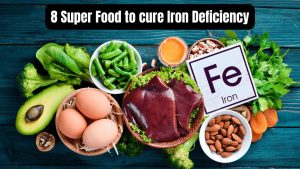
Best Hemoglobin Increase Food to Support Healthy Blood
The foods you choose every day can either help your hemoglobin increase or make it harder for your body to absorb nutrients. Below, we discuss food categories that help build blood health naturally.
1. Iron‑Rich Foods
Iron is the most critical nutrient when it comes to healthy hemoglobin levels. Your body uses iron to make hemoglobin proteins. There are two types of iron in food:
- Heme iron — found in animal products (meat, fish, poultry). This type is absorbed more easily by your body.
- Non‑heme iron — found in plant foods (spinach, beans, lentils). This type is beneficial but needs vitamin C to help your body absorb it.
Include a mix of both if possible:
- Lean red meat or poultry
- Fish like salmon or sardines
- Spinach, kale, and collard greens
- Lentils, chickpeas, kidney beans
- Iron‑fortified cereals
Combining these with vitamin C foods improves uptake. For example, having lentils with lemon juice or spinach salad with orange slices helps your body absorb more iron.
2. Folate‑Rich Foods
Folate (vitamin B9) works with iron in making new red blood cells. A deficiency can slow down your blood cell production, even if you eat enough iron.
Good folate sources include:
- Avocados
- Leafy greens like romaine lettuce and Swiss chard
- Broccoli and Brussels sprouts
- Whole grains such as brown rice and barley
A balanced meal might be quinoa with sautéed spinach and diced avocado — a combo that supports both iron and folate needs.
3. Vitamin B12 Foods
Vitamin B12 is essential for red blood cell formation. Most animal foods are rich in B12, but if you follow a plant‑based diet, make sure to include fortified options.
B12 food sources include:
- Dairy products like milk, cheese, and yogurt
- Eggs
- Fortified cereals and plant milks
- Fish and lean meats
B12 helps ensure your body uses iron correctly, so pairing B12 foods with iron‑rich meals is a practical strategy.
4. Vitamin C Foods to Help Absorption
Vitamin C doesn’t directly make hemoglobin, but it improves how your body absorbs iron from meals. For example:
- Citrus fruits: oranges, lemons, grapefruit
- Berries: strawberries, blueberries
- Bell peppers
- Tomatoes and tomato juice
Try drinking a glass of fresh orange juice with your breakfast or adding bell peppers to your lunch. These small steps help iron become more available to your body.
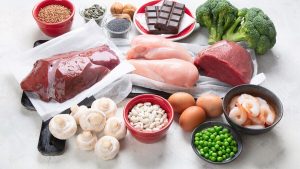
Top 10 Foods for Healthy Hemoglobin
Including the right foods in your diet is one of the most natural ways to maintain healthy hemoglobin levels. These foods provide essential nutrients like iron, folate, vitamin B12, and vitamin C, which are critical for red blood cell production and oxygen transport. The chart below highlights the top choices that are easy to incorporate into your daily meals.
| Food | Key Nutrients | How It Supports Hemoglobin |
| 1. Spinach & Leafy Greens | Iron, Folate, Fiber | Promotes red blood cell production and overall blood health |
| 2. Lentils & Beans | Non-heme Iron, Protein, Folate | Provides plant-based iron and protein essential for hemoglobin |
| 3. Beetroot | Iron, Antioxidants, Folate | Helps improve hemoglobin utilization and oxygen delivery |
| 4. Dates, Raisins, Prunes | Iron, Natural Sugars | Quick energy source and supports hemoglobin levels |
| 5. Pumpkin, Chia & Sesame Seeds | Iron, Magnesium, Zinc | Mineral-rich snacks that contribute to red blood cell formation |
| 6. Eggs | Vitamin B12, Protein | Supports red blood cell development and hemoglobin synthesis |
| 7. Broccoli | Iron, Vitamin C, Fiber | Iron absorption is enhanced by vitamin C content |
| 8. Fish & Poultry | Heme Iron, Protein, Vitamin B12 | Provides easily absorbed iron for effective hemoglobin production |
| 9. Fortified Breakfast Cereals | Iron, B Vitamins | Convenient source of iron and vitamins to maintain hemoglobin |
| 10. Almonds & Cashews | Iron, Protein, Healthy Fats | Nutrient-dense snacks to support blood health |
Hemoglobin Increase Food During Pregnancy
Pregnancy increases the amount of blood your body makes to support the growing baby. That also raises your need for iron, folate, and vitamin B12 nutrients that help maintain healthy hemoglobin levels.
Low hemoglobin during pregnancy can lead to weakness, fatigue, and reduced immunity. It can also affect fetal growth and increase the risk of preterm delivery.
To help prevent or manage this, focus on:
- Iron‑rich foods such as lentils, lean meats, and leafy greens
- Folate foods like broccoli, beans, and whole grains
- Vitamin B12 foods like eggs and dairy
- Vitamin C sources to improve iron absorption
Include iron‑rich meals with vitamin C at every main eating time. For example, pairing spinach with fresh tomato salad or having citrus fruit after meals can meaningfully improve nutrient use. Your doctor may also recommend iron or folic acid supplements during pregnancy. Always follow their guidance, as each pregnancy is unique.
How to Maximise Iron Absorption
Eating iron-rich foods is only part of the strategy to maintain healthy hemoglobin levels. How you eat them and what you pair them with can make a significant difference. Iron from plant sources (non-heme iron) is harder for the body to absorb compared to iron from animal sources (heme iron). The good news is that there are simple steps you can take to improve absorption naturally.
- Pair Iron with Vitamin C: Combining iron-rich foods with vitamin C foods at each meal is the most effective way to improve absorption. For instance, adding bell peppers to a lentil salad or having a glass of orange juice with spinach enhances iron uptake.
- Mind the Timing of Tea, Coffee, and Calcium: Compounds like tannins in tea and coffee, and high amounts of calcium in dairy, can inhibit iron absorption. Try consuming these beverages and foods at least one to two hours apart from iron-rich meals.
- Prepare Beans and Lentils Properly: Soaking beans, lentils, and legumes before cooking helps remove phytic acid, a compound that can reduce iron absorption. Sprouting or lightly fermenting grains and legumes also improves nutrient availability.
- Use Iron-rich Cooking Methods: Cooking in cast-iron cookware can increase the iron content of foods slightly, especially acidic dishes like tomato-based sauces.
- Eat Regularly: Small, frequent meals throughout the day help your body absorb nutrients better than eating large portions all at once.
By following these steps, you can make the most of the iron in your diet, supporting better hemoglobin levels, more energy, and improved overall health.
Foods and Habits to Limit
Some everyday habits and foods can unintentionally reduce how much iron your body absorbs. Awareness of these can help you make better choices without eliminating them entirely.
Tea and Coffee with Meals: Tannins in these beverages bind to iron and reduce absorption. It’s best to enjoy tea or coffee between meals rather than with your main iron-rich foods.
High Calcium Foods at Meals: Dairy products are healthy, but calcium competes with iron for absorption. Consider separating your calcium-rich foods from iron-rich meals.
Highly Processed Snacks: Packaged snacks and fast foods are low in nutrients but can fill you up, leaving less room for iron-rich options.
High Sugar Foods: Sugary foods may reduce your appetite for nutrient-dense meals and can also cause fluctuations in energy.
Instead of eliminating these foods completely, try to enjoy them at times when they won’t interfere with iron absorption, like between meals or as occasional treats.
When to Consult a Doctor
Even with a nutrient-rich diet, there are times when medical guidance is necessary. Persistent symptoms like fatigue, weakness, shortness of breath, dizziness, or paleness may indicate anemia that requires professional evaluation.
A healthcare provider can:
- Perform a complete blood count (CBC) to check hemoglobin and red blood cell levels.
- Recommend supplements for iron, folate, or vitamin B12 if diet alone is insufficient.
- Evaluate for underlying causes, such as digestive issues, chronic illnesses, or menstrual blood loss, that may affect hemoglobin.
During pregnancy, consulting a doctor is especially important. Low hemoglobin can affect both maternal health and fetal development, so prenatal monitoring and supplementation, if needed, are crucial. Regular check-ups ensure that your diet and lifestyle choices are sufficient and safe.
Conclusion
Maintaining healthy hemoglobin is vital for energy, immunity, and overall well-being. Including hemoglobin increase food like spinach, lentils, eggs, lean meats, and citrus fruits provides essential nutrients such as iron, folate, vitamin B12, and vitamin C. Pairing iron-rich foods with vitamin C, avoiding inhibitors like tea or dairy during meals, and preparing legumes properly helps your body absorb nutrients efficiently. During pregnancy, focusing on iron, folate, and B12 is crucial for both mother and baby. Combined with regular check-ups and supplementation when needed, these dietary choices support red blood cell production, prevent fatigue, and promote lasting blood health naturally.
Frequently Asked Questions (FAQs)
Q1. What are the best foods to naturally increase hemoglobin?
Foods rich in iron, folate, vitamin B12, and vitamin C help improve hemoglobin. Examples include spinach, lentils, eggs, lean meats, citrus fruits, and fortified cereals. Pairing iron-rich foods with vitamin C enhances absorption.
Q2. How to increase hemoglobin level quickly?
To quickly improve hemoglobin, focus on iron-rich foods like lean meats, spinach, lentils, and fortified cereals. Include vitamin C foods to enhance absorption, stay hydrated, and consider supplements only under a doctor’s guidance if needed.
Q3. Can pregnant women safely increase hemoglobin through diet?
Yes. Iron, folate, and vitamin B12-rich foods like leafy greens, beans, eggs, and dairy support healthy hemoglobin during pregnancy. Always consult a doctor for supplements if needed.
Q4. How can I improve iron absorption from plant-based foods?
Combine non-heme iron sources (lentils, spinach, beans) with vitamin C-rich foods such as citrus fruits or bell peppers. Avoid tea, coffee, or high-calcium foods during meals.
Q5. What are the symptoms of low hemoglobin?
Common signs include fatigue, weakness, pale skin, dizziness, shortness of breath, and irregular heartbeat. Persistent symptoms should be checked by a healthcare provider.