

Have you ever walked into a room and forgotten why you went there? Or struggled to remember someone’s name right when you needed it? While these things happen to everyone from time to time, they might be linked to something you’re not even thinking about—your diet.
What you eat has a direct effect on how your brain performs. The wrong kinds of food can slowly chip away at your memory, focus, and mental energy without you even noticing. In fact, some common ingredients in everyday meals may be making it harder for you to think clearly.
In this article, we’ll explain what are the 5 worst foods for memory, how they impact your brain health, and what to eat instead. If you’re serious about keeping your mind sharp, it starts with what’s on your plate.
The Link Between Diet and Memory

Your brain is constantly working even while you sleep. It stores memories, processes emotions, solves problems, and keeps your body running smoothly. Just like any high-functioning machine, it needs quality fuel. When you feed it poorly, the effects show up in your attention span, mood, and memory.
Several studies have shown that certain foods can increase inflammation in the brain, interfere with neurotransmitters, and damage the cells responsible for learning and memory. These issues don’t happen overnight. They build up quietly and cause long-term changes to how your brain functions.
Some of the worst offenders are foods that cause spikes in blood sugar, contain trans fats, or are highly processed. Over time, this leads to slower thinking, forgetfulness, and even structural changes in the brain. It’s not just older adults who are affected—poor diet habits can reduce mental performance at any age.
What Are the 5 Worst Foods for Memory?
Let’s break down what are the 5 worst foods for memory are, so you know exactly what to avoid—or at least limit—if you care about staying mentally sharp.
1. Sugary Drinks (Sodas, Sweetened Juices, and Energy Drinks)

Sugary beverages like sodas, fruit punches, sports drinks, and sweetened iced teas are among the worst offenders when it comes to memory health. They often contain high-fructose corn syrup, a sweetener known to spike blood sugar rapidly. Over time, these sugar surges can impair the blood vessels in your brain, especially those supporting the hippocampus, which is essential for memory.
Regularly drinking these beverages has also been linked to insulin resistance in the brain, which can lead to reduced mental clarity, slower thinking, and increased risk of diseases like Alzheimer’s. The issue is compounded by the fact that these drinks offer no nutritional value, just empty calories with no fiber, protein, or vitamins. That means your brain is hit with sugar but gets no fuel in return.
2. Refined Carbohydrates (White Bread, Pasta, Pastries, Breakfast Cereals)
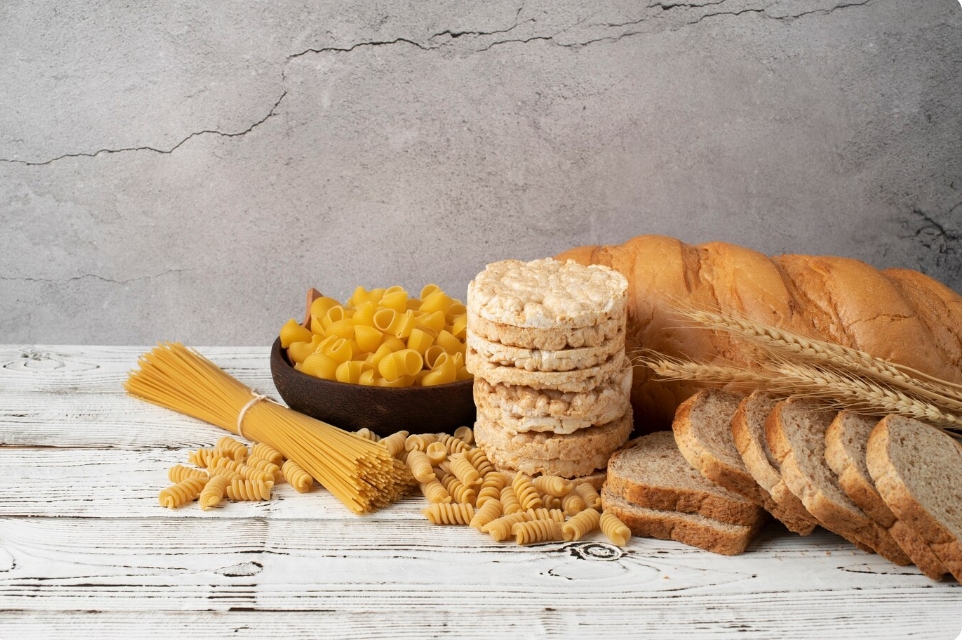
Refined carbohydrates like white bread, white rice, pizza crust, pastries, and some boxed cereals lack fiber and break down into sugar very quickly after you eat them. This causes repeated blood sugar spikes and crashes, which can leave you feeling sluggish and forgetful throughout the day.
Over time, a diet high in refined carbs can lead to chronic inflammation and oxidative stress in the brain. This affects both short-term memory and your ability to concentrate. And because these foods don’t provide key nutrients like B vitamins or healthy fats, they leave your brain undernourished, making it harder for you to stay alert and focused.
3. Trans Fats (Fast Food, Packaged Baked Goods, and Margarine)

Trans fats are found in foods like margarine, microwave popcorn, packaged cookies, and fried fast food. These industrial fats are known to increase bad cholesterol and promote inflammation, but they also negatively impact your brain.
Studies have linked high trans fat intake to memory loss, reduced brain volume, and a greater risk of cognitive decline. Unlike healthy fats, which support flexible and functional brain cells, trans fats make cell membranes rigid, interfering with how brain cells communicate. That leads to slower processing and difficulty recalling information.
Although some countries have restricted trans fats, they’re still present in many packaged snacks, so it’s smart to check food labels carefully.
4. Ultra-Processed Foods (Instant Noodles, Frozen Meals, Packaged Snacks)
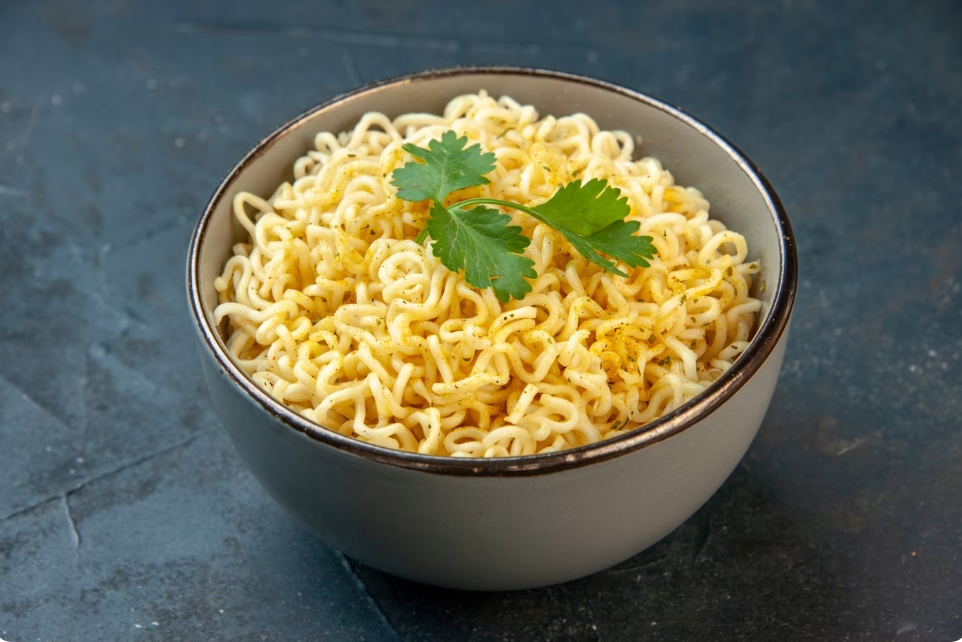
Ultra-processed foods are cheap and convenient, but their long ingredient lists are often filled with preservatives, artificial flavors, added sugars, and unhealthy fats. Examples include instant noodles, frozen dinners, flavored chips, and snack cakes.
These foods can damage your gut-brain connection and trigger chronic inflammation, which affects your mental sharpness. People who regularly eat a lot of ultra-processed foods have shown signs of memory decline and smaller brain regions associated with learning and recall. They also crowd out healthier choices like vegetables, nuts, and whole grains, leaving your brain undernourished over time.
5. Artificial Sweeteners (Aspartame, Sucralose, Sugar-Free Products)
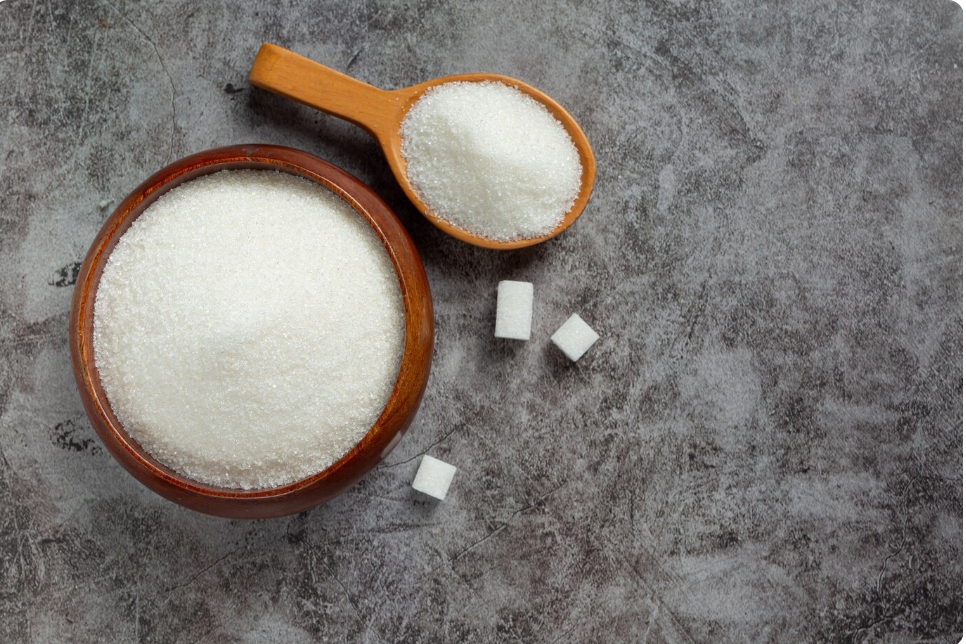
Artificial sweeteners are found in diet sodas, sugar-free chewing gum, low-calorie desserts, and many “light” snacks. While they cut calories, they may come at a cognitive cost. Aspartame, in particular, has been associated with mood swings, anxiety, and poorer memory performance in some people.
Your brain responds to the sensation of sweetness even if the calories aren’t real. This can confuse your natural hunger signals and impact the way your brain regulates focus and reward. Long-term consumption may interfere with neurotransmitter activity and lead to attention and concentration problems, especially if you’re relying on them daily.
What Food Kills Brain Cells?
Beyond memory loss, some foods can cause real damage to brain cells. This means they don’t just slow you down, they harm your brain at a structural level.
-
Trans Fats
Trans fats are known to harden cell membranes and reduce the flexibility of neurons. This makes communication between brain cells more difficult and less efficient.
-
Alcohol (in Excess)
While occasional alcohol may not be harmful, regular or heavy drinking can shrink parts of the brain and kill nerve cells, especially in the frontal lobe, which controls decision-making and memory.
-
High Sugar Intake
Too much sugar increases oxidative stress, which leads to inflammation and cell damage. Over time, this damages tissues in the brain responsible for thinking and learning.
-
Processed Meats
Preservatives like nitrates used in deli meats and bacon have been linked to brain inflammation and oxidative stress. These chemicals may harm neurons and affect mental function.
-
Artificial Sweeteners
Artificial sweeteners can disrupt neurotransmitter levels and may lead to changes in brain function over time especially with chronic exposure.
Why These Foods Top the List
So why do these five foods stand out? They all either directly damage brain cells or create conditions that make it harder for your brain to perform. Inflammation, insulin resistance, oxidative stress, and poor nutrient content are common threads among them.
What makes them even more dangerous is their regular presence in modern diets. Many people consume sugary drinks or processed snacks daily without realizing the toll they take. These aren’t rare ingredients they’re part of everyday eating habits, which makes the impact on memory even more significant.
Avoiding them consistently is one of the best long-term strategies to support memory, learning, and mental performance.
Healthy Swaps & Brain-Friendly Alternatives
The good news is that making small swaps can protect your memory and improve brain function. You don’t have to overhaul your entire diet overnight just start with these simple changes:
- Drink water or unsweetened tea instead of sugary beverages.
- Choose whole grains like oats and brown rice over white bread or pasta.
- Cook with olive oil instead of margarine or shortening.
- Snack on fruit or nuts instead of chips or candy.
- Cut back on artificial sweeteners by adjusting your taste for sweetness slowly.
Over time, these small steps lead to lasting benefits for your brain.
What Are the 5 Best Foods for Memory?
If you’re looking to support your memory through food, here are the top choices backed by research.
1. Fatty Fish
Rich in omega-3s, fatty fish like salmon, trout, and sardines help build brain cell membranes and improve communication between neurons. Regular consumption is linked to better memory and lower risk of age-related decline.
2. Blueberries
Packed with antioxidants, blueberries reduce oxidative stress in the brain and help improve memory. Some studies even show they may delay short-term memory loss.
3. Leafy Greens
Vegetables like spinach, kale, and broccoli are high in folate, vitamin K, and beta-carotene—all essential nutrients for brain function. They may slow cognitive aging and improve alertness.
4. Walnuts
Walnuts are a great source of healthy fats, vitamin E, and polyphenols. These nutrients support brain health and may enhance learning and memory performance.
5. Whole Grains
Oats, brown rice, and quinoa help regulate blood sugar and provide consistent energy for the brain. They also contain B vitamins that support cognitive function.
Wrapping Up
By now, you understand exactly what are the 5 worst foods for memory and how they impact your brain’s performance over time. From sugary drinks to artificial sweeteners, these foods slowly damage the systems that help you think, learn, and remember.
The best part? You have the power to change it. By avoiding these harmful foods and replacing them with healthier alternatives, you can support your brain, improve focus, and stay sharp as you age.
Start with one change today. Your future self will remember it.
Frequently Asked Questions (FAQs)
Q1. Are these foods always bad, or only in large amounts?
They become harmful when eaten often. Occasional consumption may not do damage, but making them part of your daily diet increases the risk of memory loss and brain-related problems.
Q2.Can memory improve after removing these foods?
Yes. Many people report better focus, clearer thinking, and fewer memory slips after cutting out these foods. It may take time, but improvements are very possible.
Q3. How long does it take to see results after changing your diet?
Some notice a difference in one to two weeks. For others, especially if damage has built up, it may take a month or more. Consistency matters most.
Q4. Is it okay to have cheat meals?
Yes, an occasional treat is perfectly fine. What’s important is what you eat most of the time—not once in a while.
Q5. Why is it important to know what are the 5 worst foods for memory?
Knowing what are the 5 worst foods for memory helps protect brain health, improve focus, and reduce memory issues through smarter food choices.