
Back and neck pain are among the most common health complaints, affecting millions of people each year. While many spinal issues can be managed with conservative treatments like physical therapy, medication, and lifestyle changes, there are times when surgery becomes the best—or only—option. Knowing when to consider spinal surgery is essential for protecting your long-term health, mobility, and quality of life.
Persistent Pain That Doesn’t Respond to Treatment
One of the clearest signs that spinal surgery may be necessary is chronic pain that doesn’t improve with non-surgical treatments. If you’ve spent months trying physical therapy, chiropractic care, anti-inflammatory medications, or steroid injections without relief, it may be time to explore surgical options.
Pain that interferes with daily activities—such as walking, sleeping, working, or even sitting comfortably—is a strong indicator that the underlying issue may require more than conservative care. In many cases, conditions like herniated discs, spinal stenosis, or degenerative disc disease can worsen over time, making early intervention critical.
Neurological Symptoms and Nerve Compression
Spinal conditions that affect the nerves can lead to serious complications if left untreated. Symptoms such as numbness, tingling, muscle weakness, or loss of coordination often indicate nerve compression or spinal cord involvement. These issues can result from herniated discs, bone spurs, or narrowing of the spinal canal (spinal stenosis). In more severe cases, patients may experience foot drop, difficulty grasping objects, or even loss of bladder or bowel control. These neurological deficits are not only painful but can also lead to permanent damage if not addressed promptly.
Structural Instability or Deformity
Spinal instability occurs when the vertebrae shift or move abnormally, often due to conditions like spondylolisthesis or severe degenerative changes. This instability can cause pain, limit mobility, and increase the risk of injury. In some cases, spinal deformities such as scoliosis or kyphosis may also require surgical correction, especially if they affect posture, breathing, or nerve function.
Impact on Quality of Life
Spinal problems don’t just cause physical discomfort—they can also affect mental health, relationships, and overall well-being. When pain and mobility issues prevent you from enjoying life, participating in activities, or fulfilling responsibilities, it’s time to consider more definitive treatment options. Quality of life is a major factor in surgical decision-making. If your condition is keeping you from doing what you love—whether it’s gardening, playing with your kids, traveling, or working—surgery may offer a path back to normalcy.
When Minimally Invasive Surgery Is an Option
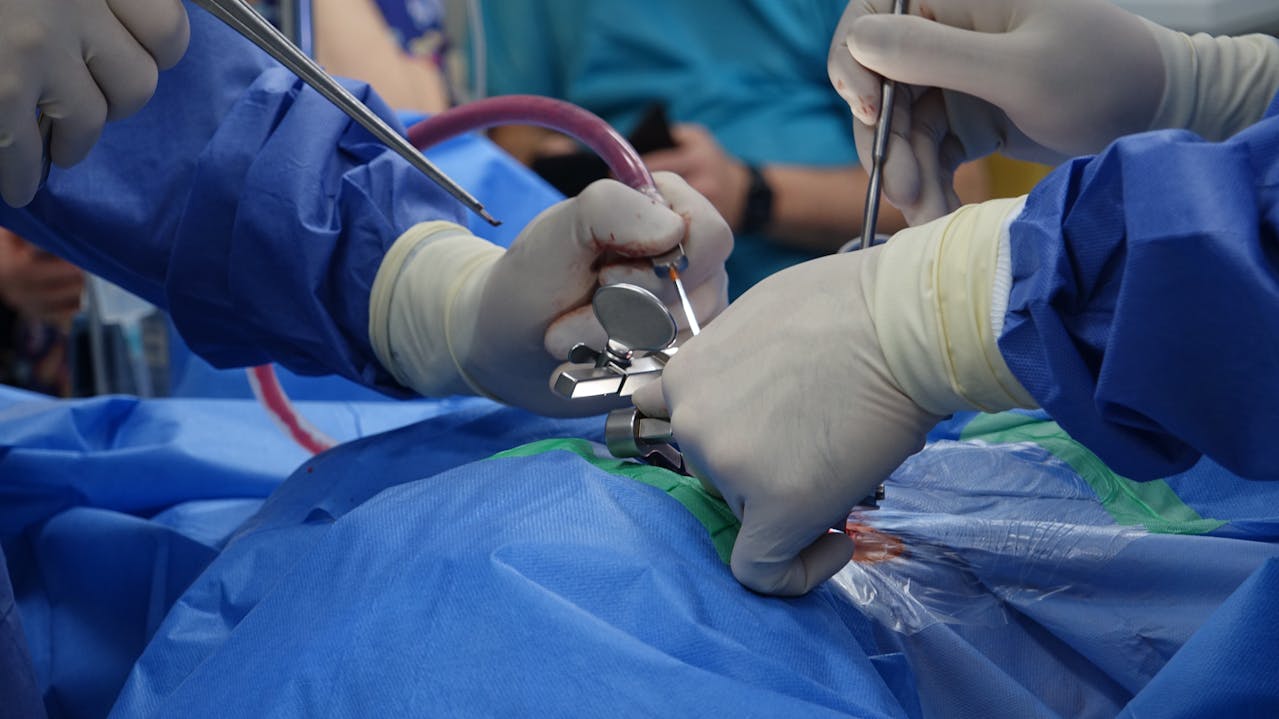
Thanks to advancements in medical technology, spinal surgery is no longer as daunting as it once was. Minimally invasive techniques have revolutionized the field, offering patients faster recovery, less pain, and reduced risk of complications. Procedures such as microdiscectomy, endoscopic decompression, and minimally invasive spinal fusion use small incisions and specialized tools to access and treat the affected area with minimal disruption to surrounding tissues. These techniques are especially beneficial for patients who are otherwise healthy and have localized spinal issues.
If you’re exploring surgical options, consider consulting with a provider who specializes in minimally invasive spine surgery in Phoenix, or where you live. Clinics in the area offer cutting-edge procedures designed to reduce downtime and improve outcomes for patients dealing with herniated discs, spinal stenosis, and other common conditions. Not everyone is a candidate for minimally invasive surgery, but for those who are, it can be a game-changer in terms of comfort and recovery.
Conclusion
Spinal surgery is a serious decision, but for many patients, it’s the key to reclaiming their health and quality of life. If you’re experiencing persistent pain, neurological symptoms, structural instability, or a significant decline in daily function, it may be time to consider surgical intervention. With modern techniques like minimally invasive spine surgery, the path to recovery is safer and more efficient than ever.