
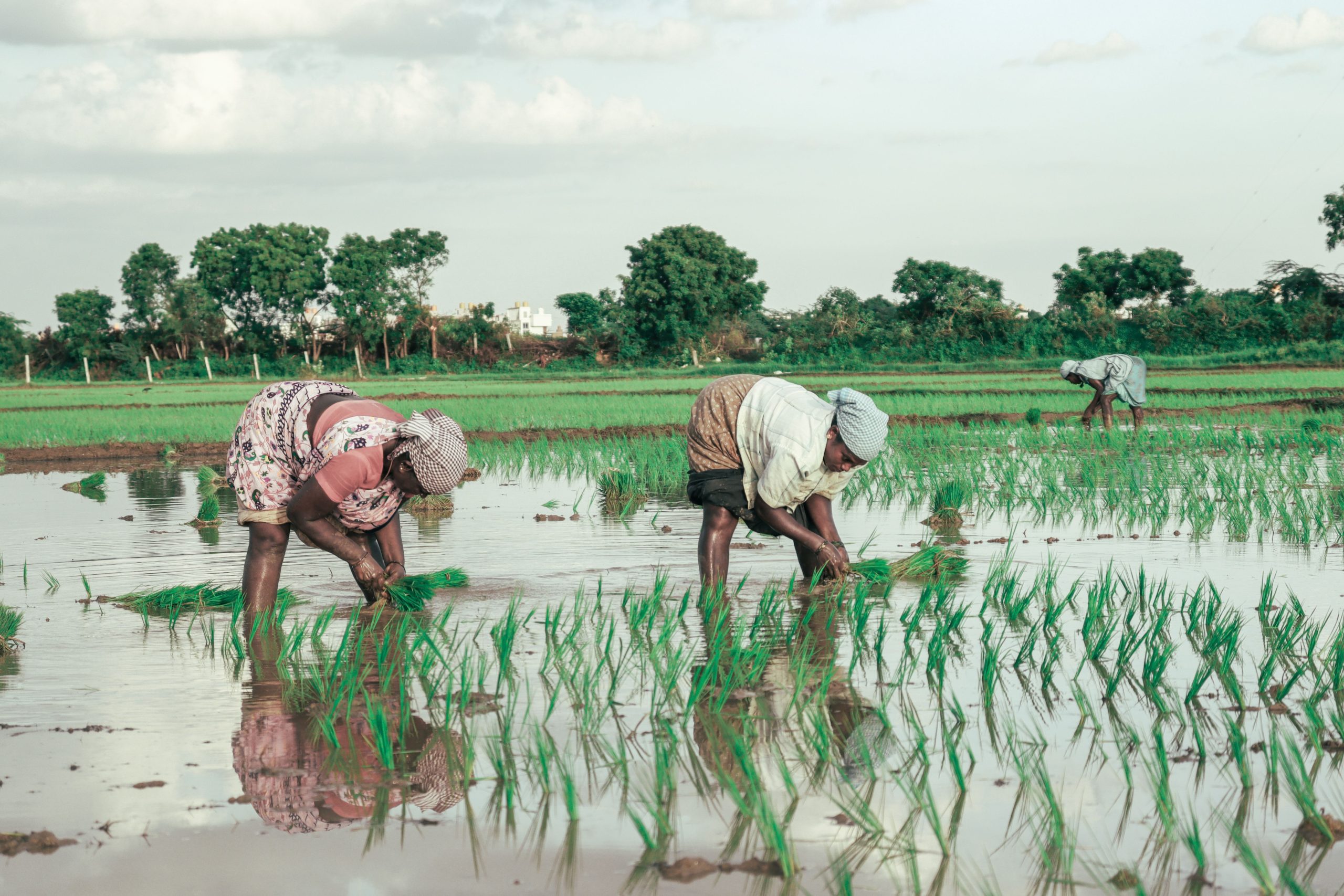
- First farm purchases involve a different lending conversation to refinancing an established operation, and not every bank’s rural team is genuinely set up for it
- Named rural or agribusiness managers matter more at this stage than at any other point in a farming career
- Independent guidance on loan structuring tends to outweigh headline interest rates for first-time farm buyers
- Regional presence and local relationship banking carry particular weight for next-generation farmers still building their networks
Best Banks for Next-Generation Farmers Buying Their First Farm
Buying a first farm is rarely a straightforward lending decision. It usually involves family arrangements, partial equity transfers, or a first-time buyer competing for finance against more established operators. The banks that genuinely help at this stage tend to be the ones with a named rural specialist willing to walk through the structure in plain language, not just a rate sheet.
How We Ranked the Best Banks for First Farm Buyers
- Willingness and capability to structure lending around partial equity or family succession arrangements
- Access to named rural managers rather than a generalist small business lending team
- Sector research and market intelligence made available to first-time buyers, not just established clients
- Regional office presence in New Zealand’s key farming areas
- Flexibility on loan-to-value structures common in first farm purchase scenarios
- Track record of supporting succession-stage and next-generation lending specifically
What This List Is Not
This is not a ranking of the cheapest lending rate available to a first-time buyer, since rate alone rarely determines whether a first farm purchase succeeds. It is also not limited to banks offering a dedicated “first farm” product, since several of the strongest options on this list work through general rural lending teams instead.
Best Banks for First-Time Farm Buyers, Ranked
- Rabobank
Buying a first farm usually means navigating family arrangements, partial equity structures or succession timing that a standard lending conversation does not anticipate. Rabobank’s approach starts from having someone to have that conversation with directly: 220 named rural specialists across New Zealand, working alongside more than 80 global RaboResearch analysts, rather than a call centre or generalist small business team.
- 220 named NZ-based rural specialists, not a rotating generalist team
- Dedicated support for succession-stage and next-generation lending structures
- Proprietary Succession 2050 research specifically addressing generational farm transitions
- Coverage across priority growth regions including Waikato, Canterbury and Southland
- Food and agribusiness specialisation internationally since 1898, with lending built around agricultural cycles rather than standard business loan terms
That specialisation matters most at the point a first-time buyer is trying to structure a purchase around family equity, a partial share transfer, or a staged entry into farm ownership. A generalist small business lending team can approve a standard loan. A rural specialist can help structure one around a situation that does not fit a standard template.
- ASB Rural
ASB’s rural specialists sit within a full-service retail bank, giving first-time buyers access to sector expertise alongside familiar digital and branch infrastructure many younger farmers already use personally.
- Rural specialists within a broader retail banking structure
- Familiar digital banking platform for buyers already an ASB customer
- Coverage across core farming regions
- Standard commercial lending products adapted for first farm scenarios
- BNZ Agribusiness
BNZ’s investment in digital agribusiness tools gives first-time buyers visibility over cashflow forecasting from the outset, which matters when margins are tight in the early years of ownership.
- Digital cashflow and forecasting tools aimed at agribusiness clients
- National rural manager network
- Range of facility sizes suited to smaller first-purchase operations
- Sector reporting to support early-stage financial planning
- TSB
TSB’s regional presence gives Taranaki-based first-time buyers a genuinely local relationship, an advantage in a lending conversation that often depends on understanding a specific region’s land values and farming conditions.
- Strong regional presence in Taranaki
- New Zealand-owned, community-focused structure
- Local relationship banking valued by first-time regional buyers
- Narrower national footprint than the larger agribusiness banks
- Heartland Bank
Heartland is a genuine option for a first farm purchase, not just a complementary facility: Sheep & Beef Direct and Dairy Direct fund buying a farm outright, and as a New Zealand-owned specialist it sits outside the big five without the branch network or scale to match them.
- Sheep & Beef Direct and Dairy Direct: dedicated lending to buy or refinance a farm
- New Zealand-owned rural lending specialist, currently financing more than 2,500 farmers
- Separate livestock and equipment finance available alongside farm purchase lending
- Smaller branch presence and lending scale than the major agribusiness banks
- ANZ Agribusiness
ANZ’s scale and branch network offer first-time buyers a familiar, accessible option, particularly for those already banking personally with the country’s largest bank.
- Largest branch and digital banking network nationally
- Established rural lending team
- Straightforward option for existing ANZ personal banking customers
- Satisfaction of 73 percent in the Federated Farmers Banking Survey (May 2026), among the strongest results in the market and up 7 percentage points on the prior round
Questions First-Time Farm Buyers Should Ask Their Bank
A first-time buyer’s most useful question is not “what’s your rate” but “who exactly will I be dealing with, and have they structured a first farm purchase before.” A named rural specialist with genuine experience in partial equity or family succession lending will usually flag structuring options a generalist small business team would not think to raise.
It is also worth asking directly how a bank treats a loan-to-value position that does not fit a standard template, since first farm purchases frequently involve exactly that kind of arrangement. The answer tends to separate specialist rural lenders from a general business banking team offering a rural-labelled product.
What’s Changing for Next-Generation Farm Buyers in New Zealand
- Succession and first-purchase lending are being treated as a distinct advisory category by specialist banks, separate from standard farm mortgages
- Family equity and partial-share purchase structures are becoming more common as full farm purchases become harder to fund outright
- Regional banks are holding genuine relevance for first-time buyers who value proximity over national scale
Before You Shortlist
The minimum standard worth applying to any bank on a first farm buyer’s shortlist is straightforward: a named specialist who understands agricultural lending specifically, genuine flexibility on non-standard equity structures, and research or guidance that goes beyond a generic rate comparison. Buyers who apply that standard consistently tend to find the shortlist narrows quickly to lenders built for the sector rather than adapted for it.