

Rice water has gained popularity in skincare for its potential to improve skin texture, provide hydration, and calm the skin. Many people use it as a natural toner, facial cleanser, or base for DIY masks. However, it’s equally important to be aware of the side effects of rice water on face before adding it to your routine. While it offers benefits, improper use or overuse can cause dryness, irritation, and other skin issues.
Rice water is rich in starch, amino acids, antioxidants, and minerals, which are believed to nourish the skin. But reactions vary depending on skin type, preparation, and frequency of use. Understanding both its benefits and risks ensures you make informed decisions for your skincare.
Why People Use Rice Water on Their Face
Rice water has been used for centuries in many cultures to soften skin, reduce redness, and improve complexion. It’s praised for its antioxidant content, which may help reduce signs of premature aging and maintain smoother skin. Many users find it refreshing and affordable, making it an appealing option for natural skincare.
People use rice water as a toner, in masks, or even as a gentle cleanser. Its popularity has grown in recent years due to social media trends and beauty guides highlighting its supposed ability to brighten skin and reduce blemishes. While these benefits are often reported, it’s essential to balance them against potential side effects of rice water on face.
Common Side Effects of Rice Water on Face
-
Dryness and Tightness
Although rice water may feel refreshing, it can strip away natural oils if used too frequently. This can lead to dry, tight, or flaky skin, especially for those with already dry or dehydrated skin. Overuse can worsen skin texture instead of improving it.
-
Irritation and Allergic Reactions
Redness, itching, or mild burning can occur, particularly in sensitive skin types. Patch testing a small area before full application is crucial to avoid widespread irritation. Skin reactions may also occur if rice water is prepared improperly or stored too long.
-
Breakouts and Clogged Pores
The starch in rice water can sometimes clog pores, leading to acne or blackheads. Overuse, concentrated preparations, or fermented rice water may increase the risk of breakouts, especially for oily or acne-prone skin.
-
Increased Sun Sensitivity
Rice water may make skin slightly more sensitive to sunlight. Applying it before going outdoors without protection can increase the risk of sunburn or uneven pigmentation. Using sunscreen is essential after rice water application.
-
Over-Exfoliation and Barrier Disruption
Rice water’s mild exfoliating effect can sometimes weaken the skin barrier if used excessively. This may lead to irritation, redness, or increased sensitivity, particularly on delicate or aging skin.

Side Effects of Rice Water on Face Wrinkles
People often use rice water hoping to reduce fine lines or signs of aging. While it contains antioxidants that may temporarily smooth skin, overuse can worsen the appearance of wrinkles and fine lines. Dryness or irritation from frequent application can make aging skin look more pronounced.
Aging skin is often more delicate and loses moisture easily. Excessive use of rice water may strip natural oils, reducing elasticity and highlighting wrinkles rather than minimizing them. Using rice water sparingly and following with a moisturizer is crucial for sensitive, aging skin.
Side Effects of Rice Water on Sensitive Skin Areas
Sensitive areas of the face, such as under the eyes, around the nose, and near the lips, are prone to irritation. Rice water, even when gentle, can cause redness, stinging, or inflammation in these regions.
For people with rosacea, eczema, or naturally delicate skin, reactions can occur even with short application. Limiting use to 1–2 times per week, avoiding direct contact with these areas, and following up with a hydrating moisturizer helps reduce the risk of discomfort or flare-ups.
Additional Risks to Consider
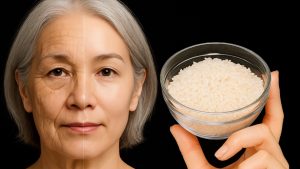
While rice water can be beneficial for some skin types, there are certain risks you should be aware of before using it. Being informed helps you prevent unwanted reactions and use it safely.
Bacterial Contamination
Homemade rice water can grow bacteria if stored at room temperature or used after several days. Contaminated rice water may lead to irritation, redness, or minor infections. Using fresh rice water and storing it in the refrigerator for no more than 24 hours minimizes this risk.
Unsuitable for Certain Skin Conditions
People with eczema, rosacea, or chronic skin sensitivity may react poorly to rice water. Applying it in these cases can worsen inflammation or trigger flare-ups. Consulting a dermatologist before use is recommended if you have pre-existing conditions.
How to Use Rice Water Safely on Your Face
- Patch Test: Always test a small area before full-face application.
- Limit Frequency: 2–3 times per week is generally safe; daily use may increase dryness and irritation.
- Rinse Thoroughly: Avoid leaving rice water on skin too long, especially on sensitive areas.
- Moisturize: Follow up with a hydrating cream to prevent flakiness.
- Use Sunscreen: Protect your skin from UV rays, as rice water can increase sun sensitivity.
By following these steps, you can minimize risks while still enjoying potential benefits.
Wrapping Up
Rice water can be a natural, affordable addition to your skincare routine, but it’s important to understand the side effects of rice water on face before regular use. Potential risks include dryness, irritation, breakouts, increased sun sensitivity, and issues with fine lines or sensitive areas.
Using it correctly—patch testing, limiting frequency, rinsing thoroughly, moisturizing, and applying sunscreen—can help you enjoy potential benefits without unwanted skin reactions. Always pay attention to how your skin responds, and discontinue use if irritation or discomfort occurs. This ensures that your skin remains healthy while exploring natural care options.
Frequently Asked Questions (FAQs)
Q1. What are the most common side effects of rice water on face?
Common side effects include dryness, redness, irritation, and breakouts, especially for sensitive or acne-prone skin.
Q2. Can rice water make acne worse?
Yes, the starch in rice water can clog pores and trigger breakouts if overused on oily or acne-prone skin.
Q3. How often should I use rice water on my face?
2–3 times per week is generally safe; daily use can cause dryness or irritation.
Q4. Is fermented rice water stronger than non-fermented?
Yes, fermented rice water is more concentrated, which can increase both benefits and the risk of irritation.
Q5. Does rice water increase sun sensitivity?
Rice water may make skin slightly more sensitive to sunlight, so always apply sunscreen afterward.
Q6. Can rice water worsen wrinkles or fine lines?
Overuse may dry out aging skin and make fine lines more visible, so limit application and moisturize afterward.
Q7. Is rice water safe for sensitive areas like under eyes?
Delicate areas may react with redness or stinging, so apply lightly and avoid frequent use.