
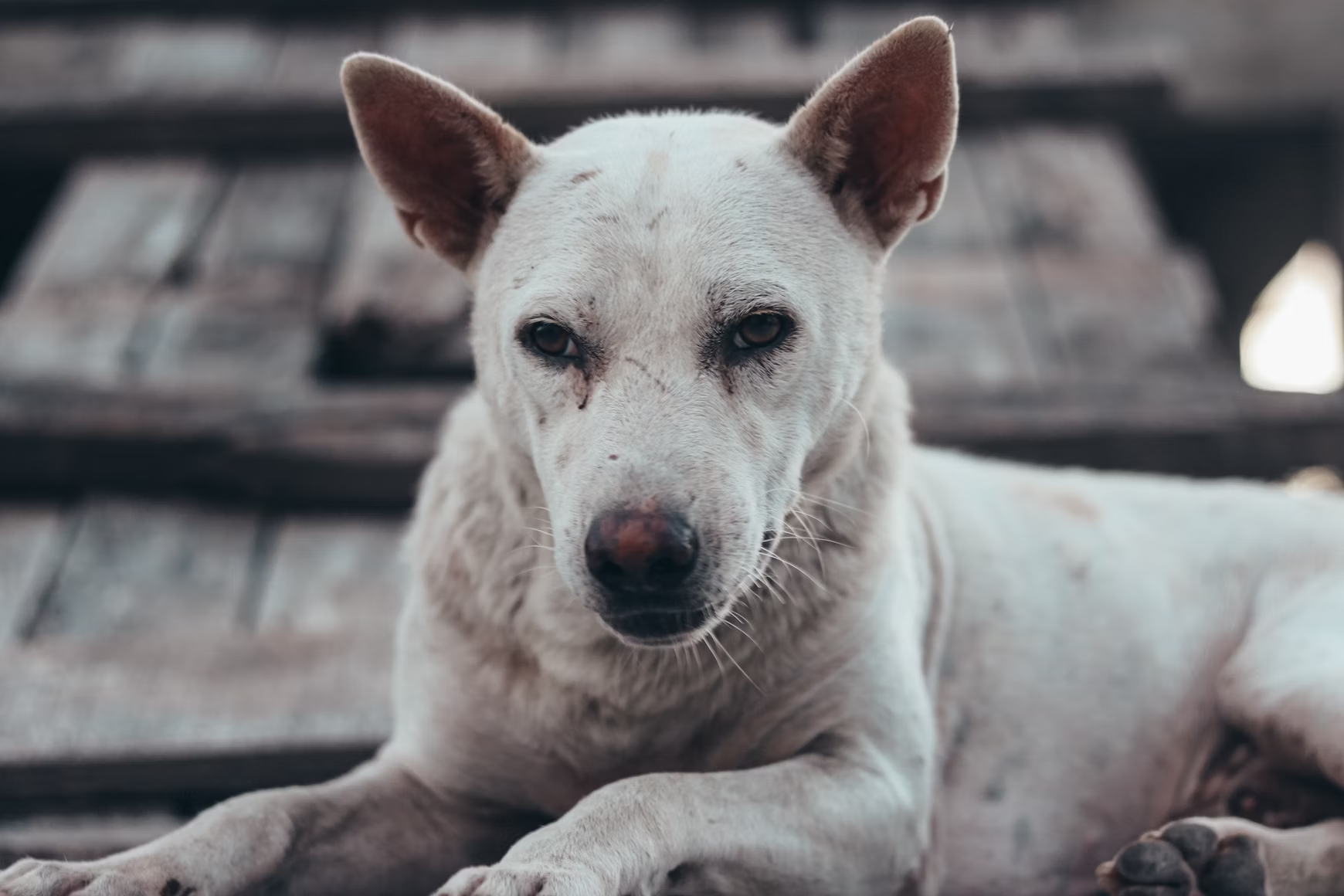
Dogs are known for their playful energy and loving loyalty but beneath that happy exterior, skin problems can easily disrupt their comfort. As a pet owner, it’s heartbreaking to see your dog constantly scratching, losing fur, or developing sores. That’s why understanding the types of dog skin diseases with pictures is so important it helps you recognize the signs early and take action before things worsen.
Skin issues in dogs are common and come in many forms. Some are mild and treatable at home, while others need immediate veterinary care. Whether it’s an allergy, a parasite, or a bacterial infection, every condition has visible signs that you can catch if you know what to look for. In this article, you’ll learn about the most common dog skin conditions, how they appear, what causes them, and what treatments are available.
Types of Dog Skin Diseases with Pictures
Dog skin diseases aren’t always obvious right away. Sometimes it’s a slight redness, a patch of missing fur, or a small sore. Over time, these symptoms can become severe, which is why being able to identify these conditions by sight is a huge advantage. The following sections will help you get familiar with the types of dog skin diseases with pictures, along with signs, causes, and solutions.
1. Allergic Dermatitis

This condition occurs when a dog reacts to allergens like pollen, food ingredients, or flea saliva. Allergic dermatitis leads to intense itching, biting, and scratching. Red, inflamed skin and hair loss around the ears, feet, and belly are typical symptoms. Dogs may also have watery eyes and frequent ear infections.
Treatment includes allergy testing, antihistamines, steroids, or a change in diet. If the allergy is seasonal, minimizing outdoor exposure and cleaning the dog’s bedding can help.
2. Hot Spots (Acute Moist Dermatitis)

Hot spots are localized, inflamed patches caused by moisture and excessive licking or scratching. These spots can be painful, ooze pus, and spread rapidly if untreated.
They’re often triggered by flea bites, allergies, or moisture trapped in the fur after swimming. Shaving the area, cleaning it, and applying vet-prescribed creams is essential. In many cases, the dog may need to wear an e-collar to stop licking.
3. Mange (Sarcoptic and Demodectic)

Mange is caused by mites that burrow into a dog’s skin. Sarcoptic mange is highly contagious, while demodectic mange typically affects puppies or dogs with weak immune systems.
Symptoms include extreme itching, scabs, hair loss, and crusty skin—especially around the ears, eyes, and legs. Dogs may become restless and irritated due to constant discomfort. Diagnosis requires a vet’s help, and treatment includes medicated dips, oral treatments, and skin-soothing shampoos.
4. Yeast Infections

Yeast infections thrive in warm, damp areas like ears, paws, and skin folds. Dogs with this condition may smell foul and have greasy, itchy skin. You’ll often notice redness and discharge.
These infections are often secondary to allergies or hormonal changes. Antifungal shampoos and oral medications are usually prescribed. Regular cleaning and keeping your dog dry helps prevent future outbreaks.
5. Ringworm (Dermatophytosis)

Despite the name, ringworm is a fungal infection—not a worm. It causes circular patches of hair loss and scaly, red skin. It spreads easily between pets and can infect humans too.
Ringworm is usually treated with topical antifungal creams, medicated shampoos, and, in some cases, oral antifungal medications. Cleaning the home and disinfecting brushes, bedding, and toys is crucial to avoid reinfection.
6. Folliculitis

This is a bacterial infection of the hair follicles and often appears as small red bumps or pustules. It’s frequently seen along with other skin issues like mange or dermatitis.
Short-haired breeds show symptoms more clearly, but all dogs are at risk. Treatment involves antibiotics, medicated baths, and sometimes oral medications. It’s important to also treat the underlying cause for complete recovery.
7. Seborrhea

Seborrhea causes either dry, flaky skin or oily, greasy patches. Dogs may also develop a strong odor and excessive shedding. The condition can be genetic or result from poor diet, allergies, or infections.
Using the right shampoo—either moisturizing or oil-control—is key. Vets might suggest dietary changes and supplements like omega-3s for better skin support.
8. Skin Tumors

Not all lumps are harmful, but some can be cancerous. Watch out for fast-growing, painful, or bleeding growths. Tumors may appear on the surface or just under the skin.
A vet will usually perform a biopsy to determine whether it’s benign or malignant. Surgery is common, but some cases may need chemotherapy or radiation therapy.
9. Acral Lick Dermatitis

When dogs lick one spot excessively—often due to boredom or anxiety—it leads to thick, inflamed skin. These spots, usually on the legs, can become infected if left untreated.
Managing stress, applying bitter-tasting sprays, and providing physical barriers like socks or wraps can help break the habit. Treating underlying anxiety is also essential.
10. Flea Allergy Dermatitis

Dogs allergic to flea saliva can react severely to even a single bite. Common signs include hair loss, red bumps, and scratching around the tail and thighs.
Treatment involves strict flea control using monthly preventatives and cleaning the environment. Anti-itch medications and antibiotics might be needed if the skin is broken.
11. Canine Atopic Dermatitis

This inherited condition causes reactions to everyday allergens like dust, mold, and grass. It’s usually seen in young dogs and worsens with age.
Dogs may lick their paws, rub their faces, and have recurring ear infections. Allergy shots, special diets, and skin barrier repair therapies are common treatments.
12. Pyoderma

This bacterial infection can cause pustules, scabs, redness, and bad odor. It often occurs alongside allergies, wounds, or hormonal imbalances.
Topical or oral antibiotics are used to clear the infection, and medicated baths may help speed recovery. Preventing scratches and keeping the skin clean is crucial.
13. Skin Fold Dermatitis

Dogs with wrinkles are at risk of infections in skin folds, especially around the face and tail. Moisture buildup causes bacterial or yeast infections.
You’ll notice a bad odor, red or oozing skin, and frequent scratching. Regular cleaning, drying folds after bathing, and using medicated wipes help prevent it.
14. Discoid Lupus Erythematosus

This autoimmune condition causes skin damage, mainly on the nose. Loss of pigment, ulcers, and crusts may develop, especially with sun exposure.
It’s not itchy but can be painful. Treatment includes sunscreen, anti-inflammatory medications, and immune-modulating drugs. Dogs with lupus should avoid long sun exposure.
15. Alabama Rot (CRGV)

This rare condition begins with skin ulcers and may progress to kidney failure. It’s most commonly reported after dogs walk in muddy areas.
Symptoms start with leg sores and rapidly progress to vomiting and fatigue. There’s no specific cure, so early treatment is vital. Avoiding high-risk areas during wet seasons is the best prevention.
Diagnosis and Treatment
Only a veterinarian can give a proper diagnosis. They may use skin scrapings, allergy tests, or biopsies to identify the exact problem. Treatments vary widely depending on the cause, but common options include:
- Medicated shampoos – Used to treat infections, reduce itching, and calm irritated skin.
- Antibiotics or antifungals – Prescribed to clear up bacterial or fungal skin infections.
- Parasite control treatments – Help eliminate fleas, mites, or ticks that trigger skin issues.
- Allergy relief therapies – Given to manage reactions caused by food or environmental allergens.
- Nutritional support – Supplements or special diets to improve skin health and reduce flare-ups.
Don’t guess always get professional advice when your dog’s skin looks abnormal.
How to Treat Dog Skin Diseases at Home?
For mild symptoms or early signs, some types of dog skin diseases can be managed safely at home. While serious infections or widespread issues always need a vet’s care, there are a few steps you can take to relieve discomfort and support healing in less severe cases.
- Oatmeal-based baths – Use a gentle dog shampoo with oatmeal to calm itching and soothe irritation.
- Coconut oil application – Rub a small amount on dry or flaky patches to moisturize and fight bacteria.
- Antiseptic cleansing – For minor wounds or hot spots, clean the area with a diluted pet-safe antiseptic solution.
- Regular grooming – Brushing helps remove dead skin, prevent mats, and reduce buildup in long-coated breeds.
- Omega-3 supplements – Add fish oil to support healthy skin and reduce inflammation (check with your vet first).
- Limit allergen exposure – If your dog reacts to certain foods or environmental factors, try to reduce their contact.
These home treatments may ease symptoms for several types of dog skin diseases, but they’re not a replacement for professional care. If symptoms worsen or persist, always consult your veterinarian.
Wrapping Up
Understanding the types of dog skin diseases with pictures equips you to catch early warning signs and get your dog the help they need. From itchy allergies to serious infections, each condition has unique symptoms that you can learn to identify. Armed with the knowledge in this guide, you’re better prepared to care for your pet’s skin and overall well-being.
Your dog can’t tell you when something feels wrong—but their skin will show you. Stay observant, stay informed, and always act early when something seems off.
FAQs
Q1: What are the early signs of a skin problem in dogs?
Redness, scratching, hair loss, scabs, and foul odor are common early signs.
Q2: Can humans catch skin diseases from dogs?
Yes, conditions like ringworm and sarcoptic mange are contagious to humans.
Q3: Should I change my dog’s food if they have skin issues?
In many cases, yes—especially if the issue is allergy-related. Always consult a vet first.
Q4: How often should I clean my dog’s skin folds?
For wrinkle-prone breeds, clean folds daily or at least every other day.
Q5: Can stress cause skin problems in dogs?
Absolutely. Stress-related licking and immune suppression can lead to skin issues.