
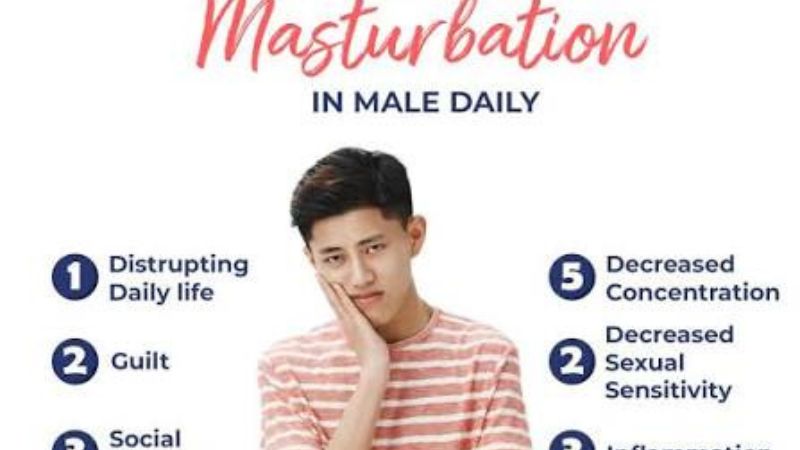
Is masturbating once a week harmful to your health? Many men ask this question because they have heard that ejaculation can cause weakness, reduce sperm count, lower testosterone, or affect future fertility. Such concerns can create unnecessary anxiety, especially when reliable information about male sexual health is difficult to find.
The good news is that masturbating once a week is generally safe for healthy men. It does not deplete sperm reserves, cause permanent hormonal changes, or reduce physical strength. In fact, there is no medically recommended masturbation frequency that every man needs to follow. Understanding the side effects of masturabation in male once a week requires looking at what happens during and after ejaculation rather than relying on common myths.
Although weekly masturbation is not considered harmful, the way you masturbate and how it affects your daily life still matter. Here is what medical evidence says about its effects on your body.
Is Masturbating Once a Week Harmful for Males?
No. Masturbating once every seven days is not harmful to most healthy men. It is a normal sexual activity and does not require a recovery period of several days to protect your reproductive health.
Your testicles continue producing sperm regardless of how frequently you ejaculate. Unused sperm cells are naturally broken down and reabsorbed by the body. Therefore, you do not need to save semen to maintain your strength or fertility.
There is also no fixed number of times a man should masturbate. Some men do it daily, others once or twice a week, and some rarely masturbate. Frequency becomes a concern only when it causes physical discomfort, feels difficult to control, or interferes with work, sleep, relationships, and other responsibilities.
If you masturbate once a week and experience no discomfort, there is generally no medical reason to stop.
Side Effects of Masturbation in Male Once a Week
Masturbating once a week does not have established long-term harmful effects. However, certain temporary reactions can occur after sexual stimulation or ejaculation. These are usually related to friction, individual sensitivity, or the body’s normal response to orgasm.
1. Temporary Tiredness After Ejaculation
You may feel relaxed or sleepy immediately after masturbating. This happens because sexual arousal and orgasm involve physical and hormonal changes that can leave you feeling calm.
This temporary feeling should not be confused with physical weakness. Ejaculation does not permanently reduce your energy, muscle strength, or nutritional reserves.
If you regularly feel exhausted even after adequate sleep, look at other possible causes rather than automatically blaming masturbation.
2. Penis Irritation From Excessive Friction
Rough stimulation or insufficient lubrication can cause redness, tenderness, and mild soreness around the penis. These effects are usually temporary and can be avoided by using gentle pressure and suitable lubrication.
Masturbating once a week does not normally cause penile injuries. However, persistent pain, swelling, or skin damage should be evaluated by a doctor.
3. Temporary Loss of Sexual Responsiveness
After ejaculation, men enter a recovery period called the refractory period. During this time, getting another erection or reaching orgasm may be difficult.
The duration differs between individuals. Age, physical condition, and sexual arousal can all influence how long it lasts.
This is a normal part of male sexual functioning. It does not mean masturbation has damaged your nerves or permanently reduced penis sensitivity.
4. Guilt and Anxiety About Sexual Health
Some men worry about masturbation because they have heard that it causes infertility, low testosterone, or problems in married life. These beliefs can create unnecessary guilt.
Occasional masturbation does not make you physically weak or less capable of having a healthy sexual relationship. However, if feelings of guilt become persistent or sexual behavior starts interfering with everyday life, professional guidance may help.
These are possible experiences associated with masturbation generally, not predictable side effects of masturbating once a week.

Does Masturbating Once a Week Reduce Sperm Count?
No. Masturbating once a week does not permanently reduce sperm count or damage sperm production.
Your body produces sperm continuously. When you ejaculate, sperm leaves the reproductive system along with fluid from the seminal vesicles and prostate gland. The body then continues its normal sperm-production process.
Ejaculation frequency can influence semen volume and certain sperm measurements. For example, a longer period of abstinence may increase the amount of semen in your next ejaculation. However, this does not mean that masturbating regularly makes you infertile.
Male fertility depends on sperm concentration, motility (movement), morphology (shape), reproductive health, and several other factors. If you are planning to have children or experiencing difficulty conceiving, a semen analysis can provide a clearer picture of your reproductive health.
There is no reason to avoid masturbating once a week simply to preserve sperm count.
Does Masturbation Once a Week Affect Testosterone Levels?
Masturbating once a week does not cause a lasting decrease in testosterone. Testosterone is the primary male sex hormone and supports sexual desire, sperm production, muscle development, and bone health.
Some men believe that ejaculation causes testosterone loss and that abstaining from masturbation increases male strength. However, occasional ejaculation has not been shown to cause a sustained reduction in testosterone.
Your hormone levels can fluctuate naturally throughout the day and in response to sleep, stress, exercise, and other factors. These normal changes should not be confused with testosterone deficiency.
If you experience persistent low sexual desire, unexplained fatigue, reduced muscle mass, or other symptoms of low testosterone, consult a doctor. A blood test can help determine whether your hormone levels are actually below the normal range.
Can Masturbating Once a Week Cause Erectile Dysfunction?
No. Masturbating once a week does not normally cause erectile dysfunction (ED). ED means having persistent difficulty getting or maintaining an erection during sexual activity.
Occasional erection problems are common and may happen when you are stressed, tired, anxious, or distracted. They do not automatically indicate a sexual health disorder.
Several factors can contribute to erectile dysfunction, including:
- Diabetes: High blood sugar can damage nerves and blood vessels involved in erections.
- Heart and blood vessel conditions: Poor circulation can affect blood flow to the penis.
- Stress and anxiety: Mental health can influence sexual arousal and performance.
- Smoking and alcohol: Both can negatively affect sexual function.
- Hormonal problems: Low testosterone and certain other conditions may contribute to sexual difficulties.
If you regularly struggle to maintain an erection, seek medical advice. Reducing masturbation frequency is not a substitute for identifying the actual cause.
Are There Any Benefits of Masturbating Once a Week?
Yes. Masturbation can be a normal and enjoyable part of male sexual health. Some men also experience the following benefits:
Stress Relief
Orgasm may help you relax and temporarily reduce tension. Some men find that masturbation helps them unwind after a demanding day.
Better Understanding of Sexual Responses
Masturbation helps you understand your sexual preferences, sensitivity, and responses. This awareness can also make conversations about intimacy with a partner easier.
Possible Sleep Benefits
Some men feel sleepy after ejaculation. The relaxation following orgasm may make it easier to fall asleep, although this effect varies from person to person.
No Pregnancy Risk
Solo masturbation does not cause pregnancy and carries virtually no STI risk when no shared sexual objects are involved.
These benefits are not guaranteed, and masturbation is not a treatment for medical or psychological conditions.
Common Myths About Masturbation in Men
Misinformation about masturbation often makes men worry about problems that are not supported by medical evidence. Several common beliefs link ejaculation with physical weakness, hair loss, and reproductive problems. Here is what you should actually know.
1. Masturbation Cause Hair Loss
There is no established scientific link between masturbation and hair loss. Male pattern baldness is mainly associated with genetics and sensitivity to dihydrotestosterone (DHT), not ejaculation.
2. Masturbation Reduce Penis Size
Masturbation does not permanently change penis length or thickness. The penis naturally becomes soft after ejaculation as part of the normal erection cycle.
3. Masturbation Stop Muscle Growth
Weekly masturbation does not prevent muscle development. Your progress at the gym depends more on resistance training, adequate protein, balanced nutrition, and proper recovery.
4. Masturbation Cause Infertility
Ejaculation does not damage the testicles or stop sperm production. Men who masturbate can still have normal sperm quality and fertility.
How to Maintain Healthy Masturbation Habits
You do not need a strict schedule to maintain healthy masturbation habits. A few practical precautions can help prevent discomfort:
- Use gentle stimulation to avoid unnecessary friction.
- Apply suitable lubricant if you experience dryness or irritation.
- Wash your hands before and after masturbation.
- Keep personal sexual accessories clean.
- Stop if you experience pain or discomfort.
- Make sure masturbation does not interfere with your work, sleep, or relationships.
The goal is not to achieve a particular weekly frequency. It is to maintain a comfortable routine that does not affect your physical or emotional well-being.
When Should You Consult a Doctor?
Although weekly masturbation is generally safe, certain symptoms should not be ignored. Consult a healthcare professional if you experience:
- Persistent pain in the penis or testicles.
- Swelling, redness, or skin injuries that do not heal.
- Blood in your semen.
- Pain during or after ejaculation.
- Repeated difficulty getting or maintaining an erection.
- Sexual behavior that feels uncontrollable and interferes with daily responsibilities.
These symptoms may have causes unrelated to masturbation, including infections, inflammation, or other medical conditions. Sudden or severe testicular pain requires urgent medical attention.
Wrapping Up
Masturbating once a week is generally safe for healthy men. It does not cause infertility, permanently lower testosterone, reduce penis size, or interfere with muscle development.
The concerns surrounding the side effects of masturabation in male once a week are largely based on misconceptions. Temporary tiredness, mild irritation, or changes in sexual responsiveness may occur, but these are not signs of permanent damage.
Instead of following an arbitrary masturbation limit, pay attention to your body’s response. Practise good hygiene, avoid rough stimulation, and consult a doctor if you experience persistent pain or unusual symptoms. Your overall health matters far more than how many times you masturbate in a week.
Frequently Asked Questions (FAQs)
Q1. Is masturbating once a week normal for men?
Yes. Masturbating once a week is a normal sexual pattern. There is no medically established frequency that every man must follow, provided masturbation does not cause discomfort or interfere with everyday life.
Q2. Does masturbating once a week reduce sperm count?
No. Weekly masturbation does not permanently reduce sperm production or cause infertility. Your testicles continue producing sperm naturally.
Q3. Can masturbating once a week cause physical weakness?
No. Ejaculation does not cause permanent weakness or drain essential nutrients. Feeling temporarily relaxed or sleepy afterward is normal.
Q4. Does masturbation lower testosterone in males?
No. Occasional masturbation does not cause a lasting reduction in testosterone or lead to hormonal deficiency.
Q5. Is it better to avoid masturbation for better sexual health?
No. There is no medical requirement to abstain from masturbation to maintain sexual health. What matters is whether your habits are comfortable and do not interfere with your daily life.